

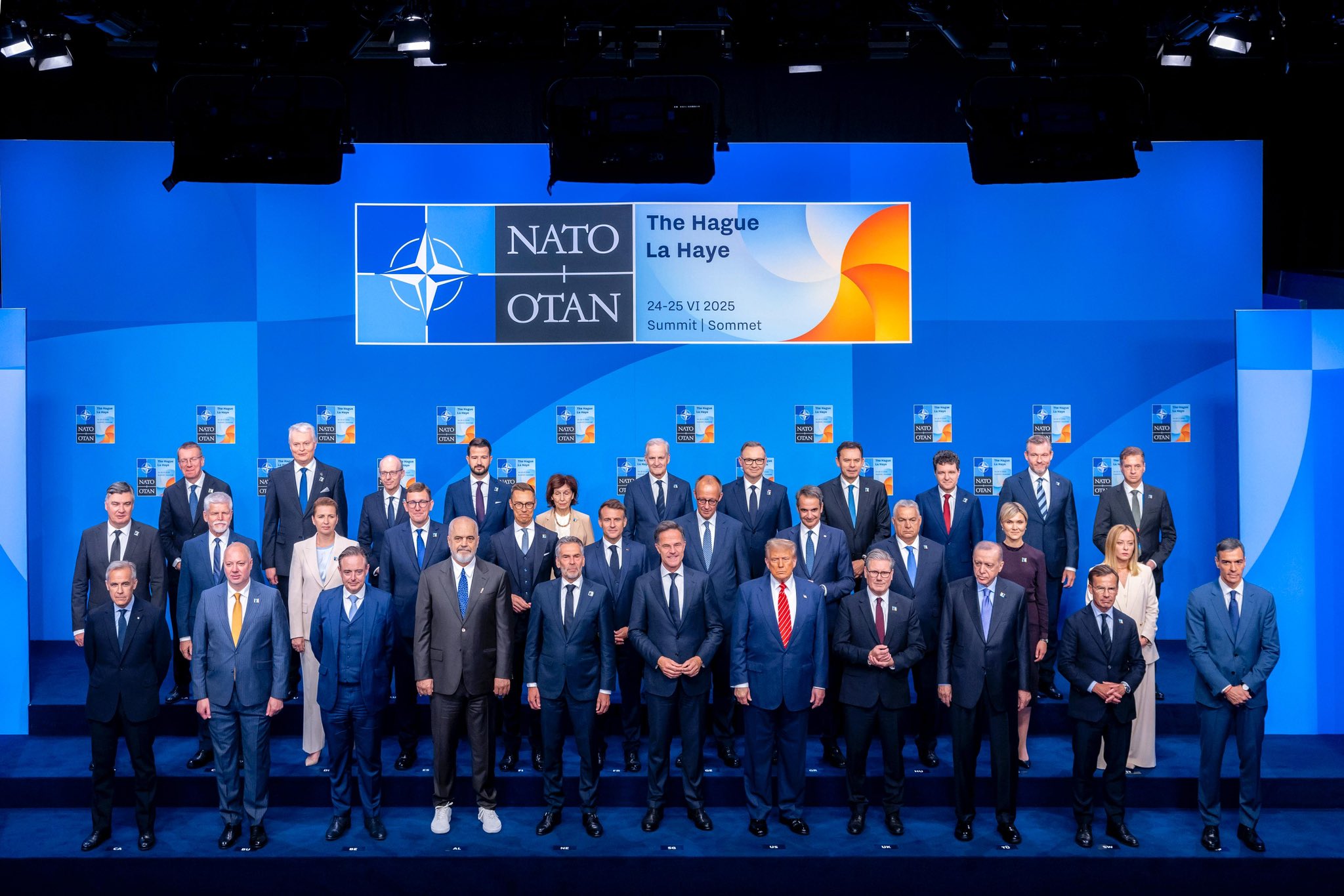
NATO, or the North Atlantic Treaty Organization, is an international military alliance established on April 4, 1949. Its main purpose is to protect the security of its member countries through the principle of collective defense. This principle is enshrined in Article 5 of the Washington Treaty, which forms the foundation of NATO’s establishment. According to this article, an armed attack against any member country is considered an attack against all members, granting the right to collective defense.
NATO is not only a military alliance but also a platform that promotes political stability and democratic values. Cooperation, solidarity, and strategic planning among members are essential. Originally founded to counter the Soviet threat during the Cold War, NATO now actively addresses modern challenges such as terrorism, cyber attacks, and crisis management.
In the 21st century, NATO continues to be seen as a guarantor of peace and security. Alongside military strength, it uses diplomacy, compromise, and cooperation as tools to maintain stability among its members.
What Does NATO Do? What Are Its Duties?
NATO’s primary duty is to ensure collective defense among its members. Any armed attack against one member is considered an attack against all, and a joint response is aimed for. This duty is clarified in Article 5 of the Washington Treaty. However, NATO’s activities are not limited to military interventions.
NATO plays an active role in preventing international crises, organizing peacekeeping operations, providing humanitarian aid during natural disasters, preventing cyber security threats, and defense planning. It also strengthens collective defense through military training, joint exercises, and information sharing among its members.
In recent years, NATO’s responsibilities have expanded to include counter-terrorism, energy security, and cyber defense. Additionally, NATO promotes political dialogue among members and strives to protect democratic values.
In summary, NATO is a multifaceted organization that supports international peace and stability beyond security and defense.
Which Country Founded NATO?
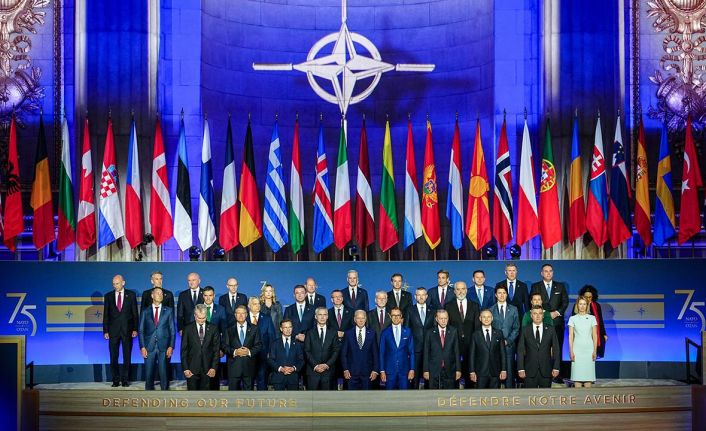
NATO was founded as a multinational initiative. It was not established by a single country but by the joint will of 12 countries. The organization was officially founded with the signing of the North Atlantic Treaty in Washington, D.C., on April 4, 1949. The founding countries were the United States, Canada, the United Kingdom, France, Belgium, the Netherlands, Luxembourg, Norway, Denmark, Portugal, Italy, and Iceland.
The driving force behind its establishment was primarily the United States. After World War II, Western countries, aiming to create a balance against the expansionist policies of the Soviet Union, formed NATO as a military and political alliance. The U.S., with its military capacity and financial support, has been the locomotive of the alliance.
Therefore, NATO’s foundation is the product of a collective security understanding. While shaped under U.S. leadership, NATO operates as a multilateral organization where decisions are made by consensus. In this respect, NATO serves as both a defense and diplomatic platform.
Who is the Head of NATO?
The term “head” of NATO typically refers to two different positions: the NATO Secretary General and the Chair of the North Atlantic Council. However, the primary leadership and management role belongs to the NATO Secretary General.
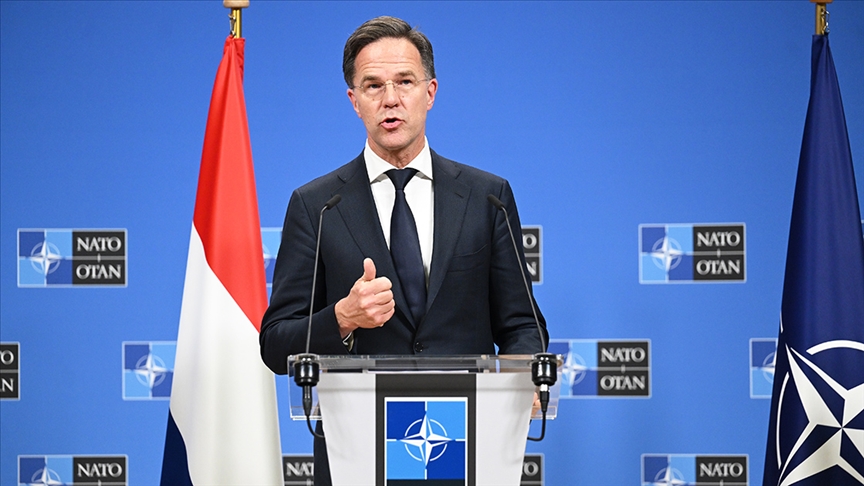
As of 2024, the NATO Secretary General is former Dutch Prime Minister Mark Rutte. He succeeded Jens Stoltenberg in this role. The Secretary General is NATO’s highest-ranking civilian official and oversees the alliance’s political leadership. They guide decision-making processes, chair summits, and communicate NATO policies to the public.
The Secretary General is elected by consensus among NATO member countries and usually serves a four-year term. The role requires political, rather than military, experience, as it mainly involves diplomatic communication and administration.
Additionally, NATO’s military affairs are managed by the NATO Military Committee and its commanders, ensuring leadership at both political and military levels.
Which Countries Are Members of NATO?
As of 2025, NATO has 32 member countries. These countries are located in Europe and North America and have united based on common security interests. The original 12 founding members have been joined by others over time. Among the most recent additions are Sweden in 2023 and Ukraine in 2024 (Ukraine’s full membership process is still underway).
Some NATO members include:
The United States, United Kingdom, France, Germany, Turkey, Italy, Canada, Poland, Norway, Greece, Spain, the Netherlands, Belgium, Czech Republic, Hungary, Romania, Bulgaria, Croatia, Montenegro, Estonia, Latvia, Lithuania, Slovakia, Slovenia, Albania, North Macedonia, and most recently Sweden.
The NATO membership process depends on the candidate country meeting military and political criteria. Membership requires not only geographical considerations but also adherence to democracy, human rights, and rule of law principles.
Membership provides not only defense strength but also political stability and international credibility.
What is Required to Become a NATO Member?
For a country to become a NATO member, it must first meet certain fundamental political and military criteria. NATO is not just a defense alliance but also an organization that promotes democratic values. Therefore, candidate countries are expected to have democratic governance, respect human rights, and uphold the rule of law.
The membership process generally involves the following steps:
- Application: The candidate country officially notifies NATO of its desire to join.
- Political and Military Evaluation: NATO members assess the candidate’s democratic structure, defense system, and compatibility with NATO.
- Adaptation Process: Reforms may be requested to align with military standards.
- Negotiations: Accession protocols are prepared and signed.
- Approval by Member Countries: Existing NATO members approve the candidate’s membership in their national parliaments.
- Official Membership: Once all approvals are completed, the candidate officially becomes a NATO member.
This process can take months or even years. NATO membership is significant not only for military security but also for international legitimacy and prestige.
