

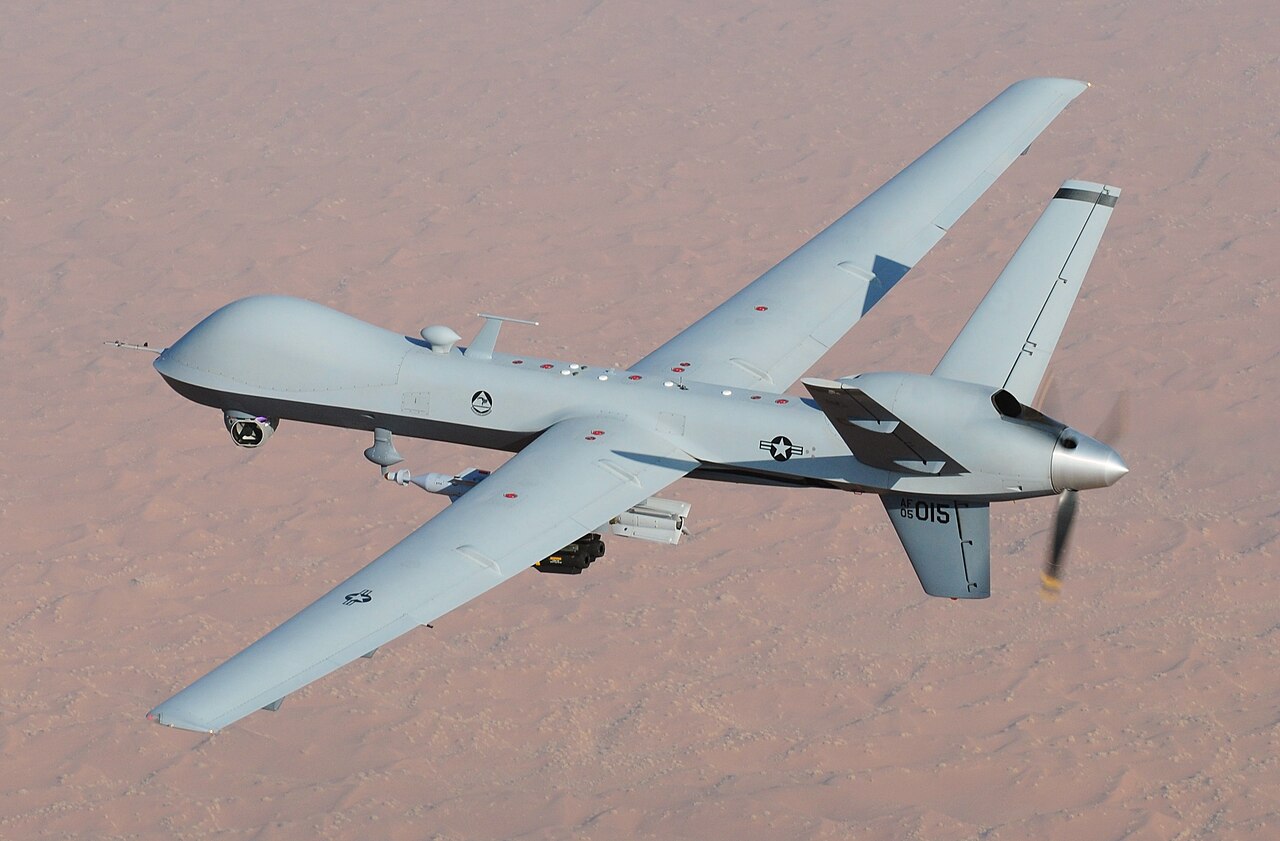
Autonomous aerial vehicles (AAVs) are systems capable of flying entirely based on their own algorithms, without any human intervention. These aircraft are typically equipped with AI-supported software and sensor systems, enabling them to carry out missions without the need for a pilot or remote control. Today, this concept is not limited to unmanned aerial vehicles (UAVs); advanced systems that carry passengers, such as air taxis, are also increasingly included in this category. The global autonomous aircraft market, valued at approximately $11.7 billion in 2024, is expected to surpass $48 billion by 2033.
Historical Development
The roots of autonomous aviation date back to the 19th century. In 1849, the first unmanned combat attempt using balloons marked one of the earliest examples. In the 20th century, radio-controlled drones were developed primarily for military target training. During this period, A.M. Low’s prototype named “Aerial Target” became known as the first motorized unmanned aircraft.
Throughout the century, core technologies such as autopilot systems, navigation solutions, and cruise missile integrations laid the foundation for autonomous flight. However, full autonomy became feasible especially with advances in artificial intelligence and machine learning. For instance, in 2024, under DARPA’s ACE (Air Combat Evolution) program, the AI-supported X-62A VISTA participated in a real dogfight against a human-piloted F-16 for the first time.
Passenger Transport and Air Taxis
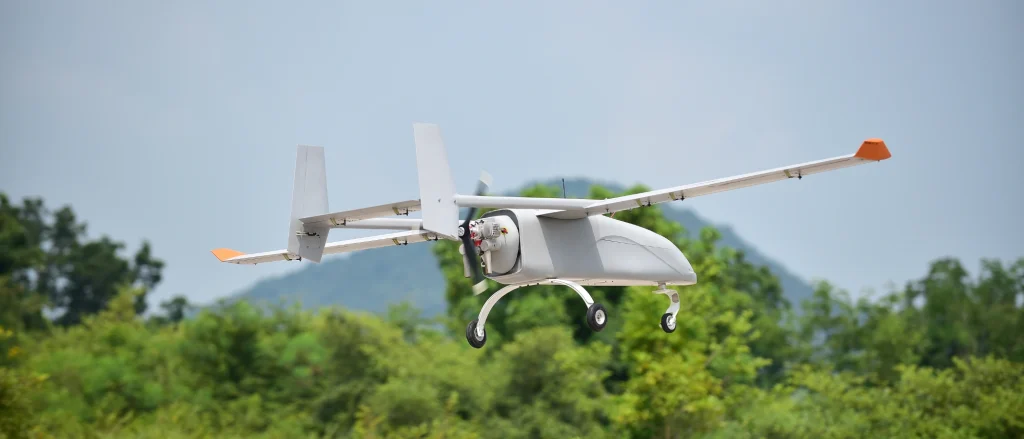
Autonomous aerial vehicles developed for passenger transport aim to revolutionize urban mobility by reducing the need for traditional pilots. Companies like Joby Aviation are advancing through the FAA certification process, while major brands like Toyota are investing billions in this field. Joby plans to launch its commercial air taxi service in 2025.
Market Dynamics and Economy
In commercial applications, cargo transport has become a segment where autonomous systems are heavily utilized, holding over 60% of market share. North America leads this market due to its defense spending, while Asia-Pacific countries are rapidly emerging with high growth potential.
Control Systems and Artificial Intelligence
Modern autonomous aircraft operate with advanced processors and AI-supported flight management systems. These systems analyze data from multiple sensors and make real-time decisions. For example:
- Sensor Fusion: Combining data from LiDAR, radar, cameras, and IMUs (inertial measurement units) provides situational awareness.
- Actuators: Speed controllers, servomotors, and payload systems execute autonomous functions.
- Flight Software (Flight Stack): Open-source systems like PX4 and ArduPilot enable real-time control and mission planning.
Control Loops and Autonomy Levels
Autonomous systems typically use open-loop (no feedback), closed-loop (with feedback), or hybrid control architectures. Modern platforms adapt to flight conditions in real time using AI algorithms. PID controllers and mission planning algorithms form the foundation of autonomous flight performance.
Communication and Data Transfer
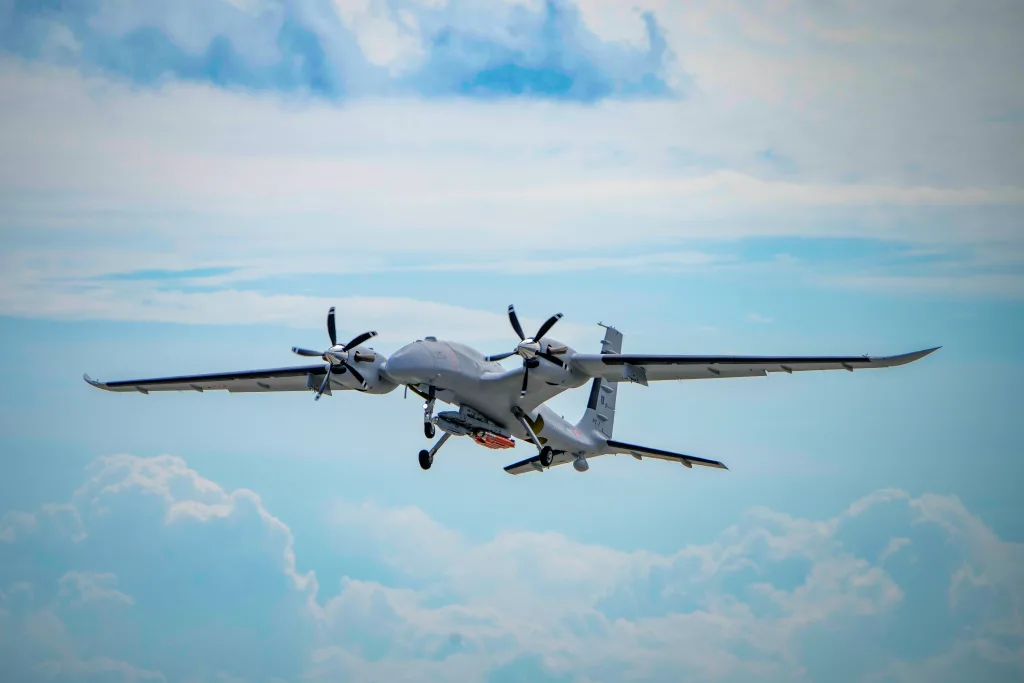
Early UAVs operated on narrow-band radio frequencies. Today, wide-band connections offer low-latency control, video streaming, and mission uploads via the internet. 5G networks provide ultra-low latency (1 ms), enabling real-time autonomous operations. Additionally, drones can now be operated via LTE/4G networks.
Autonomy Capabilities
Autonomous aerial vehicles come with a range of features such as autonomous takeoff, stable altitude flight, obstacle avoidance, target tracking, and waypoint navigation. These systems typically include:
- Vision-based collision avoidance
- Real-time route optimization
- Predictive maintenance algorithms
- Swarm coordination and group control capabilities
Military Applications
The role of autonomous systems in the defense industry is expanding each year. In 2024, DARPA successfully completed the first real dogfight between an AI-piloted F-16 and a human pilot. Additionally, under the CCA (Collaborative Combat Aircraft) program, the U.S. Air Force plans to integrate over 1,000 autonomous combat aircraft into its fleet.
Urban Air Mobility and Commercial Developments
eVTOL (electric vertical takeoff and landing) aircraft, developed for urban flights, are expected to make air taxi services more widespread in the coming years. Aerospace giants like Airbus and Boeing are also conducting intensive tests on autonomous takeoff, landing, and taxiing systems.
Technological Challenges and Future Outlook
Despite significant progress, several challenges still need to be addressed:
- Cybersecurity risks
- Divergence in international regulatory standards
- System reliability in adverse weather conditions
- Public trust in autonomous flight systems
Nevertheless, the industry continues to grow rapidly. By 2025, the first commercial autonomous air taxis are expected to take to the skies, while military operations will increasingly include autonomous combat teams.
Autonomous aerial vehicles are one of the most transformative technologies shaping the future of aviation. Thanks to advancements in artificial intelligence, sensor technologies, and communication networks, these systems are redefining not only the skies but also transportation, logistics, defense, and urban life. As we enter the 2030s, their presence in our daily lives is set to become increasingly visible and impactful.
