

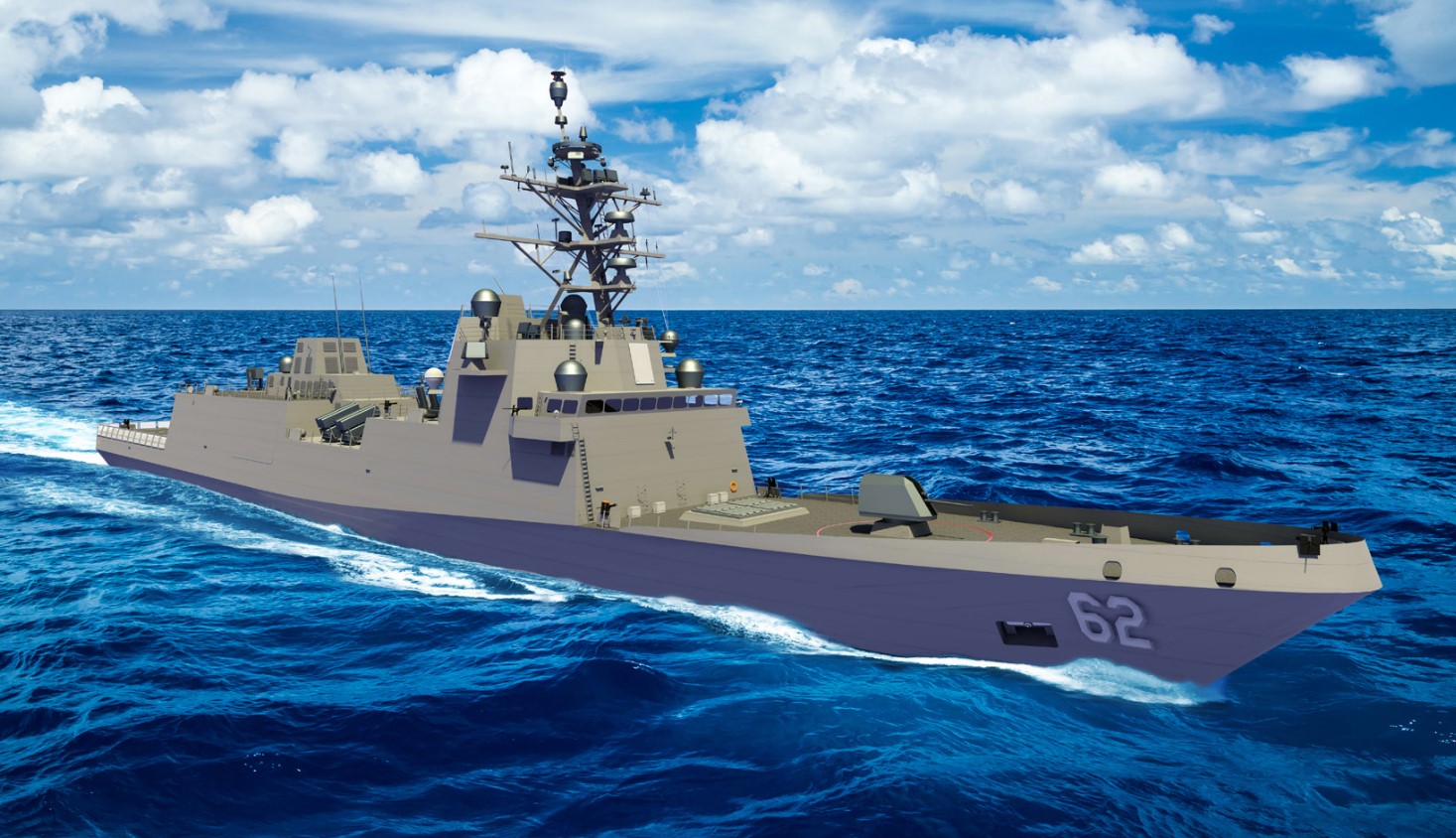
The U.S. Navy’s ambitious next-generation destroyer initiative, DDG(X), has taken a major step forward as Fairbanks Morse Defense (FMD) begins testing the FM 175D diesel generator at the Naval Surface Warfare Center in Philadelphia. This advanced engine, set to power the Navy’s future fleet of guided-missile destroyers, will be a core component of the Integrated Power System (IPS) that supports high-demand combat technologies such as directed-energy weapons and hypersonic missiles.
The FM 175D stands out as one of the most compact yet powerful marine diesel engines in its class, offering between 1,740 and 4,400 kilowatts of output based on configuration. Its flexible design allows use either as a propulsion system or an onboard power generator. With features such as common-rail fuel injection, integrated control systems, and extended service intervals, the engine is engineered to deliver efficiency, reliability, and operational endurance—key attributes for a vessel expected to dominate future naval battlefields.
This land-based testing phase is not just about verifying power output—it simulates real-world operations, evaluating thermal efficiency, response to variable loads, and integration with shipwide power distribution. These tests help minimize risk before full-scale shipbuilding begins, which is projected for no earlier than 2032. The Navy has committed over $120 million to create a ship-representative testing environment that mimics the electrical demands of the future destroyer.
The DDG(X) is designed as a clean-sheet successor to both the aging Ticonderoga-class cruisers and early models of the Arleigh Burke-class. Where the latter has reached its design limitations, DDG(X) is set to deliver expanded range, 25% better fuel economy, and 75 megawatts of power generation—more than enough to support future combat technologies. Modular construction and an open-systems architecture will ensure adaptability for new radars, weapons, and electronic warfare suites in the decades ahead.
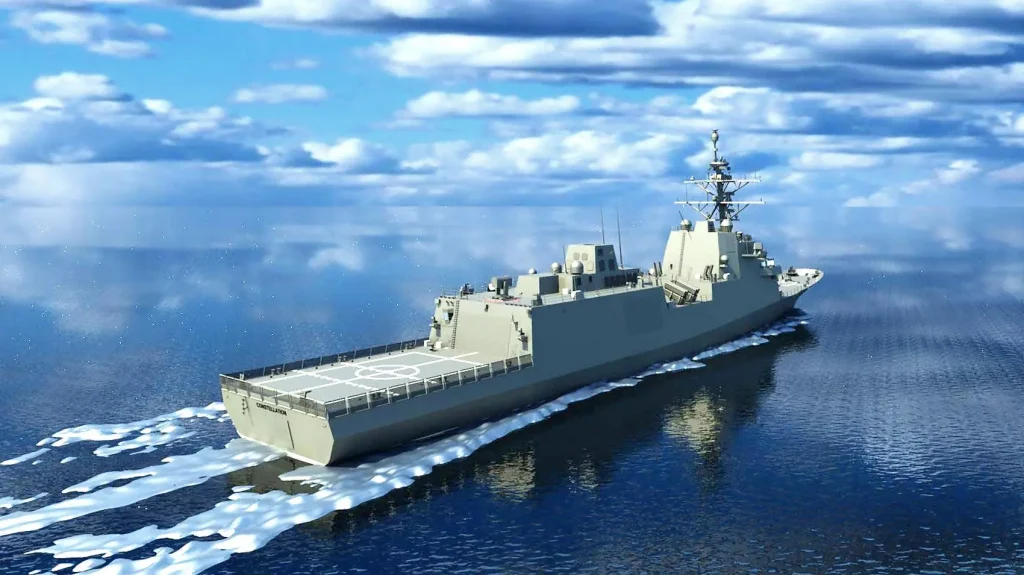
Recent DDG(X) design updates reflect the Navy’s shift toward modularity and power scalability. Concepts revealed in 2024 showcased a redesigned VLS layout, new radar radomes, upgraded exhaust systems, and a hull prepared for stealth and survivability. Traditional components like the Mk 45 naval gun have been omitted to make room for more advanced weaponry, including the G-VLS vertical launch system for hypersonic missiles.
At roughly 13,500 tons displacement—40% heavier than current destroyers—DDG(X) will be equipped with 96 vertical launch cells, advanced radar arrays, two RAM launchers, and potentially high-powered directed-energy weapons. A Destroyer Payload Module (DPM) is also planned, allowing future integration of additional armaments or systems.
With testing of the FM 175D underway, the Navy is laying the technological foundation for a warship designed to dominate in contested seas well into the 2060s. Once complete, DDG(X) will form the backbone of U.S. surface combatants, enabling distributed maritime operations and strengthening deterrence in a rapidly evolving global threat landscape.
