

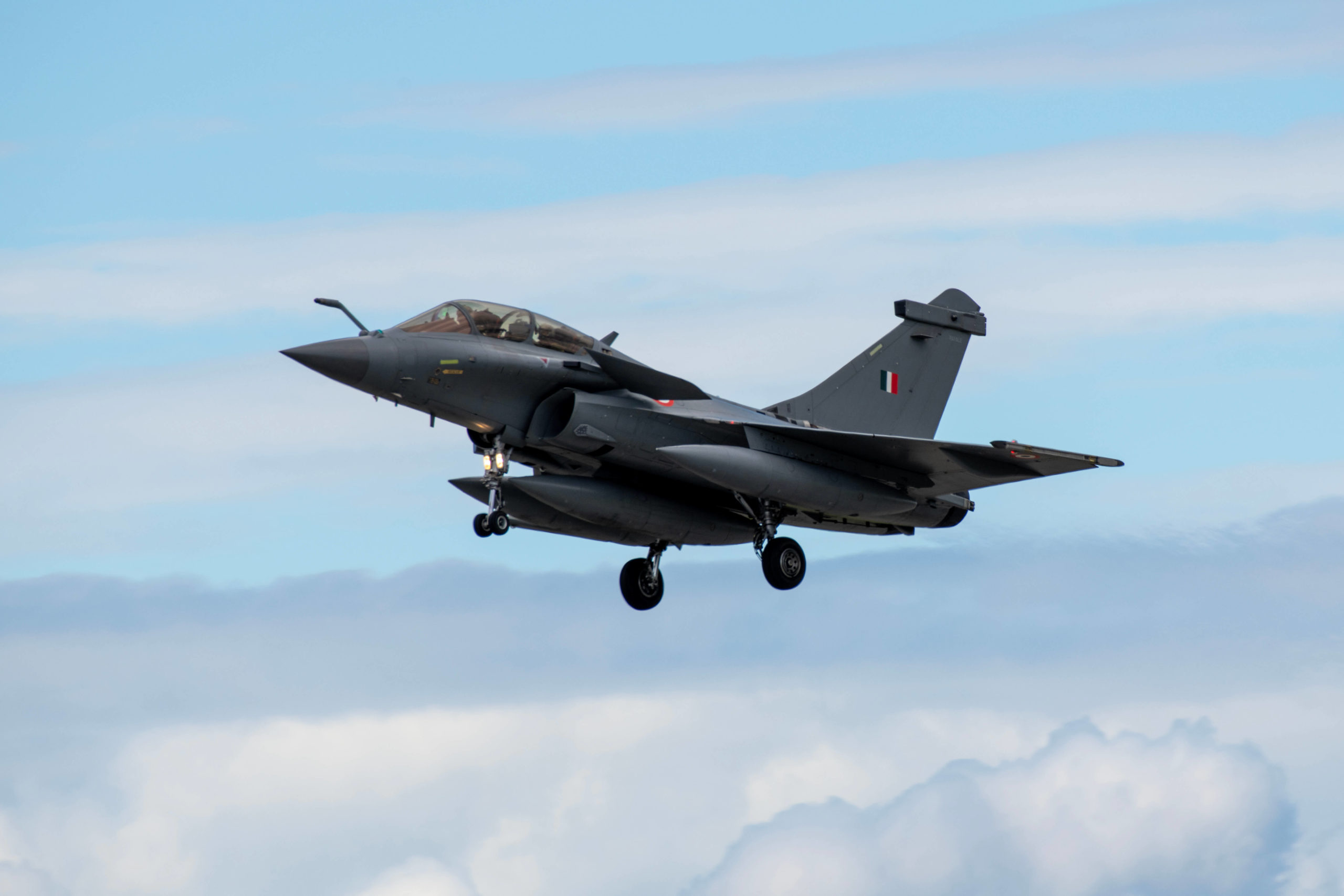
By October 2025, the Indian Air Force (IAF) is expected to reduce its active fighter squadrons to 29 — bringing it dangerously close to Pakistan Air Force’s (PAF) current strength of 25 squadrons. In stark contrast, China maintains a formidable 66 squadrons, underscoring India’s growing airpower gap in a potential two-front conflict.
Each squadron typically houses 18 to 20 aircraft, which means IAF will operate roughly 522 fighter jets — only slightly more than Pakistan’s estimated 450. Meanwhile, China’s fleet exceeds 1,200 combat aircraft.
This reduction is primarily driven by the upcoming retirement of the last two MiG-21 squadrons in September 2025, after more than 60 years of service. The IAF’s squadron strength has already dropped well below the sanctioned 42 and now stands at a historical low.
Worryingly, additional cuts are expected as older aircraft like the Jaguar, MiG-29, and Mirage-2000 are scheduled for retirement within the next decade. Without timely replacements, the fleet could shrink further to 25 squadrons by 2035 — matching Pakistan’s numbers.
The cancellation of the 126-jet Medium Multi-Role Combat Aircraft (MMRCA) program in 2015 dealt a major blow to the IAF’s long-term expansion goals. Although India later acquired 36 Rafale jets and ordered 26 more for the Navy, the shortfall in fleet numbers remains a critical issue.
Plans to acquire 114 Multi-Role Fighter Aircraft (MRFA) have stalled, with no substantial progress to date. India’s indigenous fighter project, HAL TEJAS, has seen limited operational success, with only about two squadrons of MK-1 currently active. MK-1A and MK-2 upgrades have faced delays due to production bottlenecks, engine imports, and avionics and weapons integration challenges.
The failure of the Kaveri engine project has further exposed the complexity of domestic jet engine development. Key technologies like ceramic-coated turbine blades remain elusive.
The IAF hopes to rebuild its strength to 42 squadrons by 2035 through indigenous production, international collaboration, and the introduction of fifth-generation platforms like the Advanced Medium Combat Aircraft (AMCA). However, most of these efforts are in early development stages and are unlikely to bear fruit in the near term.
Some experts argue that drones and unmanned systems could help offset the fighter shortfall — drawing lessons from Ukraine’s drone operations. Still, manned fighter jets are irreplaceable for deep strike and air superiority missions, making the looming parity with Pakistan a serious concern.
Unless India accelerates both indigenous development and foreign acquisitions, the IAF faces a steadily declining combat edge — potentially compromising national security and regional deterrence in the years ahead.
