

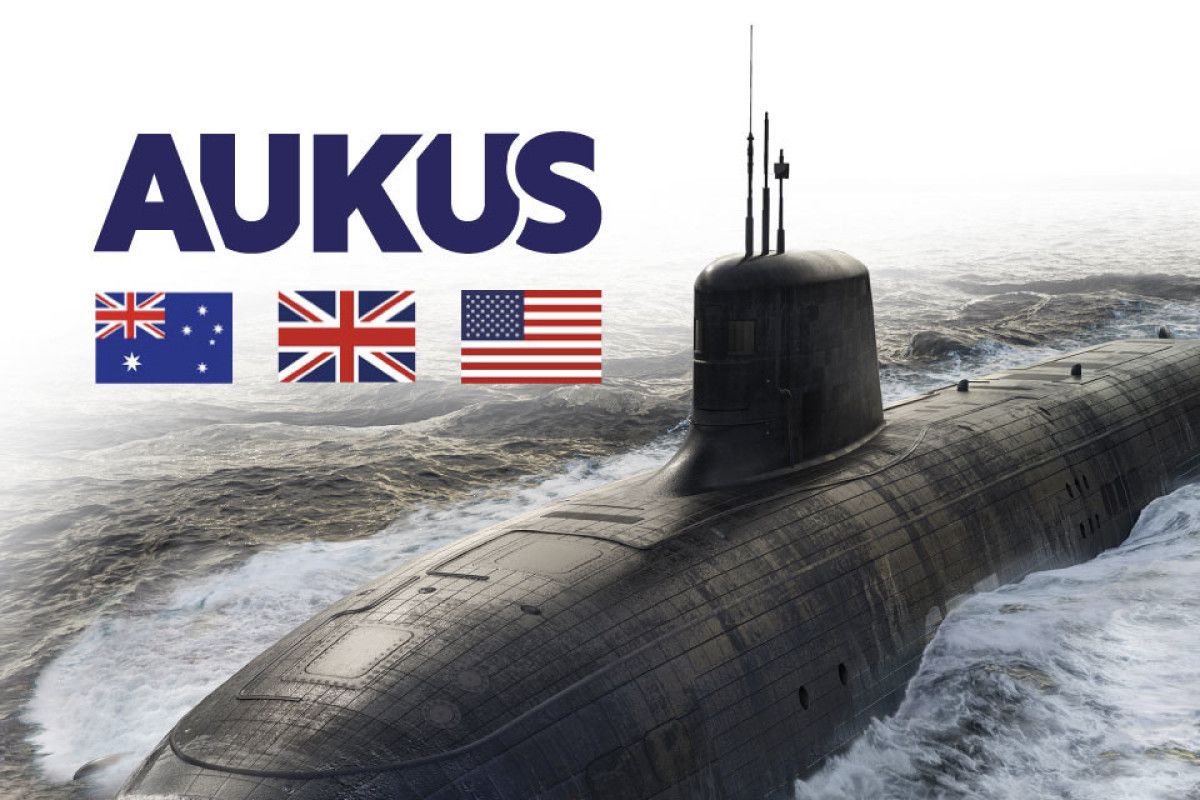
On July 26, 2025, in Geelong, Victoria, the governments of Australia and the United Kingdom signed the historic “Geelong Treaty”, a 50-year agreement covering the construction, operation, and long-term sustainment of the next-generation SSN-AUKUS class nuclear-powered attack submarines under the AUKUS alliance. Signed amid growing uncertainty about the U.S.’s continued role in the partnership, the treaty represents a critical shift by securing bilateral submarine production within AUKUS.
Under the treaty, the Royal Navy has committed to acquiring up to 12 SSN-AUKUS submarines to replace its existing Astute-class fleet. The UK aims to build one submarine every 18 months, with deliveries beginning in the late 2030s and continuing through the mid-2040s. Similarly, the Royal Australian Navy will construct at least five SSN-AUKUS submarines at the Osborne Naval Shipyard in South Australia, with the potential to increase the number to eight. The first Australian-built SSN-AUKUS submarine is expected to enter service in the early 2040s—marking a major milestone in Australia’s sovereign nuclear submarine capabilities.
To bridge the capability gap until domestic production begins, Australia will acquire three U.S.-built Virginia-class submarines starting in the early 2030s. This interim fleet will allow Australia to gain operational experience in nuclear submarine operations. Australian personnel are already embedded with U.S. and UK navies, participating in maintenance and training to gain hands-on experience with nuclear systems.
The SSN-AUKUS class will be the most advanced nuclear-powered attack submarine platform ever developed by allied nations. Based on the UK’s SSNR (Submersible Ship Nuclear Replacement) design, the submarine will incorporate U.S.-developed propulsion systems and vertical launch capabilities for Tomahawk cruise missiles, advanced sonar, cyber-resilient command systems, and AI-assisted combat management tools. These new submarines are designed for multiple mission roles, including anti-submarine warfare, long-range strike, and intelligence gathering, aiming to maintain undersea superiority into the 2080s.
The treaty also has major implications for the defense industries of AUKUS members. Australia will invest $4.6 billion in the UK defense industrial base to support reactor design, parts manufacturing, and workforce development. Australia has also contributed $1.6 billion to the U.S. submarine industry, with that figure expected to reach $2 billion by the end of 2025, in efforts to boost Virginia-class production capacity.
In the UK, BAE Systems and Babcock have begun long-lead procurement for SSN-AUKUS components at Barrow-in-Furness, the primary construction site. The UK Ministry of Defence estimates that the SSN-AUKUS program could generate over £20 billion in export revenue over the next 25 years. Components produced in Australia will be integrated into UK submarines, while UK-built systems will be used in Australian subs—creating a bilateral, interoperable production ecosystem.
The treaty includes detailed regulatory provisions on nuclear oversight, waste management, and compliance with international non-proliferation standards. Australia will manage spent nuclear fuel domestically, and both countries have committed to transparent governance mechanisms. The treaty also includes an exit clause, allowing either party to withdraw with one year’s notice as a safeguard against future political shifts.
One of the most strategic elements of the Geelong Treaty is its timing. It was signed as the U.S. administration conducts a formal review of AUKUS, with President Trump’s revived “America First” policy casting doubt on Washington’s long-term commitment. There are also concerns within the Pentagon that supporting Australia’s needs might delay delivery schedules for the U.S. Navy’s own Virginia-class submarines, prompting a reevaluation of timelines and production strategies.
Despite these uncertainties, the UK and Australia have now secured a self-sufficient, long-term nuclear submarine production model. This marks a new phase in allied defense strategy where regional partners assume greater autonomy while maintaining interoperability with U.S. systems. The SSN-AUKUS program demonstrates how advanced submarine capabilities can be built and sustained through multinational industrial cooperation, technology transfer, and regulatory alignment.
With up to 20 SSN-AUKUS submarines planned between both navies, alongside interim U.S. Virginia-class platforms and deep trilateral industrial coordination, the Geelong Treaty has become a foundational document shaping the future of undersea warfare among Indo-Pacific allies.
