


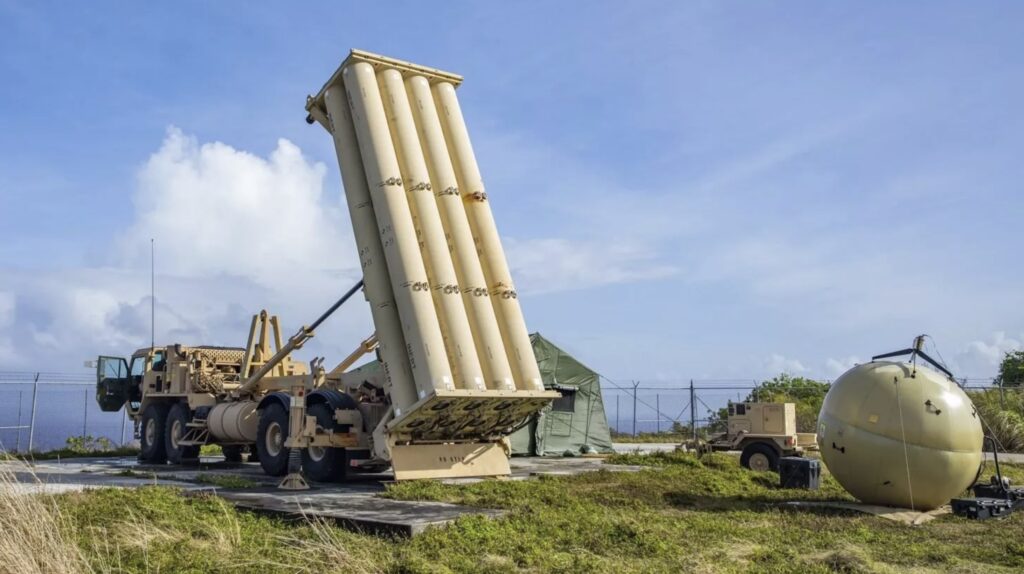
According to U.S. officials speaking to CNN, the United States consumed approximately 25% of its Terminal High Altitude Area Defense (THAAD) missile stockpile during the 12-day conflict between Israel and Iran. Two out of the seven operational THAAD systems were deployed to Israel throughout the clashes.
It is estimated that between 100 and 150 THAAD interceptors were launched during the fighting — a figure that far exceeds current production rates. Experts warn that this level of usage significantly strains the U.S. missile manufacturing capacity.
Missile Stockpile at Critical Levels
Defense analysts and retired senior military officials have raised alarms over the U.S. missile defense capacity. One retired top officer stated, “The U.S. used about a quarter of its THAAD stockpile in this conflict.” Four former senior Pentagon officials also emphasized the dangerously low levels of THAAD missiles, which are considered vital for deterrence, especially against China.
The FY2025 defense budget included production of only 11 new THAAD interceptors. However, the FY2026 proposal aims to acquire 37 additional systems. To support this effort, the proposed budget allocates $1.3 billion to strengthen the defense industrial base and an additional $2.5 billion to increase missile and ammunition production.
THAAD’s Role in Intercepting Iranian Missiles
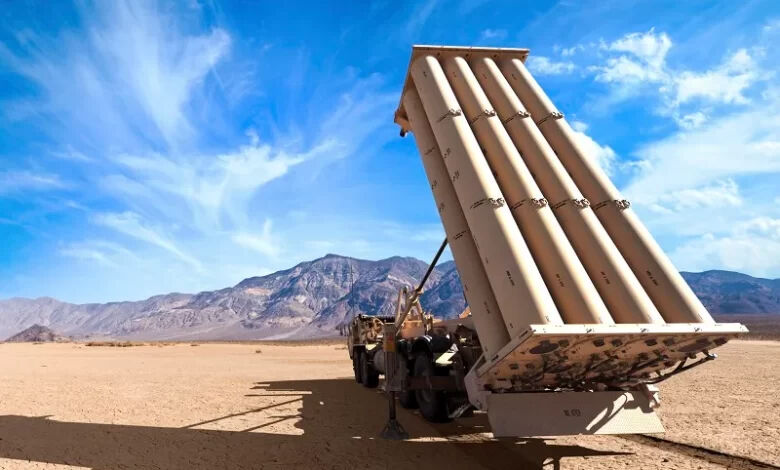
An analysis by the Jewish Institute for National Security of America (JINSA) reported that U.S. THAAD systems successfully intercepted approximately 201 Iranian missiles during the conflict. However, the same report warns that, at the current pace of production, it could take between 3 and 8 years for the U.S. to fully replenish its THAAD stockpile to pre-conflict levels.
