

Japan is set to make an unprecedented investment in unmanned aerial systems, with plans to earmark over 1 trillion yen (approximately $6.3 billion) in the upcoming fiscal year for the acquisition of drones for the Self-Defense Forces (SDF). Government sources confirmed on August 12, 2025, that the move is aimed at rapidly boosting the offensive strike and reconnaissance capabilities of the Ground, Maritime, and Air Self-Defense branches. Among the options being evaluated are Turkish-made combat drones, which have demonstrated battlefield effectiveness in the ongoing Ukraine–Russia conflict.
While Tokyo’s long-term ambition is to cultivate a self-reliant drone industry, the immediate focus is on speed—deploying proven platforms in quantity to meet urgent operational demands. A senior defense official summarized the approach as “prioritizing numerical strength over pure technological sophistication.”
To that end, the Ministry of Defense established a dedicated task force in April 2025 to study the integration of unmanned systems into future military operations. This follows Japan’s 2022 force development plan, which identified drones as a key means of minimizing human casualties in combat. The war in Ukraine has further underscored the operational value of these systems, prompting Japan to accelerate its adoption timeline.
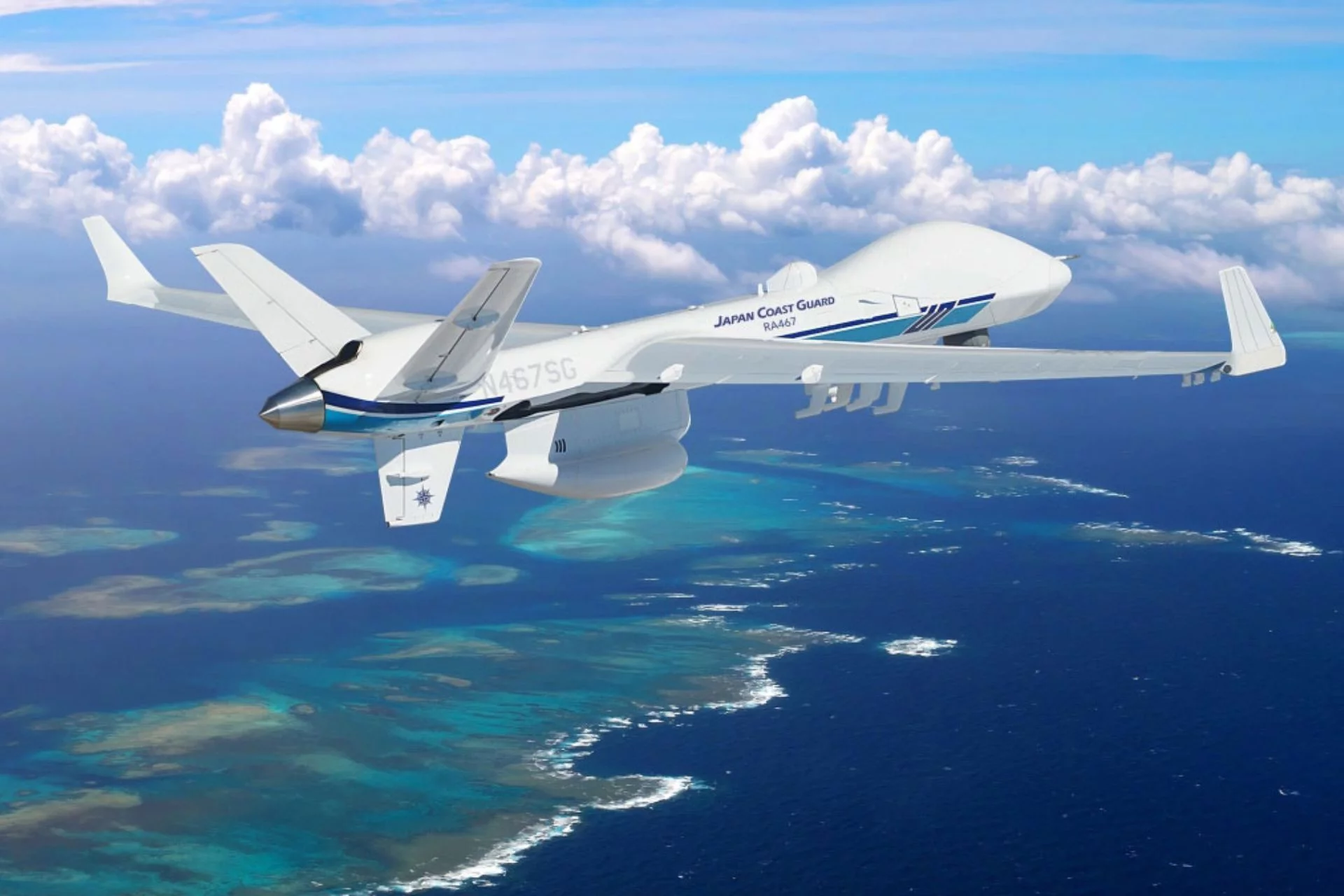
Procurement plans span multiple categories. For tactical strike missions, the SDF is considering large-scale purchases of low-cost “kamikaze” loitering munitions—particularly the Turkish KARGU—as well as competing Israeli, Australian, and Spanish designs. For persistent surveillance and maritime patrol, Tokyo intends to expand its fleet of U.S.-built MQ-9B SeaGuardian drones, which are already operational with the Maritime Self-Defense Force. In the medium term, Mitsubishi Heavy Industries, in partnership with the Acquisition, Technology and Logistics Agency, is developing AI-enabled combat support drones, with initial trials planned for late 2025.
Japan’s current budget already reflects a shift in priorities. The 2025 fiscal year allocated 41.5 billion yen ($261 million) for MQ-9B procurement and 3.2 billion yen ($20 million) for smaller armed drones to reinforce defenses across the southwestern island chain—a region of growing strategic importance amid regional maritime tensions.
The decision to buy large numbers of foreign-made drones is a calculated compromise between immediate readiness and long-term autonomy. While domestic production offers strategic self-sufficiency, developing advanced systems indigenously would take years—time Tokyo does not have given the current security environment. Partnering with trusted suppliers such as Turkey and the United States allows Japan to close capability gaps rapidly while laying the groundwork for future homegrown platforms.
By combining high-end reconnaissance assets with swarms of expendable strike drones, the SDF aims to maximize coverage of its vast air and sea approaches while reducing risks to human crews. The multi-tiered approach is intended to enhance Japan’s responsiveness, adaptability, and resilience in the face of mounting security challenges in the East China Sea.
Tokyo’s planned trillion-yen investment in unmanned systems from 2026 marks a significant doctrinal pivot—one that blends foreign procurement with domestic innovation to build an integrated, combat-ready drone force capable of protecting Japan’s most vulnerable frontiers in the decades ahead.
