

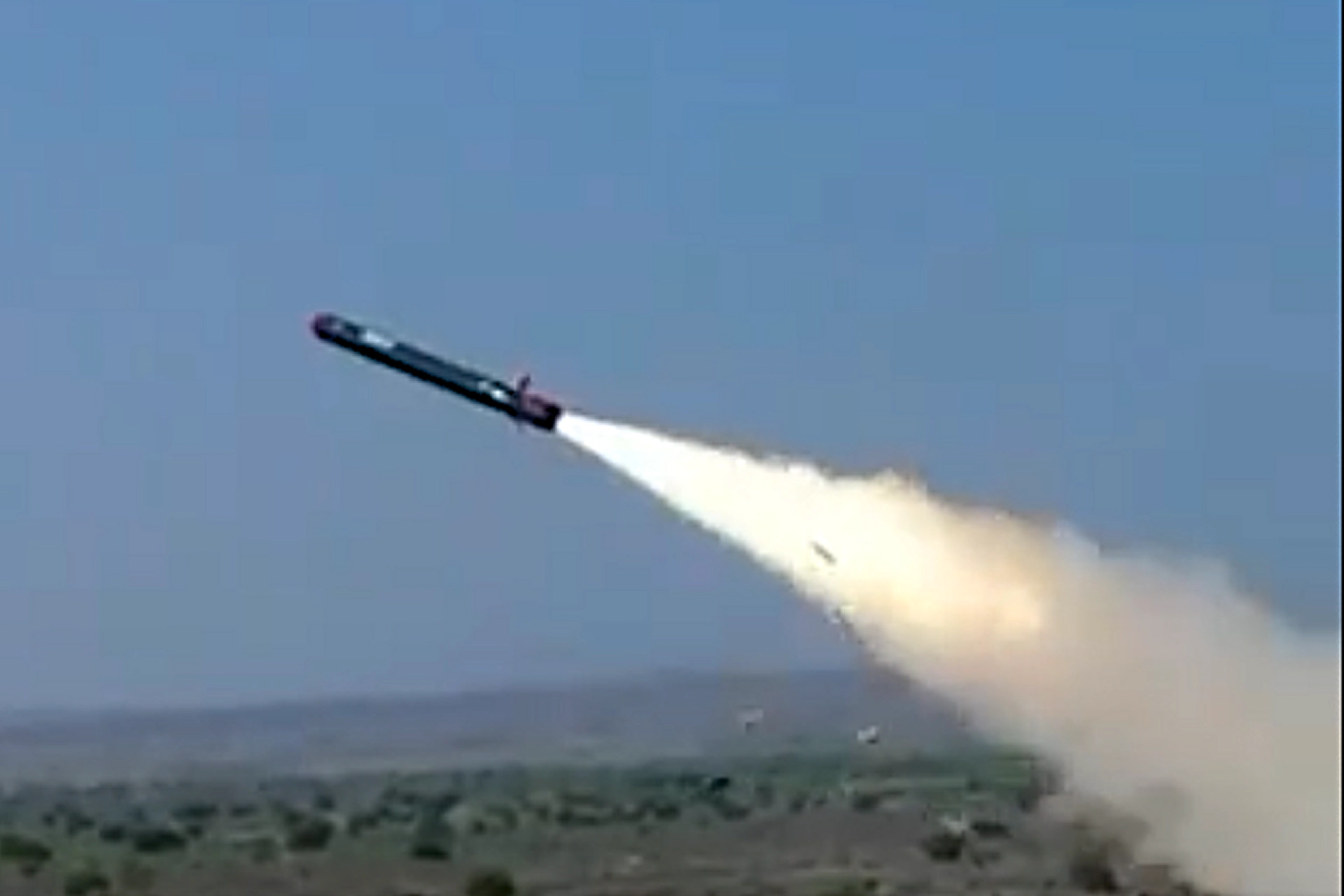
Pakistan conducted a training launch of its domestically developed Fatah‑4 ground‑launched cruise missile on 30 September, a test publicly described as successful by state media and witnessed by senior military and scientific officials. Authorities framed the event as a step toward expanding conventional strike options for land forces.
The Fatah‑4 is reported to weigh roughly 1,530 kg and measure about 7.5 m, with a stated maximum range near 750 km and a blast‑fragmentation warhead of approximately 330 kg. Claimed performance features include subsonic cruise at around Mach 0.7, terrain‑hugging flight near 50 m above ground, and a reported circular error probable (CEP) on the order of five metres, enabled by GPS/INS navigation combined with image‑scene matching and a dual‑mode seeker (EO/IR plus radar). Public reports also cite electronic counter‑countermeasures and AI modules for target recognition, mobility via TEL vehicles, and solid‑propellant propulsion for rapid readiness.
Operationally, Fatah‑4 fills a niche between tactical rockets and strategic systems, complementing Pakistan’s Babur family by offering army‑controlled, precision long‑range strike options. If performance claims hold under independent testing, the missile would complicate regional defence planning by increasing survivable, mobile, low‑altitude threats that can strike rear‑area infrastructure and command nodes without immediate recourse to air or strategic assets. Caution is warranted, however: the ultimate strategic effect depends on deployment scale, integration into joint‑fires networks, and subsequent empirical evidence from further tests and fielding.
