

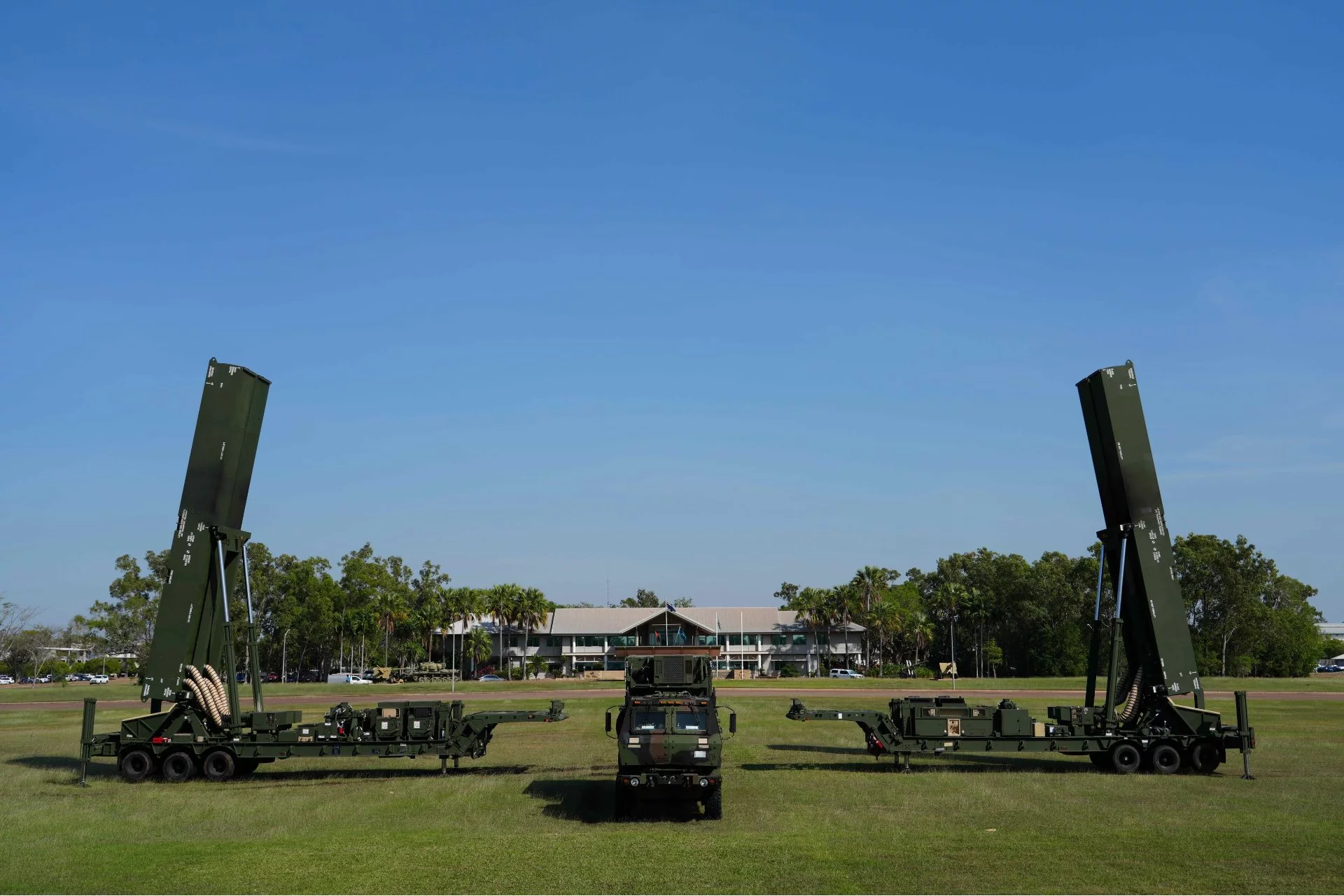
The U.S. Army’s first Dark Eagle hypersonic unit at Joint Base Lewis-McChord is set to receive the remaining Long-Range Hypersonic Weapon (LRHW) missiles by the end of December, completing Battery One’s initial load. This milestone follows two successful end-to-end tests in 2024 and reflects a stabilized production line, paving the way for Battery Two and reloads in 2026.
Deliveries And Testing
According to Program Executive Officer Maj. Gen. Frank Lozano, three missiles were delivered to the unit earlier in 2025, while a fourth is completing acceptance tests at Lockheed Martin’s Cortland, Alabama facility. An additional eight rounds are scheduled for delivery by year-end, alongside a soldier-operated test, finalizing the initial arming of Battery One before moving to Battery Two and reload operations.
Dark Eagle System Overview
The Dark Eagle LRHW system adapts a hypersonic glide vehicle, jointly developed with the U.S. Navy, for land-based operations. It combines a two-stage solid-propellant booster with the Common-Hypersonic Glide Body (C-HGB) produced by Dynetics (Leidos), integrated onto Army launchers via Lockheed Martin. The system’s stated range is approximately 2,775 km, capable of striking strategic nodes deep in an adversary’s theater. The unpowered glide vehicle is released at high altitude and travels above Mach 5, complicating interception.
Battery Structure And Mobility
A Dark Eagle battery consists of four semi-trailer Transporter-Erector-Launchers (TELs), each carrying two sealed missile canisters. TELs are mounted on M870A4-type trailers, typically towed by heavy Oshkosh tractors, with a Battery Operations Center (BOC) providing command and fire control via AFATDS. This setup ensures road mobility, shoot-and-scoot survivability, and reload sustainability, key for modern land-based operations.
Employment And Targeting
Missiles accelerate via the two-stage booster, then the C-HGB glides along a maneuverable path. Guidance relies on inertial navigation, likely supported by satellite updates, and is hardened against jamming and deception. Dark Eagle is designed to strike air defense nodes, command centers, hardened launch sites, and logistics chokepoints, providing mobile, flexible, and survivable strike options.
Strategic Significance
Following initial testing in 2023 and two full successes in 2024, the battery is expected to be fully armed by year-end. Dark Eagle introduces land-based hypersonic capabilities to the U.S. military, complementing naval systems and challenging assumptions of sanctuary for distant command nodes. With China and Russia fielding similar systems, U.S. entry narrows the window of unilateral advantage, complicates adversary defenses, and strengthens deterrence and allied interoperability across the globe.
