

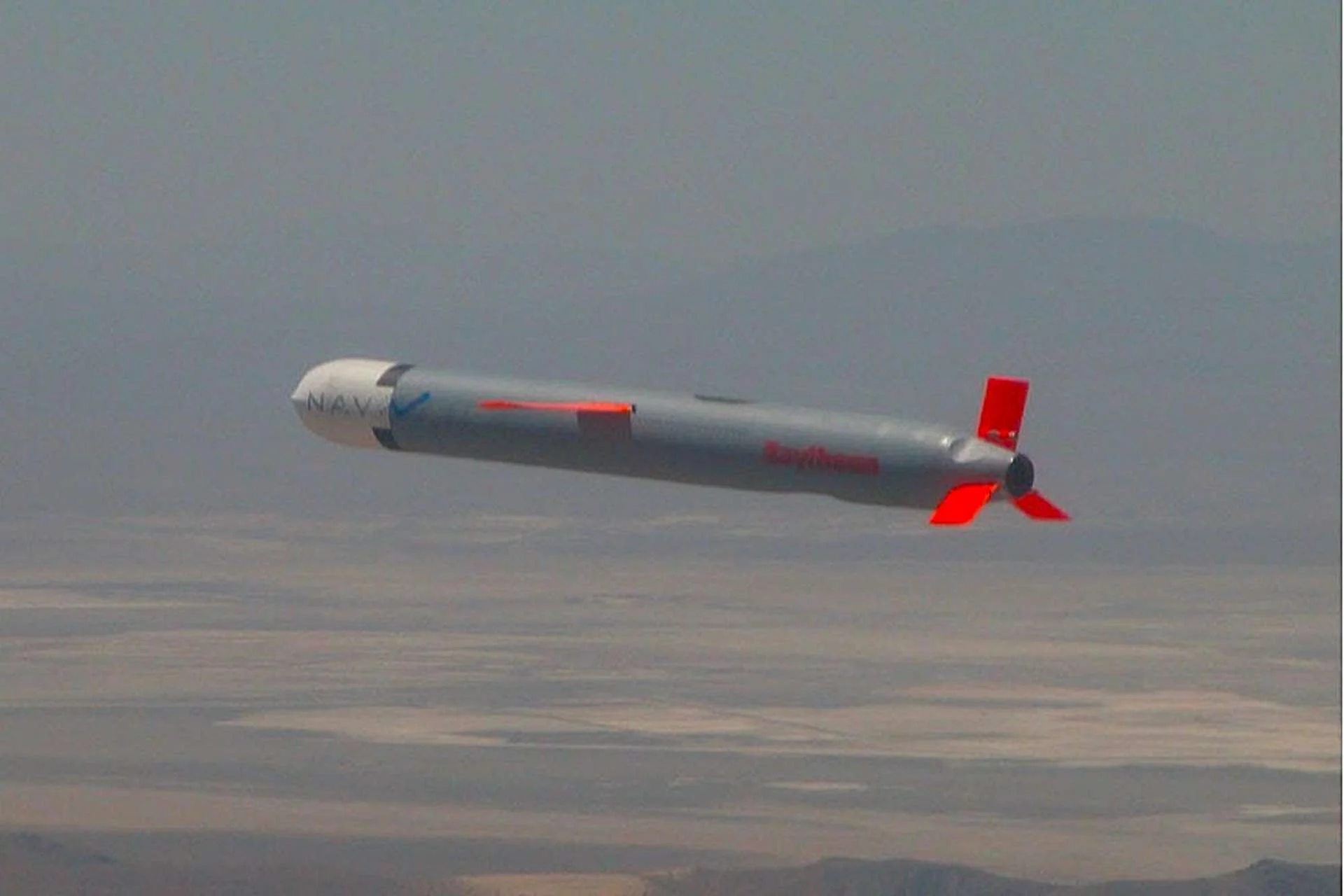
The U.S. Department of Defense (Pentagon) has completed its technical evaluation regarding the potential transfer of Tomahawk cruise missiles to Ukraine. According to reports, Pentagon experts concluded that the move would not weaken U.S. stockpiles or pose operational risks. With this assessment, the primary technical obstacle to enhancing Kyiv’s long-range strike capability has been lifted. The final decision, however, is expected to come from the White House and President Donald Trump.
Tomahawks Could Extend Ukraine’s Reach
The Tomahawk cruise missile, with a range of up to 1,000 miles (approximately 1,600 kilometers), is known for its precision-guided strike capability against land targets. Originally designed for launch from U.S. Navy ships and submarines, the missile can also be integrated into land-based platforms. Recently developed mobile launcher systems in the United States have made it technically possible for Ukraine to deploy ground-launched Tomahawks — a development that could significantly boost Kyiv’s deep-strike potential on the battlefield.
Ukraine’s Priority: Integration and Training
Experts emphasize that, if the transfer proceeds, Ukraine’s main challenge will be to integrate the missiles into its command structure and complete operational training. Effective use of Tomahawk systems requires a synchronized network of targeting, intelligence, and communication systems. Ukraine has previously managed a similar process by adapting Storm Shadow missiles to its Soviet-era aircraft. That experience suggests that Kyiv could rapidly field and operationalize the new weapon system.
Strategic Implications: Shifting the Balance in Europe
The addition of Tomahawk missiles to Ukraine’s arsenal could profoundly reshape the strategic landscape of the war. With such range, these missiles would be capable of striking Russian command centers and energy facilities deep within its territory. Moscow, viewing this as a potential “new level of escalation,” has already voiced concern. Meanwhile, European nations believe that Washington’s possible approval would strengthen the deterrence posture of the Western alliance.
In conclusion, if the United States authorizes the transfer of Tomahawk missiles to Ukraine, the decision could transform the dynamics of the conflict. More than just a military step, it would signal how far Washington is prepared to go in redefining its role within the European security architecture.
