

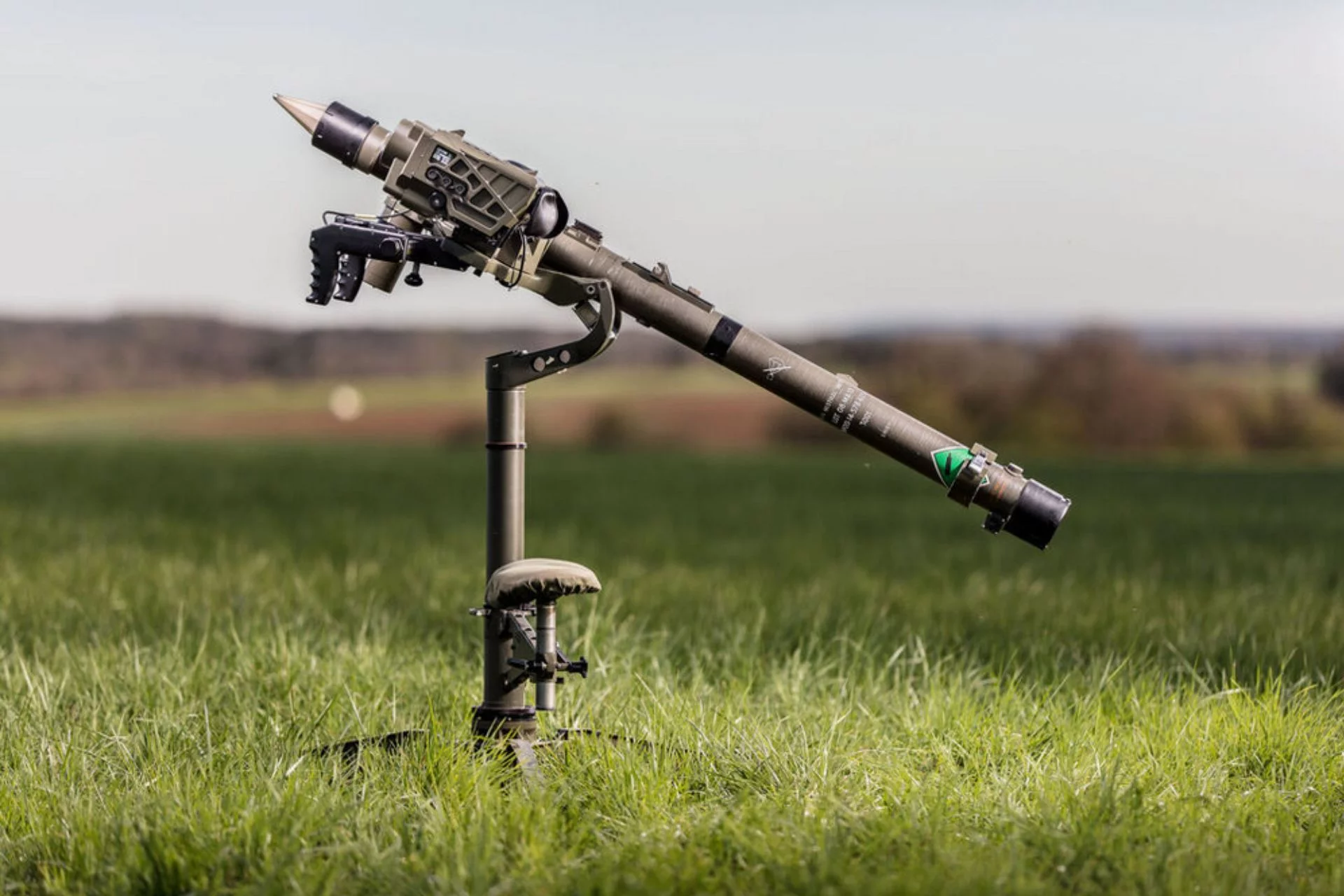
Australia is exploring domestic assembly — and potentially warhead manufacture — of MBDA’s Mistral very-short-range air-defense (VSHORAD) missile after NIOA and MBDA signed an MoU at the Indo Pacific expo in Sydney. If Canberra approves a full industrial ramp-up, Australia could become the first nation outside France to produce the Mistral, strengthening sovereign missile capacity under the Guided Weapons and Explosive Ordnance (GWEO) initiative.
NIOA and MBDA sign MoU to study local assembly and warhead work
NIOA and MBDA used the Indo Pacific International Maritime Exposition to agree a memorandum of understanding that will scope options for Australian assembly, possible local warhead manufacture, and integration into MBDA’s global supply chain. The partnership pairs NIOA’s domestic munitions and energetics expertise with MBDA’s established missile architecture and industrial processes, creating a practical route to scale up Australia’s short-range air-defense production capabilities.
What the Mistral 3 brings technically
The Mistral 3 is a lightweight, infrared-guided, fire-and-forget VSHORAD missile optimized for low-altitude threats such as drones, nap-of-the-earth helicopters and cruise missiles. Key characteristics include a compact form factor, an imaging infrared seeker for better target discrimination, rapid setup and high single-shot effectiveness across its engagement envelope. Its modular launcher options allow deployment as a man-portable system, mounted on remote-controlled platforms, or integrated into small naval point-defence installations.
Industrial benefits: sovereign supply, faster lead times, and skills growth
Moving assembly and select munitions work to Australia would strengthen the local Defence Industrial Base by qualifying warhead processes, developing test facilities and bolstering quality-assurance capabilities. Local production shortens supply chains, reduces dependency on imports, and creates skilled jobs while enabling Australia to tailor software, C2 integration and launcher configurations to national requirements.
Strategic and regional implications in the Indo-Pacific
Domestic production of a European VSHORAD missile would diversify industrial interdependence in the region and improve allied resilience. A locally produced Mistral could appeal to neighbouring militaries seeking interoperable, readily available short-range air-defence systems, potentially shaping procurement and alliance logistics across the Indo-Pacific.
Next steps and timeline considerations
The MoU marks the start of feasibility work: detailed technical assessments, qualification of warhead processes, and government approvals are needed before full production begins. Leveraging an already fielded missile could deliver near-term capability improvements while Australia builds a longer-term manufacturing base compatible with MBDA’s global supply chain.
