

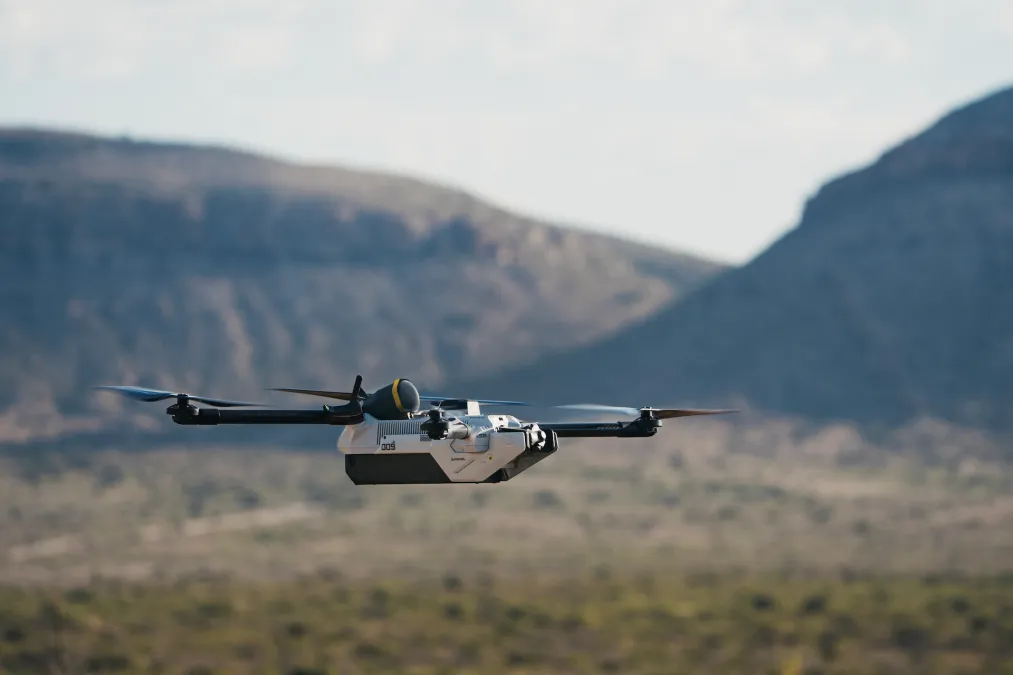
The U.S. Army is embarking on an ambitious plan to acquire one million drones by 2028, reflecting lessons from Ukraine’s battlefield and the industrial tempo of China’s defense sector. Army Secretary Daniel Driscoll confirmed that drones will be treated as expendable munitions, with production ramping up to several hundred thousand units per year.
Speaking to Reuters, Driscoll stated, “Our goal is to deliver at least one million drones to the field within the next two to three years. We view these systems not as boutique platforms, but as consumable assets.”
Currently, the U.S. Army procures around 50,000 drones annually. The new target — twenty times higher — will require expanded domestic manufacturing, streamlined procurement processes, and a sharp reduction in dependence on Chinese supply chains. Pentagon officials share this vision, aligning it with broader efforts to field attritable and autonomous systems at scale.
Learning from the Ukrainian Battlefield
The new operational concept is deeply influenced by the Ukrainian front, where micro-drones, FPV systems, and loitering munitions dominate the battlespace — providing reconnaissance, adjusting artillery fire, and striking armored targets. The U.S. Army intends to replicate this model, issuing drones as standard gear to frontline units and accepting heavy attrition as a given.
Simultaneously, the Army is investing in counter-UAS technologies, including electromagnetic weapons, net-based interceptors, and integrated defense systems under evaluation at Picatinny Arsenal.
Industry Push: From Prototypes to Mass Production
The Department of Defense is overhauling acquisition rules to speed up small drone procurement, emphasizing local suppliers and dual-use manufacturers. The initiative is tied to the Pentagon’s Replicator program, which seeks to deploy affordable autonomous swarms continuously while removing bureaucratic bottlenecks.
Driscoll emphasized that the industrial foundation must include U.S.-made motors, batteries, sensors, and circuit boards to ensure resilience during crises: “We must build at home to sustain the fight.”
Next-Generation Platforms
Among the systems prioritized are the Switchblade 600 loitering munition, capable of over 40 minutes of endurance and anti-armor strikes, and Performance Drone Works’ C100, offering 74 minutes of flight and nearly 10 kilograms of payload capacity. Anduril’s Ghost-X line provides modular, long-endurance reconnaissance platforms for tactical use.
These assets will enable continuous intelligence flow, faster targeting, and more resilient operations under electronic warfare conditions.
Strategic Outlook
The shift underscores a new era in warfare where scale, affordability, and automation rival high-end technology in strategic importance. By aligning doctrine, industry, and acquisition, Washington aims to close the production gap with China and strengthen interoperability with allies.
The coming two years — and the one-million-drone milestone — will test whether the U.S. can translate industrial ambition into operational reality.
