

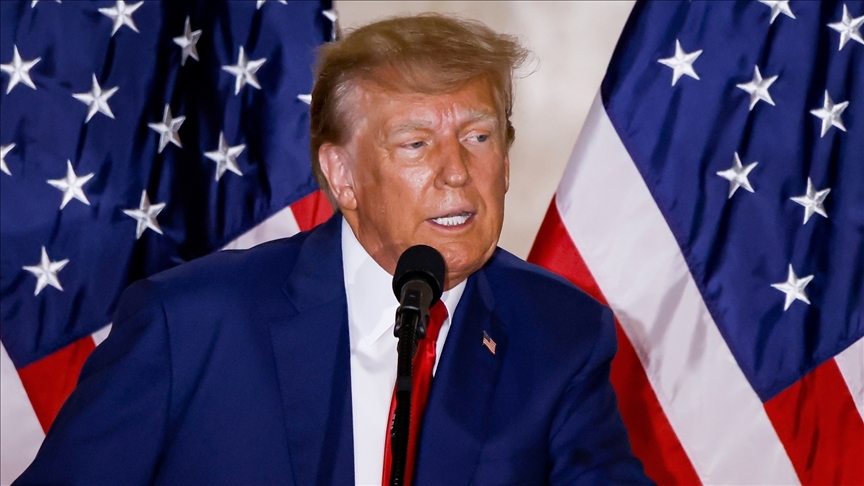
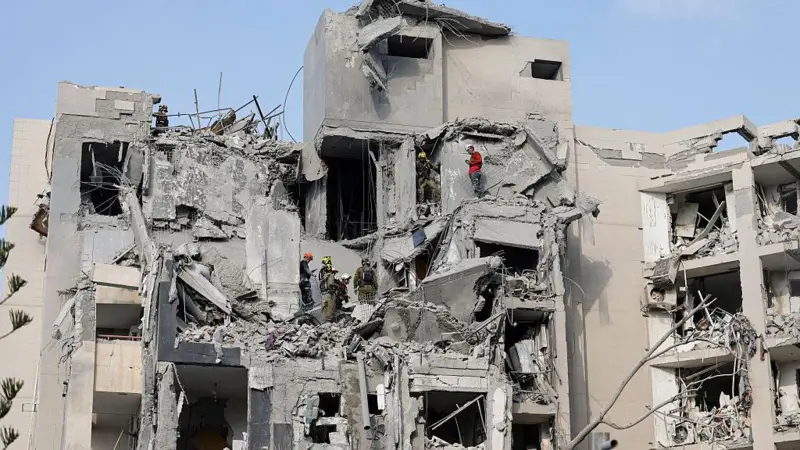
As the conflict between Israel and Iran entered its 12th day, U.S. President Donald Trump announced that both countries had agreed to a ceasefire. However, prior to the ceasefire, an Iranian missile attack killed four people. An apartment building in the city of Beersheba was severely damaged in the strike.
Around 9:00 a.m. Turkish time, Israel also confirmed that it had accepted the ceasefire. A statement from Prime Minister Benjamin Netanyahu’s office claimed that the military operations, which began on June 13, had “achieved their objectives” and that the nuclear and ballistic missile threat against Israel had been eliminated.
Trump made the announcement through a post on Truth Social, his social media platform. In the post, he outlined the ceasefire process step by step:
“Israel and Iran have reached a full and comprehensive agreement on a ceasefire. According to the deal, both parties will complete their remaining tasks; Iran will initiate the ceasefire, and 12 hours later, Israel will follow. Thus, within 24 hours, the 12-day war will officially end. During each phase of the ceasefire, both sides are expected to remain peaceful and respectful.”
Trump stated that the conflict should be remembered as the “12-Day War” and warned that had it continued, it could have endangered the entire Middle East. Six hours after his initial post, he added, “Ceasefire is in effect, please do not violate it.”
Later, speaking to NBC News, Trump described the ceasefire as “indefinite” and said there were no time constraints.
American officials, providing further details, said Israel agreed to the ceasefire on the condition that Iran cease its attacks. Iranian officials reportedly confirmed to the U.S. that they would halt further aggression.
It was revealed that Trump spoke with Netanyahu on Monday afternoon, and that Vice President JD Vance, Secretary of State Marco Rubio, and Special Envoy Steve Witkoff also communicated with Iranian officials. Qatari Prime Minister Sheikh Mohammed bin Abdulrahman Al Thani played a key role in the negotiations, particularly after the U.S. base in Qatar was targeted by Iran. Qatar facilitated communication between Iran and the U.S. regarding the ceasefire offer.
Trump also called the Emir of Qatar to thank him for his mediation efforts. He later posted that both Israel and Iran had “almost simultaneously reached out to him expressing a desire for peace.”
Conditional Ceasefire from Iran
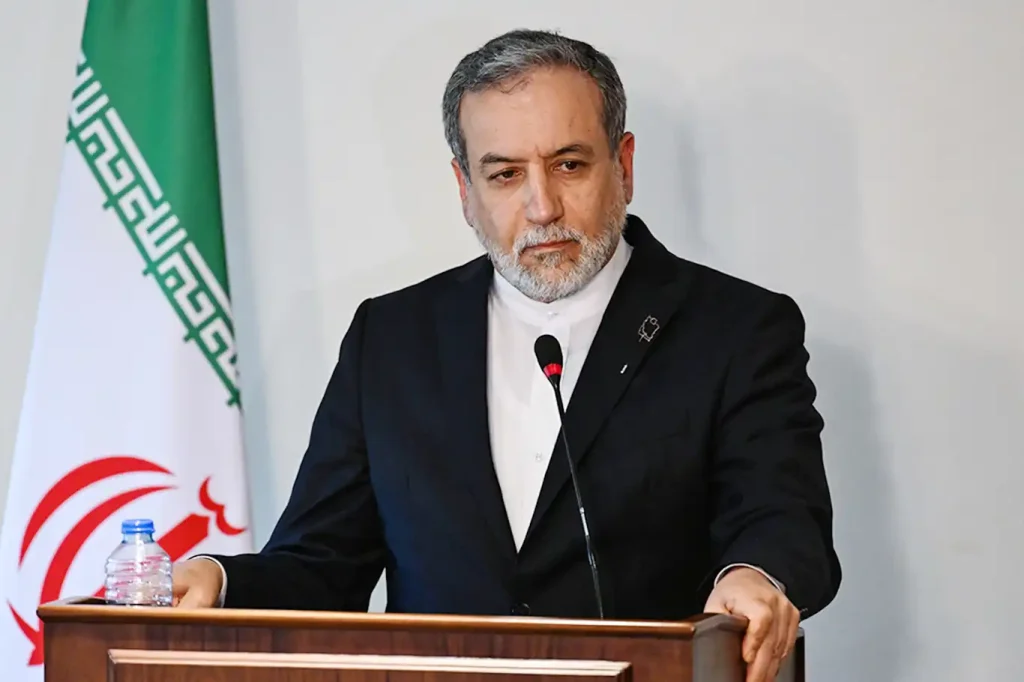
Iranian Foreign Minister Saeed Abbas Araghchi posted on X (formerly Twitter) that Iran would stop retaliating if Israel ceased its illegal attacks. He emphasized that Israel had until 4:00 a.m. Tehran time to stop its aggression.
“Israel declared war on Iran — we didn’t start it. At this moment, there is no official ceasefire agreement. But if Israel halts its attacks by 04:00, we will not continue retaliating,” Araghchi said. He added that a final decision on halting military operations would be made later. However, it was reported that Iran continued its attacks, launching four missiles in the early morning hours, killing three people.
Iranian state broadcaster IRINN reported that Israel accepted the ceasefire following the attack on the U.S. base in Qatar. A news anchor stated that “Trump pleaded with Iran for a ceasefire” after the strike. Israel has yet to release an official statement.
According to residents speaking to BBC Persian, explosions in Tehran stopped after 4:00 a.m.
Iran’s Ministry of Health reported that about 500 people were killed in the clashes, while human rights groups claim the number of fatalities in Israeli attacks is closer to 950. Israeli officials said 24 of their citizens were killed in Iranian missile strikes.
A Sudden Shift in Trump’s Tone
BBC’s Tel Aviv correspondent Mark Lowen reported that Israel had conveyed to Iran — via Arab nations — that it was ready to end the war. Netanyahu reportedly did not want a prolonged conflict, and Iran’s repeated breaches of Israeli air defenses may have influenced his decision.
According to BBC White House correspondent Bernd Debusmann Jr., Trump adopted a more conciliatory tone after Iran attacked the U.S. base in Qatar, suggesting it was time for peace. Trump thanked Iran for providing advance notice of the attack and said, “Now is the time for peace.”
Debusmann noted that this marked a sharp shift from Trump’s earlier statement, made just a day before, questioning why there shouldn’t be “regime change in Iran.” He described Trump’s sudden change in approach as typical of his unpredictable foreign policy style.
Vance: Iran’s Nuclear Capability Has Been Destroyed
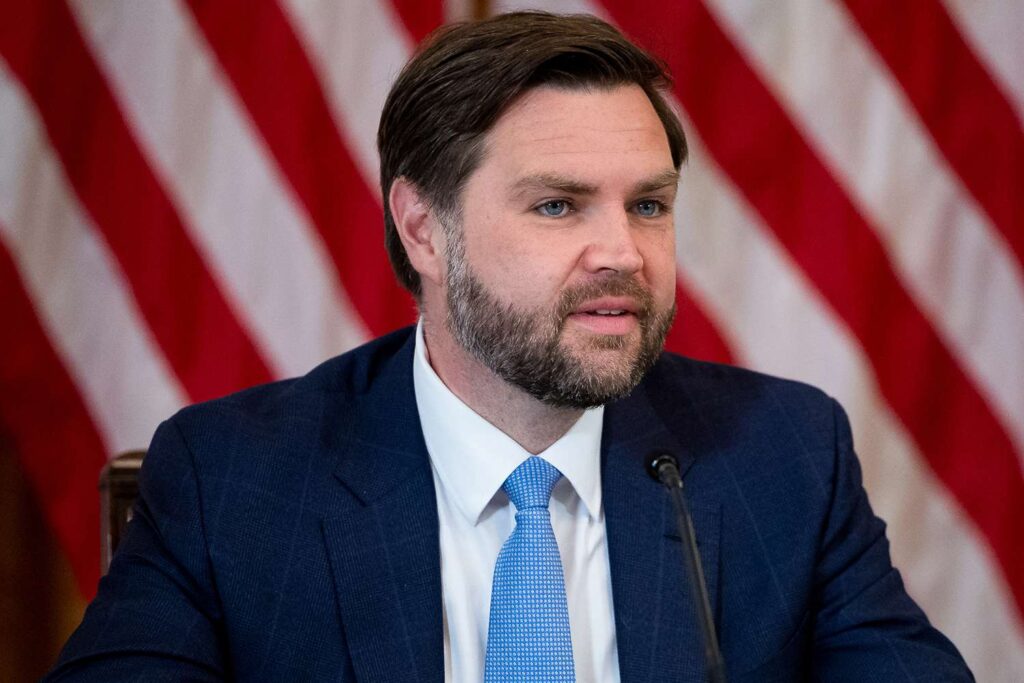
Just before Trump’s announcement, Vice President JD Vance told Fox News that Iranian nuclear facilities had been severely damaged by U.S. and Israeli strikes. “Iran no longer has the capacity to produce nuclear weapons because we destroyed all of it,” Vance said, adding that if Iran attempts such a move in the future, it would again face the U.S. military.
Before Trump’s ceasefire announcement, Iranian Parliament Speaker Mohammad Bagher Ghalibaf declared that Iran was considering ending its cooperation with the International Atomic Energy Agency (IAEA), accusing the organization of lacking neutrality and professionalism.
Airspaces Reopened
Following Iran’s attack on the U.S. base in Qatar and the subsequent de-escalation, Qatar lifted its emergency alert and reopened its airspace to civilian flights. Kuwait, the United Arab Emirates, and Bahrain also announced the reopening of their airspaces to commercial aviation.
