

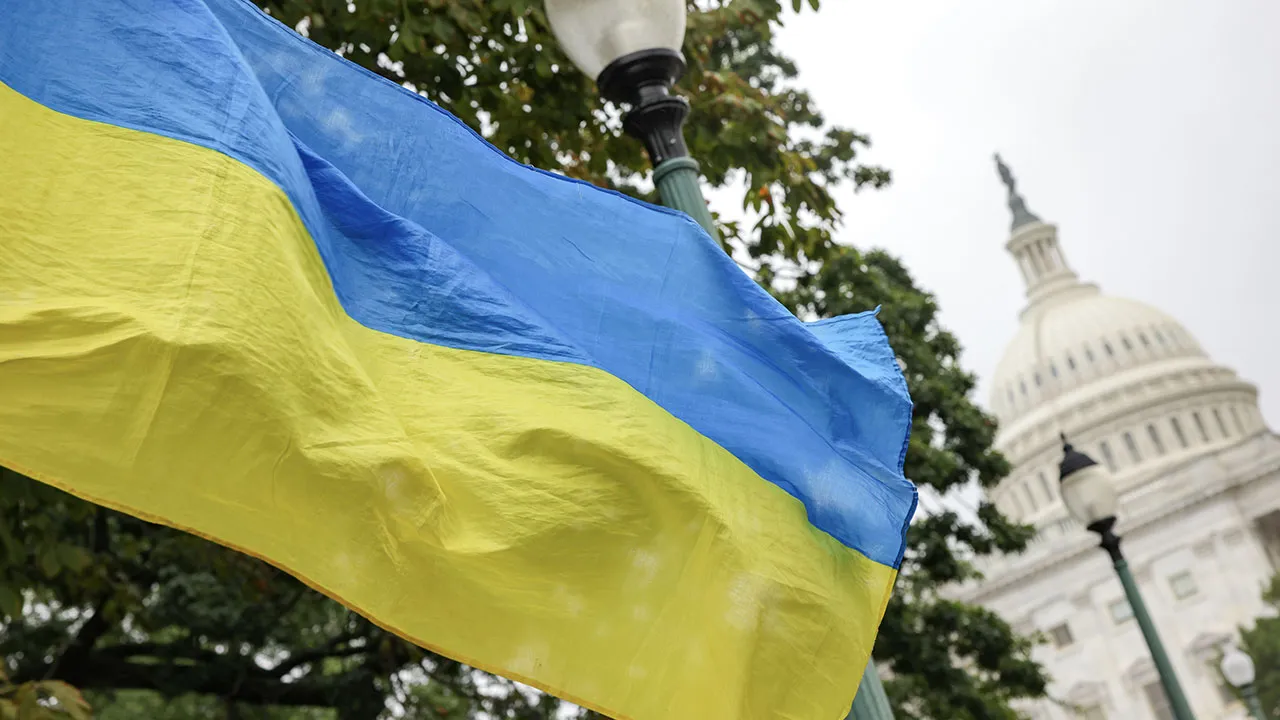
NATO officials are bracing for a grueling and uncertain summer in Ukraine, warning that Russian forces are likely to maintain their slow, attritional advances despite mounting losses. The broader conflict continues to grind on with no decisive shifts expected, and diplomatic prospects remain bleak.
“The bottom line is, conditions on the battlefield are tough,” a senior NATO official told reporters anonymously at Tuesday’s NATO Summit. “Ukraine remains incredibly adaptive and resilient, but the months ahead look to be stressful and hard-fought.”
Russian troops are reportedly making incremental progress in the northeastern region of Sumy and appear to be reinforcing a buffer zone near the Kursk border incursion. According to the same official, Moscow is also intensifying its efforts in the southeastern Zaporizhzhia region—although none of these offensives is expected to deliver a major strategic breakthrough.
Despite persistent pressure, Russia lacks the reserve strength to capitalize significantly on gains. Its military has suffered an estimated 1,300 casualties per day in 2024 alone, pushing its total number of dead and wounded above one million, the official noted.
Yet Moscow’s war industry continues to operate at a relentless pace. The country is reportedly producing around 130 tanks—new or refurbished—each month, and up to 3 million artillery shells annually. In contrast, the U.S. aims to reach 1 million shells per year by 2026.
That industrial output comes at a steep cost. Russia’s civilian economy is showing signs of serious strain, with labor shortages and growing deficits. The Kremlin has been dipping into its national welfare fund to keep the war machine running—but that cushion is dwindling. The sovereign wealth fund has dropped from $150 billion to just $37 billion, according to NATO’s internal assessments.
“Russia’s economy is being pushed to the edge,” the official said. “They’re sacrificing long-term stability for short-term war sustainability. That trade-off could keep them in the fight at least through 2027.”
While Kyiv continues to call for more international assistance, optimism for negotiations remains low. The NATO official said there’s no indication that Moscow is interested in serious peace talks, reiterating that a ceasefire is not currently a realistic option.
