

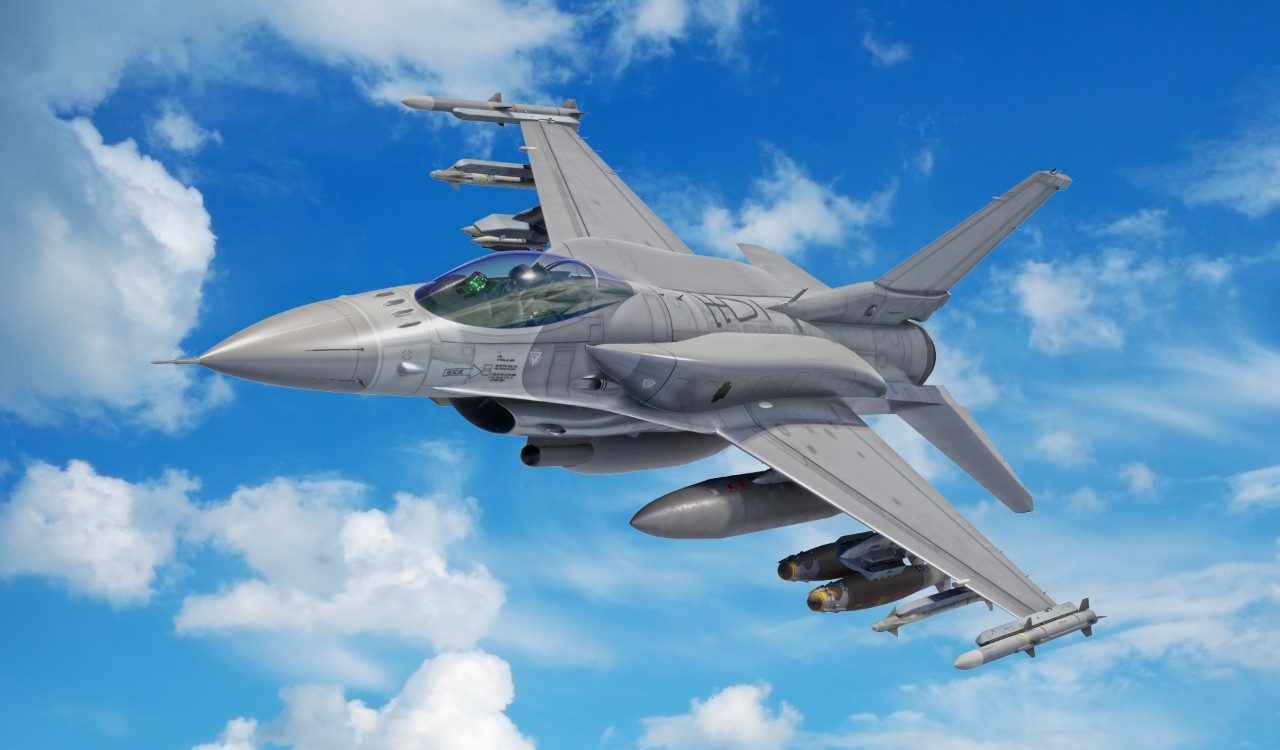
The F-16 Fighting Falcon, long celebrated as the workhorse of global air forces, is entering a bold new era. Lockheed Martin has launched its “Falcon Forward” initiative—a sweeping transformation designed to evolve this fourth-generation fighter into a platform capable of dominating 21st-century battlefields.
With over 4,600 units built and 2,084 aircraft still in active service worldwide as of 2025, the F-16 remains the most common fixed-wing combat aircraft in military inventories. But now, with innovations in avionics, manufacturing, and flight control, this agile jet is being reinvented to meet the demands of future air combat.
Below is a breakdown of the F-16’s evolution and its path forward:
F-16: From Lightweight Fighter to Global Powerhouse
| Category | Details |
|---|---|
| First Flight | YF-16 first flew on February 2, 1974 |
| Production Start | October 20, 1976 (F-16A) |
| Original Purpose | Lightweight air superiority day fighter |
| Current Role | Multirole all-weather fighter; used in over 25 nations |
| Total Built | 4,600+ |
| Current Operational Units | 2,084 (worldwide) |
| Design Highlights | Fly-by-wire, frameless canopy, reclined ejection seat, side-stick control |
Key Modern Upgrades and Innovations
| Technology/Feature | Description |
|---|---|
| Fly-by-Wire System | Introduced relaxed static stability for unmatched maneuverability |
| Auto-GCAS | Ground collision avoidance system now standard to reduce pilot error |
| Raytheon Center Display | Advanced digital cockpit interface replacing analog instruments |
| Modular Avionics | Enables easy upgrades and system swaps without major airframe changes |
| Production Shift | Now manufactured in Greenville, SC; modernization continues in Fort Worth, TX |
| SLEP (Service Life Ext.) | Extending aircraft structural life beyond 8,000 flight hours |
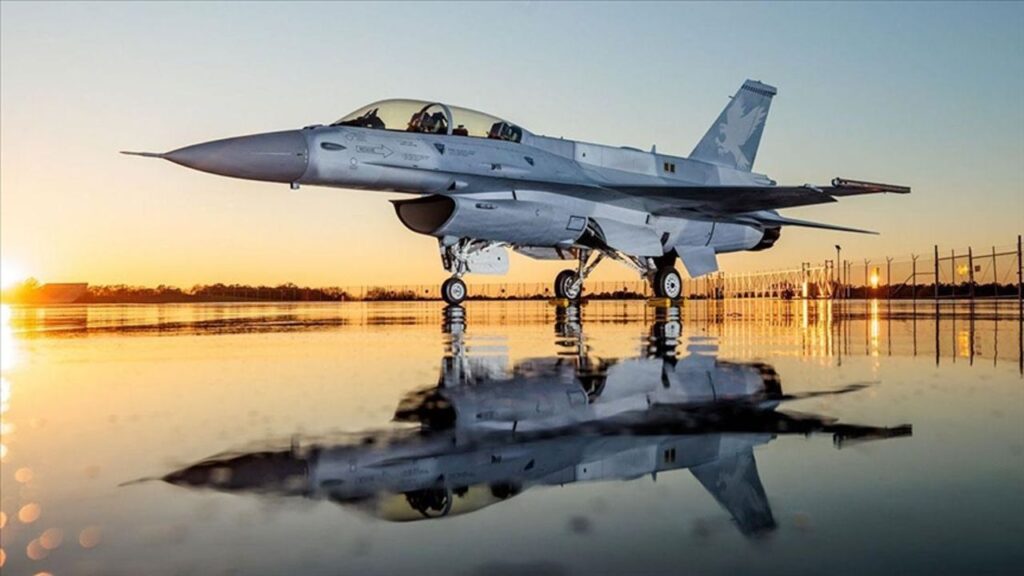
Global Reach and Strategic Partnerships
| International Operators | Notable Contributions |
|---|---|
| Belgium, Denmark, Netherlands, Norway | Built 348 aircraft under European Participation Group |
| Turkey (TAI) | Manufactured 232 units + 46 for Egypt |
| South Korea (KAI) | Produced 140 KF-16 aircraft under license |
| India (Proposal) | Would have included a new production line had the F-16IN been selected |
Why the F-16 Still Matters
Despite the introduction of fifth-generation fighters like the F-35, the F-16 remains a critical asset thanks to its:
- Affordability and Reliability: Low operating costs make it attractive for both major and developing air forces.
- Interoperability: Seamlessly integrates into NATO and allied combat networks.
- Multirole Versatility: Capable of air superiority, precision strike, reconnaissance, and electronic warfare missions.
- Upgrade Path: Easily adaptable to modern threats with plug-and-play systems.
Falcon Forward Vision
Lockheed Martin’s Falcon Forward campaign repositions the F-16 not just as a legacy fighter, but as a next-generation capable multirole jet, bridging the gap between affordability and modern lethality.
“Falcon Forward is not just about sustaining the F-16—it’s about reinventing it for the battlespace of tomorrow.” – Lockheed Martin spokesperson
Countries Operating the F-16 and Adopted Systems
| Country | Key Systems/Upgrades Used |
|---|---|
| United States | Auto-GCAS, MSIP upgrades, digital cockpit (Raytheon CDU), CAPES (initial), structural life extensions |
| Turkey | Produced Block 30/40/50 locally (TAI), indigenous upgrades, digital avionics, advanced weapon integration |
| South Korea | Locally produced KF-16 with advanced radar and avionics, MSIP-based upgrades, modern display systems |
| Taiwan | CAPES-related avionics and radar upgrades, digital cockpits, extended range and survivability upgrades |
| Israel | Highly customized F-16I “Sufa” with Israeli avionics, radar, weapon systems, electronic warfare enhancements |
| Egypt | Block 40 and Block 52 F-16s, upgraded systems, radar, and survivability packages |
| Greece | Viper upgrade program (F-16V) with AESA radar, modern cockpit, improved avionics |
| Poland | Operates F-16C/D Block 52+, with precision weapons, helmet-mounted displays, and digital systems |
| United Arab Emirates | Advanced Block 60 F-16E/F “Desert Falcon” with AESA radar, infrared targeting, and unique UAE-specific upgrades |
| Singapore | F-16C/D Block 52 upgraded to F-16V standards with AESA radar and advanced data links |
| Bahrain | Latest orders include F-16 Block 70 (Greenville production) with modern avionics, fly-by-wire, digital displays |
| Morocco | Recently upgrading to F-16V standard, including AESA radar and digital mission systems |
| Slovakia | New F-16 Block 70s ordered with the latest systems (to replace MiG-29s) |
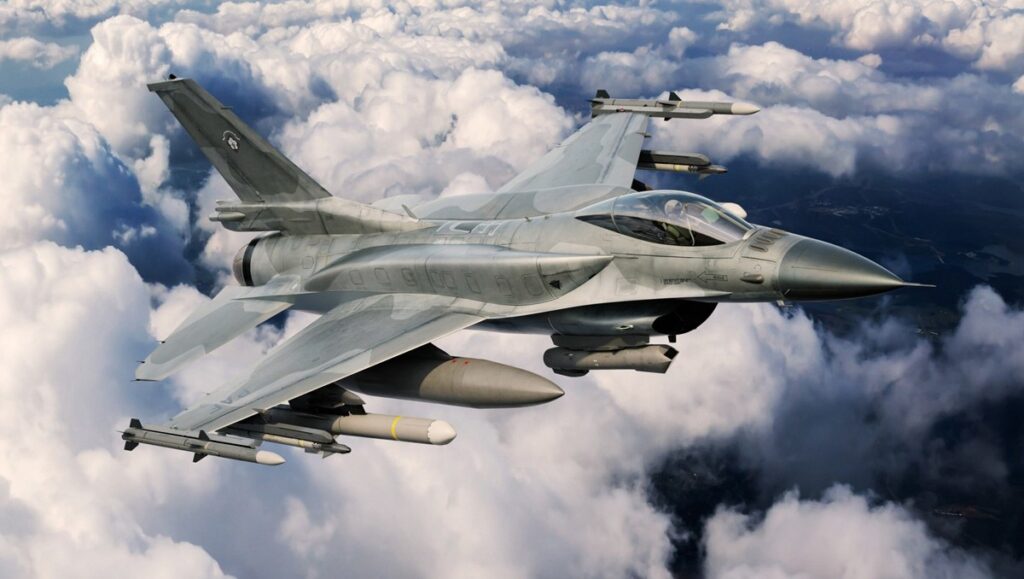
Notable Technologies Used Internationally
| Technology | Countries That Have Used or Adopted It |
|---|---|
| Fly-by-Wire (FBW) | All operators; standard in all F-16s since inception |
| Auto-GCAS | USA, Taiwan, Greece, Poland (part of Viper/Block 70 upgrades) |
| Raytheon Center Display Unit | USA, Greece, Taiwan, South Korea, others (digital cockpit modernization) |
| AESA Radar (APG-83) | Singapore, Greece, Bahrain, Slovakia, Taiwan (F-16V), USA (selected aircraft) |
| F-16V (Viper) Standard | Greece, Taiwan, Singapore, Bahrain, Slovakia, Morocco |
| Additive Manufacturing / SLEP | USA and allies involved in service life extensions with new material integration |
