

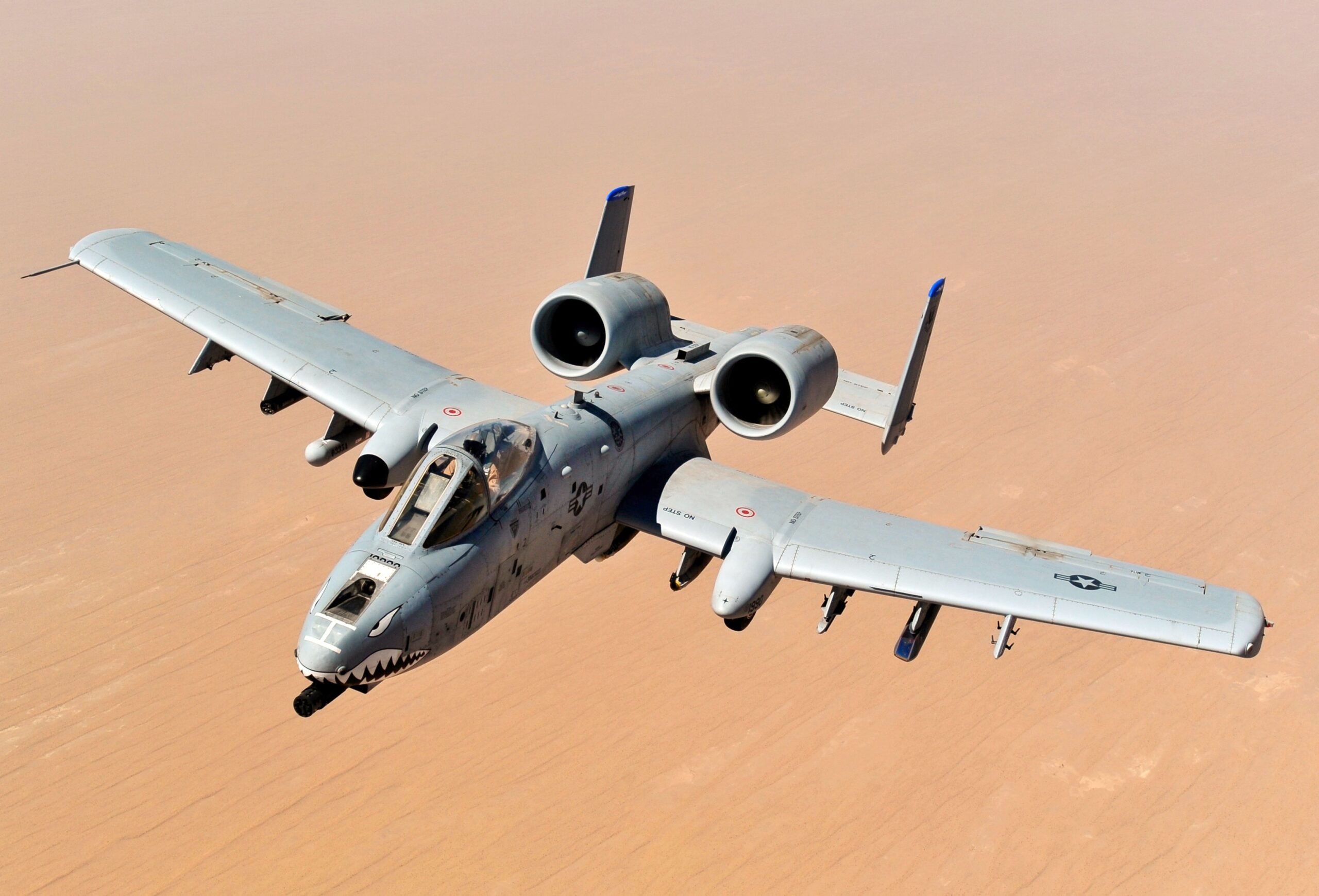
In a dramatic overhaul of its future force posture, the U.S. Air Force has announced plans to retire its entire fleet of A-10 Thunderbolt II aircraft and cancel the E-7 Wedgetail program under its proposed fiscal year 2026 budget—moves that signal a sweeping modernization strategy and reallocation of defense resources.
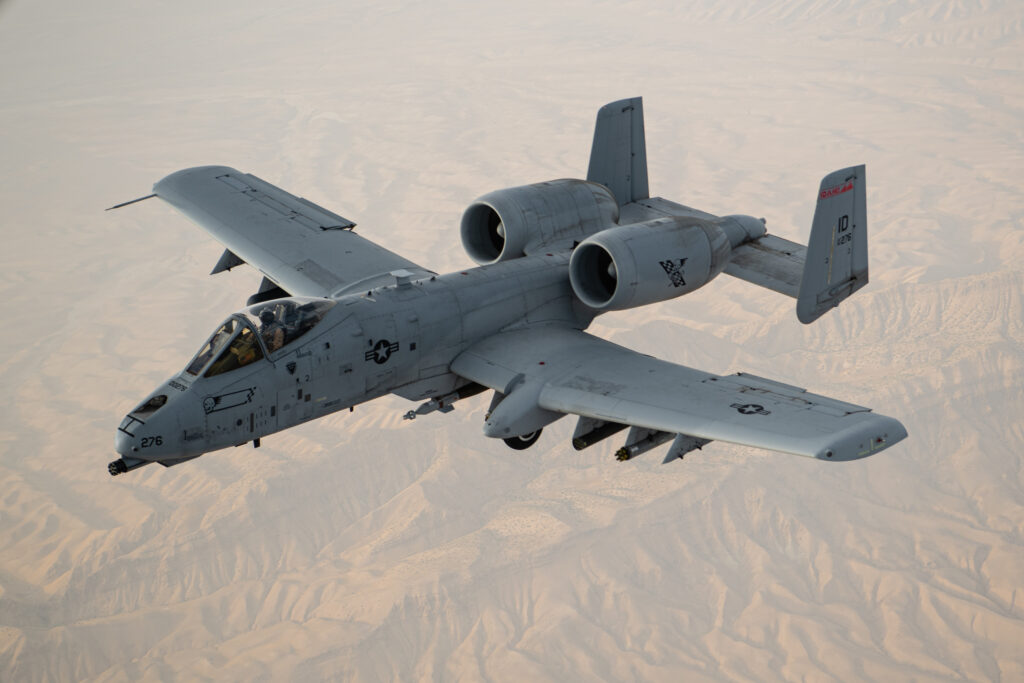
The proposed $249.5 billion budget—pending reconciliation approval—marks a 17.2% increase over 2025 and includes a historic plan to divest 340 aircraft, the largest such move in years. Chief among the retirements is the legendary A-10 Warthog, whose 162 remaining airframes will be fully phased out, effectively ending the aircraft’s 50-year role as the close air support backbone of the Air Force.
The A-10’s accelerated retirement, long resisted by lawmakers and battlefield commanders alike, reflects a shifting vision toward peer-level threats and multidomain operations. Alongside the Warthogs, the Air Force will retire dozens of other aircraft including F-15Es, F-16Cs, EC-130Hs, and even a B-1 Lancer.
More controversial is the abrupt cancellation of the Boeing E-7 Wedgetail program, intended to replace the aging E-3 AWACS fleet. The decision was driven by ballooning costs—now estimated at $724 million per aircraft—and growing skepticism over the platform’s survivability in contested airspace. Instead, the Pentagon is exploring a hybrid approach involving space-based tracking systems and more E-2D Hawkeye aircraft.
Despite these cuts, investment in next-generation systems is ramping up. The B-21 Raider stealth bomber is set to receive over $10 billion in combined funding, while the Sentinel ICBM and Collaborative Combat Aircraft (CCA) drone programs will also see significant boosts.
One of the budget’s biggest surprises is a dramatic cut to the F-35 program. Only 24 F-35As will be procured for the Air Force in 2026, down from 44 the previous year, as funds shift toward sustainment and Block 4 upgrades rather than expanding fleet size.
The F-15EX Eagle II, initially slated for phase-out, will receive renewed support with plans to procure 21 new aircraft. Meanwhile, the F-47 fighter under the Next Generation Air Dominance (NGAD) program will get an R&D injection totaling nearly $3.5 billion if reconciliation spending is approved.
Even as old warhorses are retired, some projects once thought dead may rise again: the AGM-183A ARRW hypersonic missile is back in the budget with $387 million allocated for a potential revival after past test failures.
While some see this pivot as a pragmatic leap toward 21st-century warfare, questions remain. Can Congress stomach the loss of iconic platforms like the A-10? Will space-based solutions adequately replace proven airborne command and control? And will slashing F-35 procurement hinder readiness in the near term?
The coming months in Congress will determine whether the Air Force’s bold 2026 vision becomes a new reality—or stalls on the runway of political debate.
