

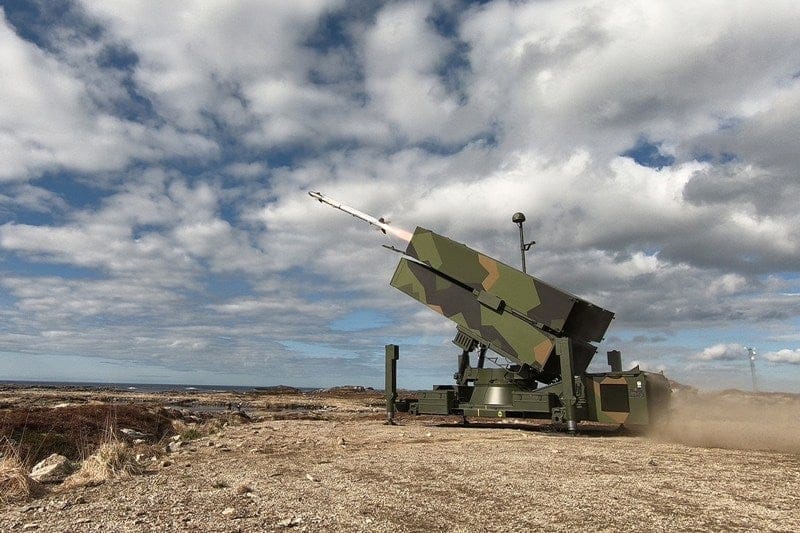
In a historic milestone for integrated air defence, Australia has successfully conducted the world’s first ground-based launch of the AIM-9 Sidewinder missile using the NASAMS (National Advanced Surface-to-Air Missile System) platform. The demonstration took place on June 30, 2025, at the Woomera Test Range in South Australia, marking a major step forward in the Australian Defence Force’s modernization efforts.
The trial saw the 16th Regiment, Royal Australian Artillery, fire the Sidewinder from a Hawkei High-Mobility Launcher—an achievement that follows over 18 months of development and validation led by Raytheon Australia. Traditionally employed as an air-to-air missile, the Sidewinder’s adaptation for ground-based operations adds an agile, short-range option to the NASAMS launcher’s arsenal, which already includes the AIM-120 AMRAAM.
This dual-missile configuration greatly enhances the flexibility and responsiveness of ground-based air defence units, offering tailored responses to a wide range of aerial threats including low-flying drones, cruise missiles, and fast-moving aircraft. The mobility provided by the Hawkei vehicle ensures rapid deployment across diverse operational environments, from urban zones to remote outposts.
The integration comes under the LAND 19 Phase 7B project, part of a broader strategic investment outlined in Australia’s National Defence Strategy. It positions Australia as a global leader in layered and modular air defence, capable of countering increasingly complex threats in the Indo-Pacific theatre.
Raytheon Australia, acting as the prime contractor, has emphasized the local industry’s role in delivering this capability. The successful test not only demonstrates operational readiness but is also expected to influence future acquisitions, expanding the missile suite’s availability across other army formations.
In an era of evolving aerial warfare, Australia’s breakthrough with the NASAMS–Sidewinder combination exemplifies the shift toward versatile, multi-mission defence systems. As regional tensions grow, such innovations underline the country’s resolve to remain secure, sovereign, and strategically prepared.
