

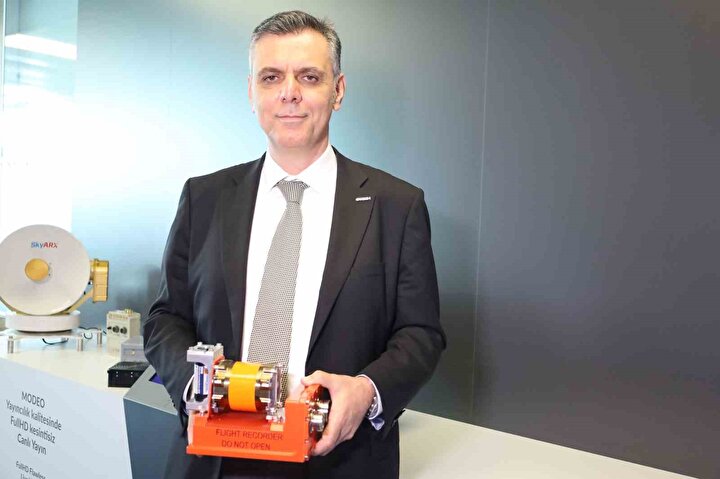
Turkey has achieved a significant milestone toward self-sufficiency in aviation technology with the domestic production of flight data recorders (black boxes) for the indigenous fighter jet KAAN, the next-generation basic trainer HÜRKUŞ, and the advanced trainer HÜRJET. Developed by the Turkish company CTech, these black boxes contain approximately 50-60% locally sourced components, playing a crucial role in reducing reliance on foreign suppliers for critical avionics parts.
CTech’s General Manager Cüneyt Fırat highlighted the strategic importance of this development, noting that the devices have successfully passed rigorous environmental tests including high temperature, pressure, impact, and shock resistance. Fırat explained, “The black box plays a vital role by recording both technical flight data and cockpit conversations throughout the mission. Its most critical feature is remaining intact and readable even after a crash.” He also mentioned the bright orange color of the device, which facilitates easy identification in wreckage.
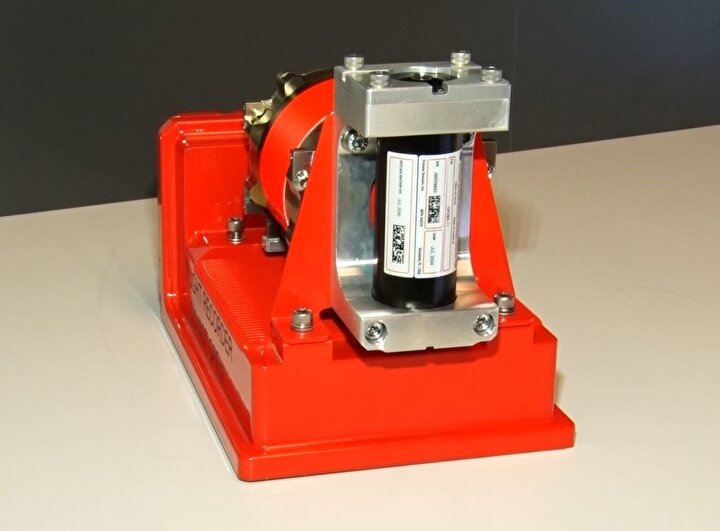
Designed with robust mechanical protection surrounding the electronic memory unit, the black box is engineered to withstand extreme forces encountered in aircraft accidents. Beyond its core data storage function, it is equipped with communication modules that transmit emergency location signals, enabling rapid response in the event of an incident.
Thanks to the domestic production of this avionics component, Turkish defense platforms like KAAN, HÜRKUŞ, and HÜRJET will avoid operational delays or risks caused by dependency on foreign suppliers. Fırat added, “In case of any malfunction or issue, there will be no need to send the device abroad, which underscores its strategic value.” Efforts continue to increase the local content ratio and to enhance integration with the aircraft’s communication systems.

This achievement not only demonstrates Turkey’s growing capacity in domestic aviation technologies but also strengthens its strategic autonomy in the defense industry. The first units are expected to be delivered within the year, marking a significant contribution to the operational readiness and resilience of Turkey’s new-generation military aircraft fleet.
