

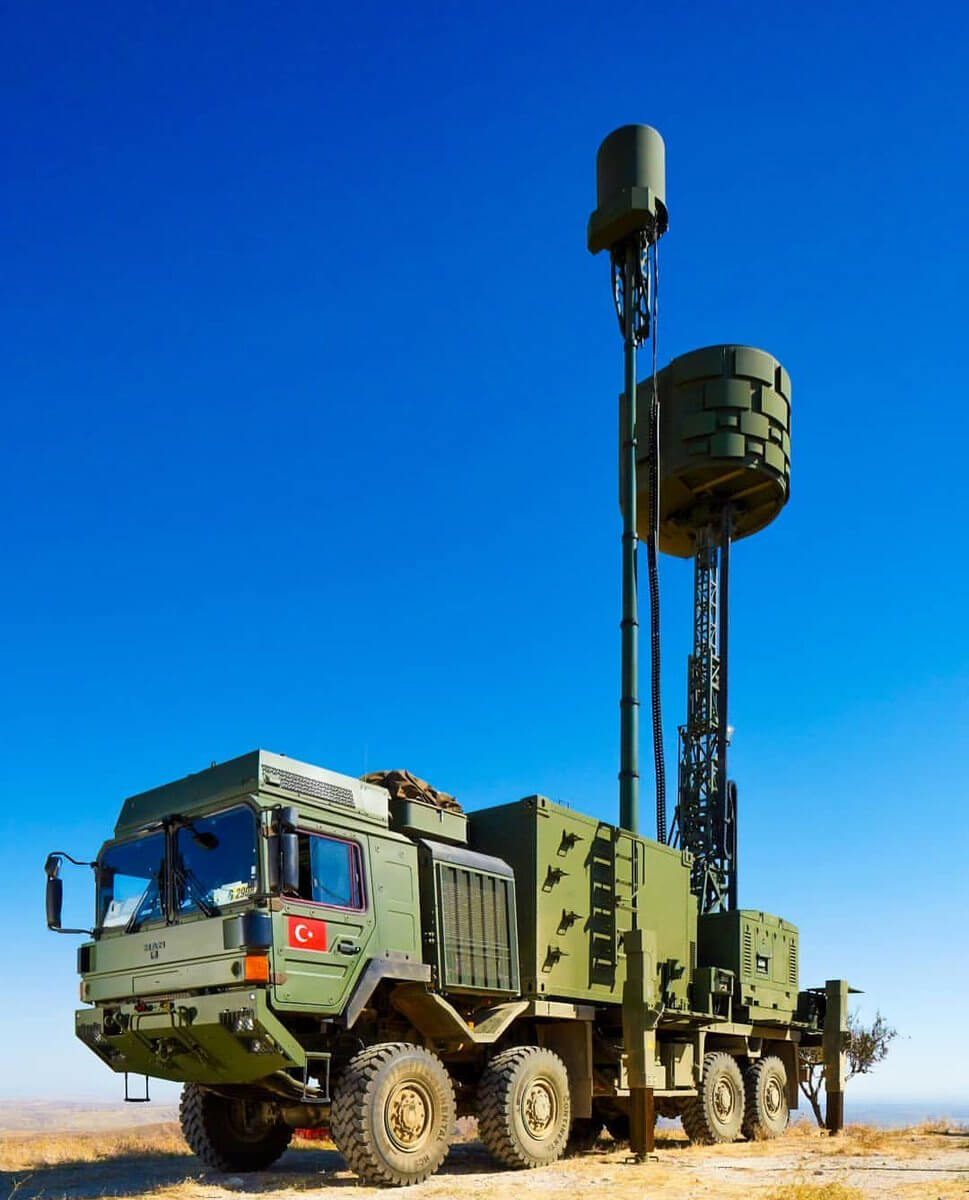
In recent years, the Iron Dome system has become a symbol of Israel’s defense capability, especially reemerging in the global spotlight amid rising regional tensions and aerial attacks. Known for its ability to neutralize short-range rockets and mortar shells mid-air, this system holds great significance not only from a military technology perspective but also as a political deterrent. So, how exactly does the Iron Dome work, under what circumstances is it activated, and what does it signify in terms of global defense strategies?
The Invisible Shield of Modern Wars: How the Iron Dome Works
The operation of the Iron Dome relies on three main components: radar detection system, command and control center, and interceptor (countermeasure) missiles. The system first detects any airborne threat with its radar unit. Then, this data is transmitted to the central command software to calculate the rocket’s probable impact point. If the threat is heading toward an empty area, the system remains passive without intervention. However, if the target is a populated area or a strategic facility, the interceptor missile called Tamir is launched within seconds.
This interceptor missile destroys the enemy rocket before they meet mid-air. This not only prevents large-scale damage but also ensures public safety. The system’s rapid and selective response capability allows efficient use of resources and enables it to counter multiple threats simultaneously.
Although the system’s effectiveness rate is reported between 85% and 90% in various sources, it is noted that its capacity can be pushed to the limit under intense missile barrages. Therefore, while the Iron Dome is an impressive defense system, it is emphasized that it is not a completely flawless shield.
How Does the Iron Dome Keep Israel Standing?
Within Israel’s defense systems, the Iron Dome is not just a piece of technical equipment but has become a symbol of security. Activated in 2011, this air defense system was developed against short-range rockets and missiles but has gradually taken on a key role in both Israel’s military and political security strategies. So, why is this system so critical for Israel?
The Iron Dome is primarily used as a defense mechanism to protect civilians living near tension zones like the Gaza Strip. The system intercepts rockets fired by militant groups mid-air, significantly reducing casualties and infrastructure damage. Proven effective during attacks on Israel’s densely populated areas, this technology creates not only physical protection but also a sense of security among the public.
Moreover, the deterrence effect of the Iron Dome cannot be ignored. The system exerts psychological pressure on groups or countries considering attacking Israel, greatly reducing the likelihood of a successful assault. It is also seen internationally as a showcase of Israel’s defense capabilities. In this respect, the Iron Dome strengthens Israel’s military superiority in the region and serves as an indirect leverage in foreign policy moves.
How Effective is the Iron Dome? Achievements and Challenges
Israel’s critical air defense system, the Iron Dome, stands out as one of the most important shields developed against short-range rocket and missile attacks. Having been actively used for many years, reports indicate a success rate ranging between 85% and 95% at different times. However, the system’s capacity is tested during intense and simultaneous rocket attacks, and it sometimes struggles to intercept all targets. For example, during recent periods of heavy attacks, the number of rockets the system failed to intercept increased, and some missiles reached their targets due to ammunition shortages.
Dependency on the Iron Dome and Security Concerns
Although the Iron Dome has become an indispensable part of Israel’s security strategy, experts warn that the sense of security it creates also brings some risks. In particular, there is growing concern that the system might weaken against high-intensity and advanced rocket attacks. Security circles in the US and Israel have issued warnings that the system’s effectiveness could diminish in the event of large-scale attacks by groups like Hezbollah.
Technical Issues and Cybersecurity Threats
There have been occasional technical malfunctions in the Iron Dome in the past, which affected the system’s defensive performance. Reports indicate that the system did not operate at full capacity during some critical conflict moments. Additionally, claims about cyberattacks and hacking attempts threatening the system’s security have come to light. These risks show that the Iron Dome is not only a technological defense system but also requires continuous updates and maintenance as part of its defense infrastructure.
