

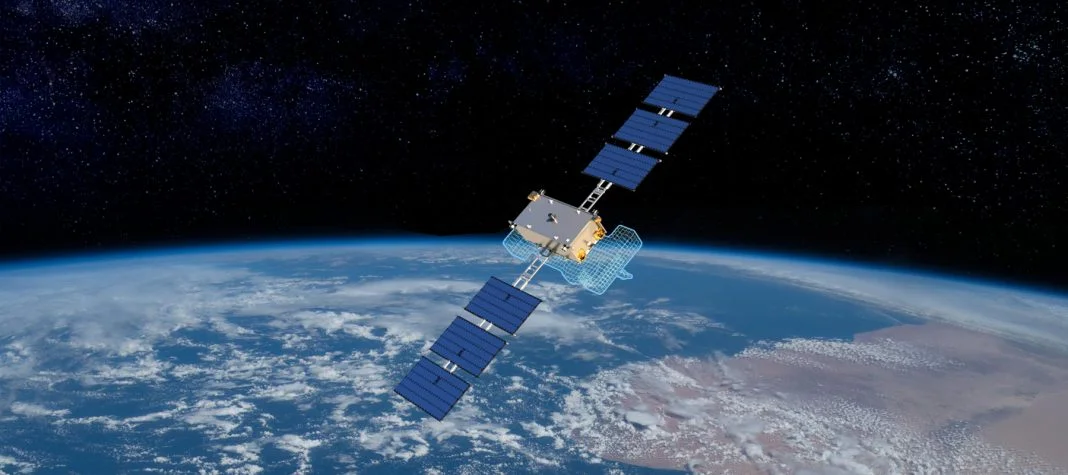
The U.S. Air Force Inspector General has raised red flags about the Space Development Agency’s (SDA) emphasis on speed in satellite deployment, warning that its “go-fast” mentality could leave it vulnerable to unseen or poorly understood risks. The assessment, conducted between February and March and obtained by Defense News, highlights both the strengths and growing pains of one of the Pentagon’s most ambitious space efforts.
While the review acknowledges SDA’s agile and high-performing culture, it also notes recurring issues: difficulties in attracting and retaining talent, a growing mismatch between speed and system quality, and overly centralized decision-making. According to the report, SDA’s breakneck operational tempo has resulted in concerns about risk reporting, informal processes, and occasional departures from standard Department of Defense (DoD) protocols.
Internal feedback from 129 of the agency’s 155 employees points to additional unease. Remote work limitations and policies targeting new hires have triggered fears around job security. Moreover, SDA’s workforce cited increasing scrutiny of the agency’s outcomes, compounding pressure within an already fast-moving environment.
The review was initiated shortly after SDA Director Derek Tournear was temporarily placed on administrative leave over his handling of a contract related to satellite prototypes. Though reinstated in April, the episode underscored the political and procedural sensitivities surrounding SDA’s operations.
Founded in 2019 as a rapid acquisition wing of the Space Force, SDA aims to populate low Earth orbit with constellations of advanced satellites for missile tracking and data relay. Tournear’s leadership has been defined by a “tranche” strategy — rolling out satellites in incremental waves every two years, enabling frequent upgrades and rapid integration of new technologies.
The agency’s first batch, Tranche 0, began launching in April 2023, with Tranche 1 scheduled for liftoff later this summer. Despite supplier-related delays, SDA maintains that its first fully operational satellites will be on orbit by 2026.
However, this speed-centric model continues to draw scrutiny. In February, the Government Accountability Office (GAO) urged SDA to delay future launches until proving the current systems’ capabilities in space. The GAO warned that the push for tight deadlines could undermine iterative learning and lead to overlooked design flaws.
The Air Force’s findings echo that sentiment. The report states that SDA’s infrastructure and administrative systems are strained by the agency’s rapid growth, and that reactive — rather than proactive — risk management remains a concern. The leadership style, once effective for a small team, now fosters information silos that hinder collaboration and knowledge sharing across the broader organization.
Notably, the report recommends a pivot from a personality-led model to a process-oriented framework, formalizing responsibilities, career progression paths, and communication systems. It emphasizes the need for improved transparency across tranches and leadership levels to support long-term innovation and stability.
“While SDA continues to show promise in rapidly deploying cutting-edge capabilities, the road ahead requires a balance between innovation and structure,” the Inspector General concludes. “Sustainable success will depend on stronger risk management, consistent processes, and greater alignment with Space Force objectives.”
