

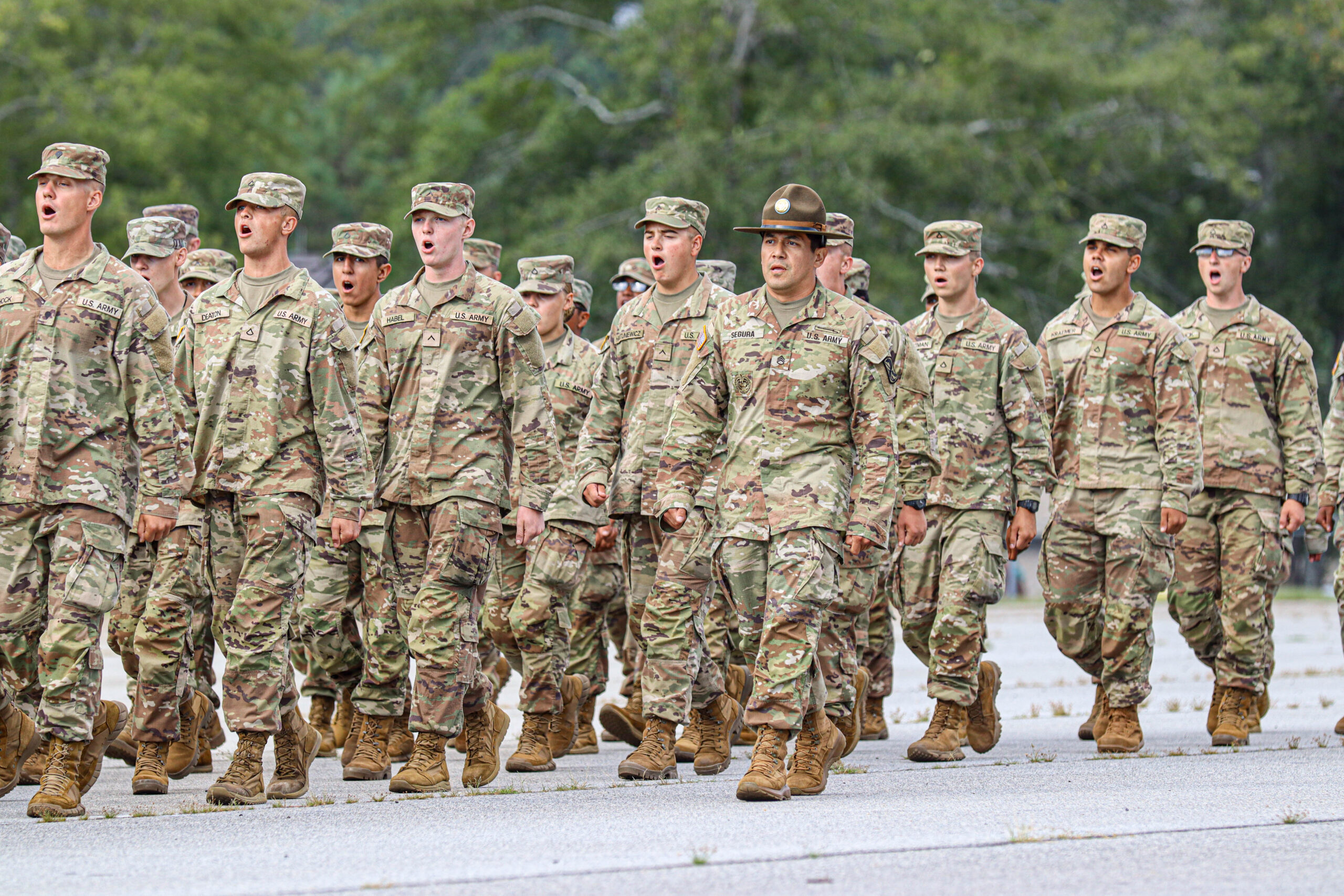
The U.S. Army is seeking a total of $197.4 billion for fiscal year 2026 as it embarks on a sweeping overhaul of its structure and capabilities—one of the most ambitious reorganizations in decades. Despite inflationary pressures and expanding global commitments, the service is pushing forward with an aggressive transformation strategy.
The FY26 budget request includes $192 billion in base funding and an additional $5.4 billion tied to a separate $113 billion supplemental bill currently being debated in Congress. This proposed budget reflects a nearly 7% increase over the previous year’s $184.6 billion allocation.
At the heart of the plan is the Army Transformation Initiative, which aims to consolidate key commands, revamp force structure, and scrap legacy programs to prioritize investments in combat effectiveness. To fund this shift, the Army proposes to divest $4.9 billion worth of outdated systems, including Paladin howitzers, aging anti-tank missiles, Gray Eagle drones, and Humvees.
Major command changes are also on the horizon. The Army intends to merge Army Futures Command with Training and Doctrine Command and combine U.S. Army Forces Command with its North and South counterparts to create a new Western Hemisphere Command.
On the modernization front, the Army is doubling down on air defense and unmanned capabilities. The FY26 request includes $729 million for faster procurement of Maneuver Short Range Air Defense vehicles and $1.3 billion for the next-generation air and missile defense radar to replace the Patriot system. Investments also cover loitering munitions, a $1.2 billion boost to accelerate the Future Long-Range Assault Aircraft, and funding for early production of M1E3 Abrams tanks.
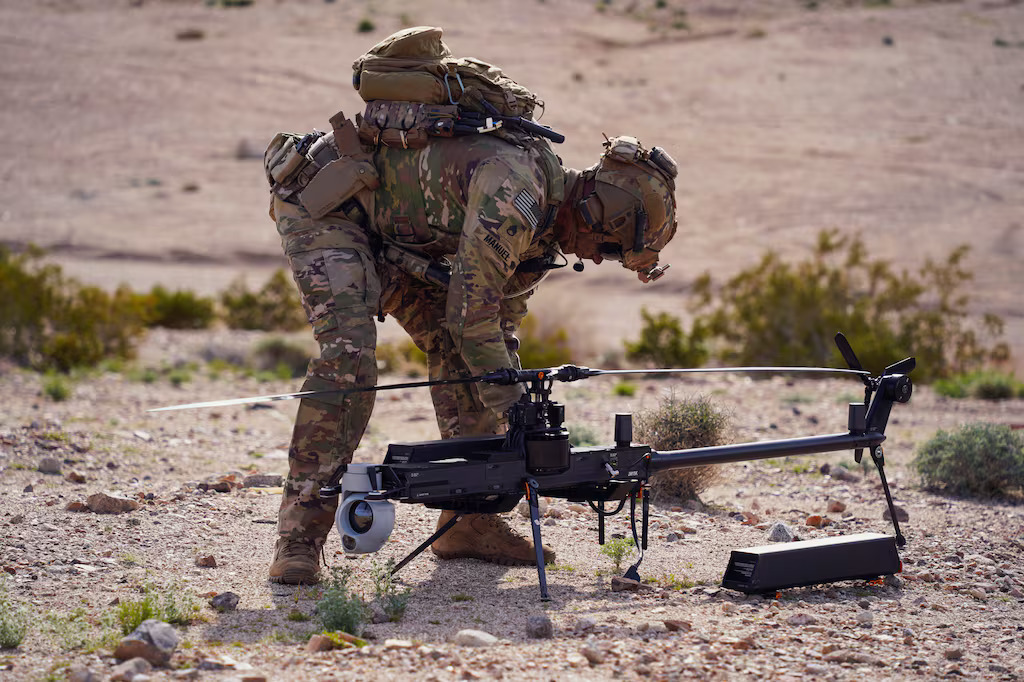
Rapid integration of commercial drones is a key priority, with plans to equip 10 Brigade Combat Teams through a new $1.7 billion flexible funding mechanism targeting unmanned aerial systems (UAS), counter-UAS, and electronic warfare. This includes $723.5 million to build four M1E3 tank variants, $693 million for counter-drone systems, and $79 million for ready-to-deploy electronic warfare tools.
To enhance mobility and firepower, $616 million will go toward converting five infantry brigades into mobile units, equipping them with new squad vehicles and loitering drones. The budget also allocates funds to expand HIMARS artillery units and field long-range drones to multidomain forces.
Finally, the Army is dedicating $2.9 billion to fast-track development of a Next-Generation Command and Control system to replace its current fragmented networks. Another $1.1 billion is earmarked to upgrade seven critical munitions facilities, including Lake City and Holston ammunition plants, to strengthen industrial readiness.
In short, the Army’s FY26 proposal is more than just a budget—it’s a blueprint for transformation, aiming to shed outdated systems and structures in favor of a faster, more lethal, and adaptable force.
