

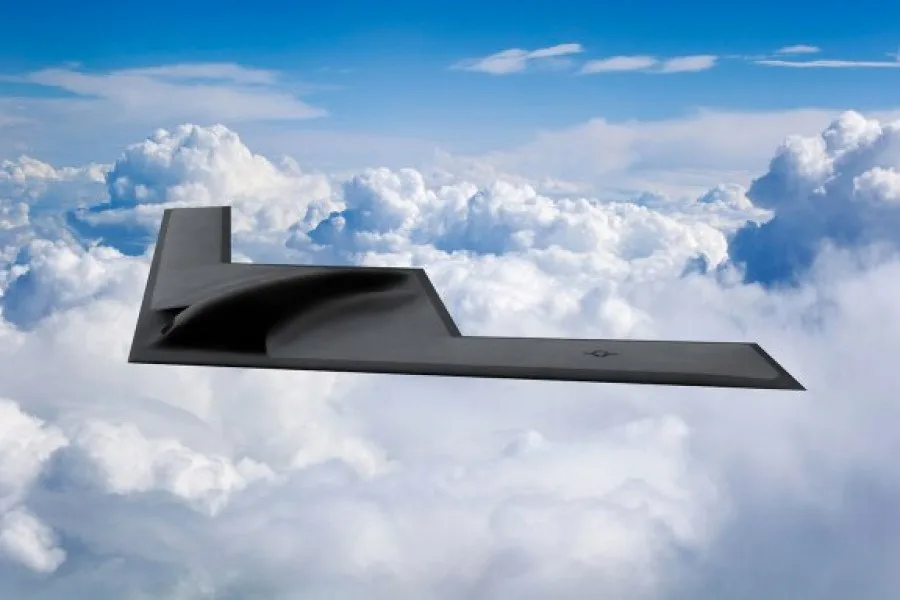
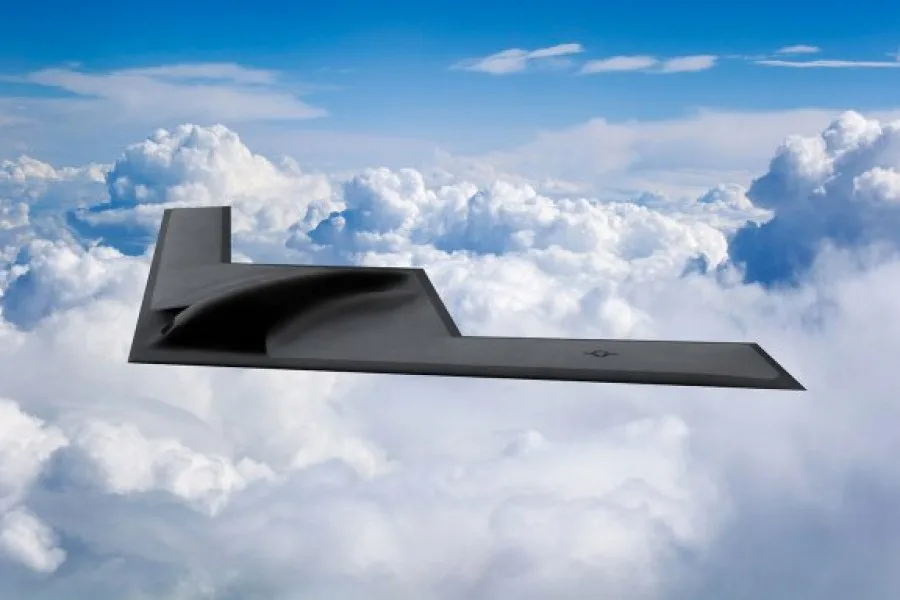
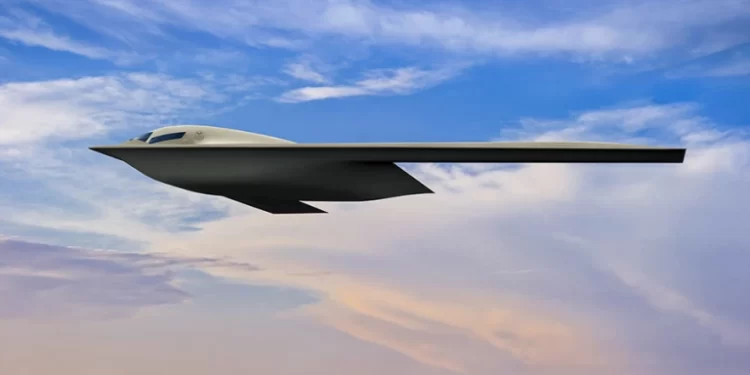
The U.S. Air Force’s leap into the future of strategic air dominance has a name — and a presence. The B-21 Raider, developed by Northrop Grumman, is not just a new aircraft; it’s the world’s first operational sixth-generation stealth bomber, poised to redefine global deterrence and aerial warfare.
As it continues through flight testing, the B-21 Raider represents the next era of American power projection — built to penetrate the most sophisticated air defenses, strike with precision anywhere in the world, and evolve rapidly with battlefield needs. This aircraft isn’t a glimpse of the future; it is the future — and it’s already here.
A Sixth-Generation Breakthrough
The B-21 Raider breaks away from previous generations of bombers with a suite of cutting-edge innovations:
- Next-gen stealth coatings and shaping make it more elusive, yet easier and cheaper to maintain than earlier stealth platforms.
- Modular open architecture inside the aircraft allows for seamless upgrades — from advanced munitions to software improvements.
- Cloud-integrated systems and next-level networking capabilities ensure full operational synergy with other platforms and command assets.
Designed from the outset with adaptability in mind, the B-21 can evolve with the rapidly changing demands of 21st-century warfare — making it as future-proof as today’s technology allows.
Built for Battle, Not Just Display
Unlike typical prototype testing paths, the first B-21 test aircraft is production-representative — meaning it was constructed using the exact processes, materials, and tools that will be employed in full-scale manufacturing. It isn’t a demonstration model — it’s the real deal, built by the same technicians who will craft the U.S. Air Force’s future fleet.
This approach enables a seamless transition from testing to active service, minimizing delays and optimizing long-term performance.
A Digital Bomber from Day One
Northrop Grumman has integrated digital engineering and agile software development across the B-21’s entire lifecycle. Every aspect of the aircraft — from design to ground testing and future upgrades — is optimized through simulation and real-time data modeling.
The result? A bomber that outperforms expectations, reduces cost and complexity, and allows for modern, data-driven sustainment across decades of service.
Advanced Manufacturing, Human-Centric Tools
The B-21 isn’t just a marvel of stealth — it’s a triumph of modern manufacturing. The program utilizes a digitally enabled ecosystem, where augmented reality helps technicians “see” tasks before touching the aircraft, and advanced visualization tools reduce human error while improving build efficiency.
This investment in advanced manufacturing not only reduces production risk, but also builds a stronger, smarter workforce ready to support America’s most advanced bomber.
Sustainment Built Into the DNA
Unlike legacy systems where maintenance was an afterthought, sustainment has been a core focus of the B-21’s design from the very beginning. The aircraft comes with an early foundation of technical data, supply chain readiness, and integrated training support — ensuring that when it is fielded, it’s not just ready to fly — it’s ready to last.
This proactive sustainment philosophy will save costs, extend lifespan, and keep the B-21 combat-ready in even the most demanding operational theaters.
A New Era of Stealth Has Taken Flight
The B-21 Raider is not only a technological marvel but also a strategic symbol. It will serve as a stealthy, adaptable, and precise force multiplier capable of deterring adversaries and assuring allies across the globe.
As the world’s first sixth-generation aircraft, the Raider will form the backbone of the U.S. Air Force’s long-range strike fleet, complementing and eventually replacing older platforms like the B-2 and B-1.
With the Raider in its arsenal, the U.S. sends a powerful message: America’s resolve is airborne — invisible, unstoppable, and always ready.
