

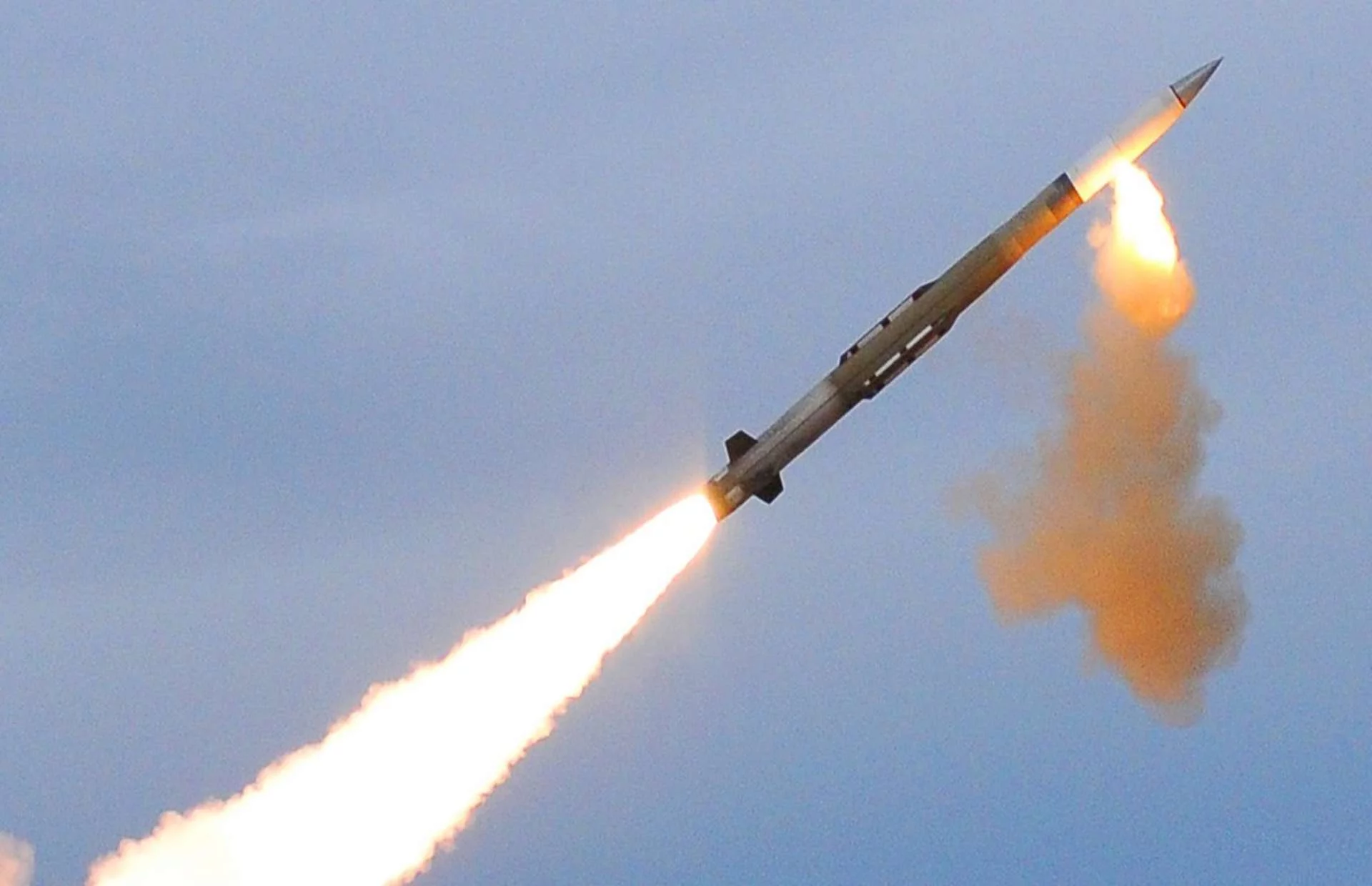
Boeing has announced a major expansion of its missile defense manufacturing capacity, confirming that production of Patriot PAC-3 missile seekers will be tripled to meet surging demand from European allies. The company recently completed a new 40,000-square-foot facility dedicated to building the highly sophisticated Ka-band active radar seekers that enable the PAC-3 interceptor’s hit-to-kill accuracy.
Speaking at the Dubai Airshow 2025, Steve Parker, head of Boeing Defense, Space & Security, said the company anticipated the rapid rise in demand well before European nations formally requested additional Patriot components. With countries replenishing stockpiles and sending systems to support Ukraine, Boeing chose to invest early rather than wait for official contracts.
The new seeker production center is designed to eliminate long-standing bottlenecks in electronics manufacturing, precision machining and final system integration. Boeing had already reached record output in 2024 with over 500 seekers, and expects production to grow significantly in the coming years.
The Ka-band millimeter-wave seeker—often unseen but central to the interceptor’s performance—gives the PAC-3 missile autonomous guidance in its terminal engagement phase. This allows the missile to distinguish between decoys, booster stages and an actual warhead, enabling precise kinetic interception of ballistic, cruise and hypersonic threats. The system’s performance has been validated in Ukraine, where Patriot batteries successfully intercepted Russian Kinzhal missiles and other advanced threats since 2023.
With Patriot systems fielded by nearly twenty nations across Europe, the Middle East and Asia, seeker availability has become one of the key pacing factors for global production. European governments have privately acknowledged that manufacturing speed—especially for critical components like seekers—remains the main bottleneck as they seek to expand their defensive networks.
Boeing’s new Huntsville production facility, combined with a recent package of contracts worth roughly $2.7 billion, is part of a broader U.S. effort to reinforce the Patriot supply chain after years of high operational demand. Over the next three to five years, this industrial expansion is expected to translate into more ready launchers and full missile inventories on NATO’s eastern flank, strengthening collective defense against evolving missile threats.
