

Amid shifting strategic realities, France and the United Kingdom have taken a significant step toward closer nuclear cooperation. On July 10, the two nations—Europe’s only nuclear powers—signed a joint declaration on deterrence, affirming that “no extreme threat to Europe would fail to trigger a joint response.” The statement, reported by Libération, signals a potential alignment of French and British nuclear forces in the event of a severe crisis, while maintaining each country’s doctrine of strategic independence.
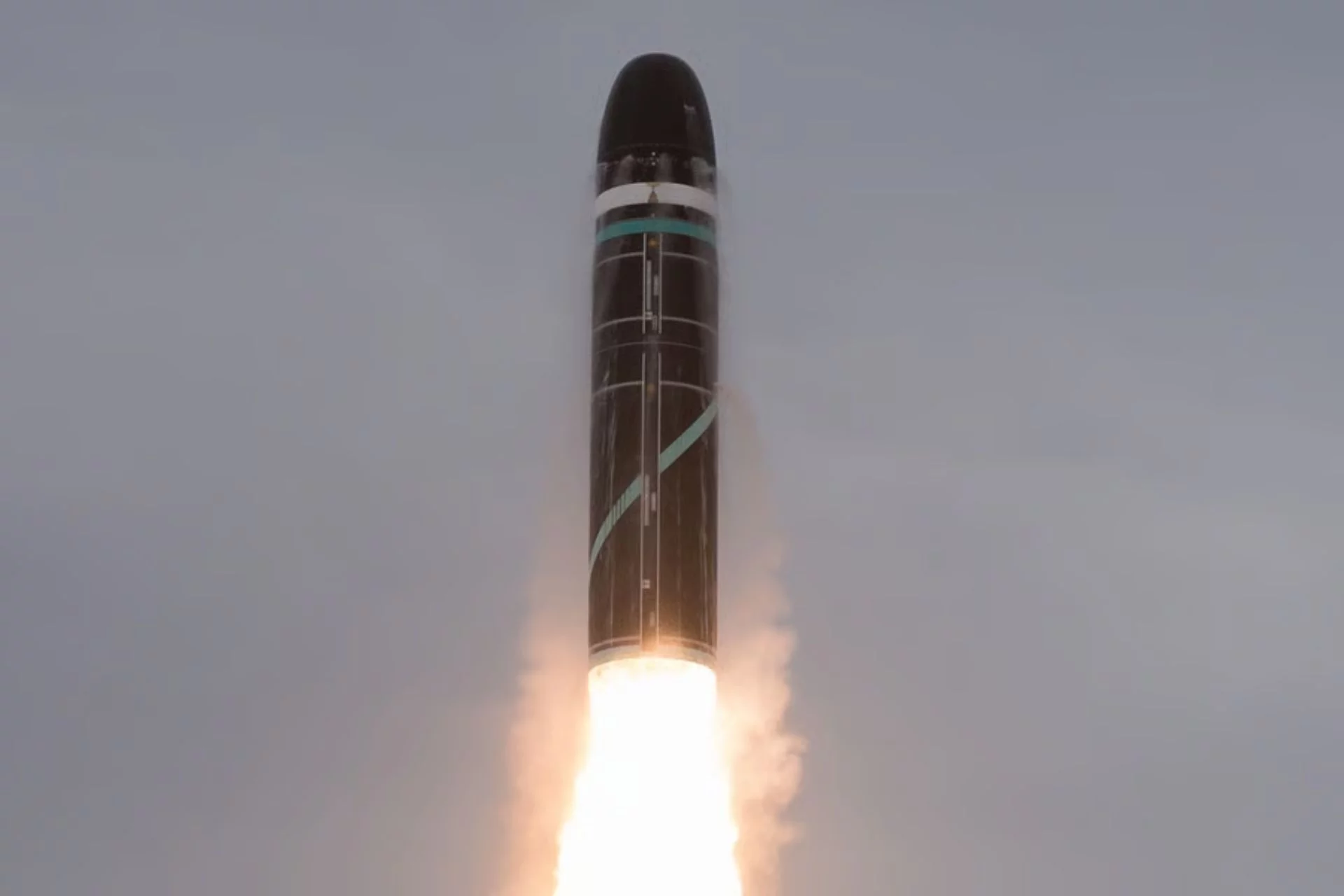
The UK’s nuclear deterrent in 2025 consists of four Vanguard-class ballistic missile submarines, each armed with US-supplied Trident II D5 missiles. Around 120 warheads are deployed from an estimated total of 225, under a Continuous At-Sea Deterrence (CASD) posture ensuring at least one submarine is always on patrol. France’s deterrent combines four Le Triomphant-class submarines armed with M51 missiles and an air-based component of Rafale jets equipped with ASMP-A nuclear missiles, deployable from both land bases and the aircraft carrier Charles de Gaulle. France holds roughly 290 warheads, with around 280 in active service. Both countries retain exclusive national control of their arsenals; the UK is part of NATO’s Nuclear Planning Group, while France preserves full strategic autonomy.
Building on the 1995 Chequers Statement, which recognised the interlinked “vital interests” of both powers, the 2025 declaration goes further by openly referring to potential coordination of nuclear forces. While the specifics of such a response remain undisclosed, the intent is clear: nuclear deterrence remains a viable option against extreme threats to Europe. French President Emmanuel Macron previously underscored in 2020 that France’s vital interests include a European dimension.
The term “extreme threat” is deliberately vague, echoing the flexible definition of “vital interest,” leaving decisions to national leaders. The joint nuclear security group created by this agreement will not merge operational planning, unlike NATO’s structures, but will serve as a forum for strategic dialogue, enabling coordinated deterrence postures during crises without undermining national independence.
The concept of extending French nuclear protection to Europe dates back to the 1960s and was acknowledged by NATO in 1974. Today, the war in Ukraine and doubts over long-term US commitments have revived calls for European strategic autonomy. Macron has promoted this vision since 2017, but shifting geopolitical realities—especially the potential return of Donald Trump and ongoing Russian threats—have made European partners more receptive.
Future Franco-British cooperation will hinge on mutual trust and political consensus. While nuclear command will remain sovereign, options may include joint training, operational support, or deployment of nuclear-capable French aircraft abroad. Without such frameworks, the risk of nuclear proliferation in Europe could rise, as nations might seek their own deterrent capabilities.
France’s doctrine of “strict sufficiency” is now under renewed scrutiny, though its core remains unchanged: to ensure the capacity to inflict unacceptable damage in retaliation, deterring any aggressor. In today’s environment—marked by hybrid, cyber, maritime, and space-based threats—nuclear deterrence is just one pillar of European defence, complementing conventional capabilities and societal resilience.
