

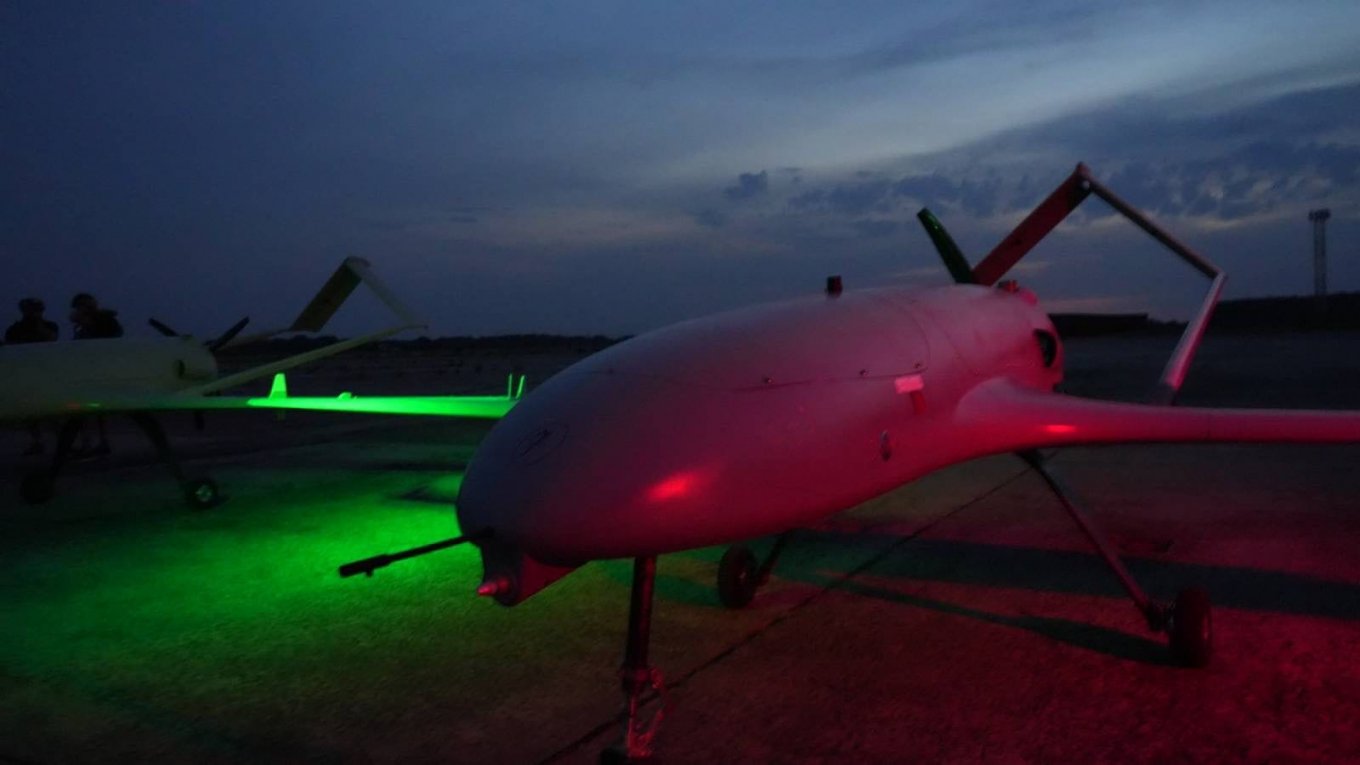
Germany announced a landmark agreement to fund the production of 500 An-196 Liutyi long-range kamikaze drones for Ukraine. This initiative marks Berlin’s first direct investment in the mass manufacture of Ukrainian-made drones, signaling a deepening collaboration between German and Ukrainian defense industries. Moving beyond conventional military aid, Germany’s backing reflects a strategic effort to bolster Ukraine’s capacity for extended-range precision strikes amid the ongoing conflict. According to reports from Russian Tass and Ukrainian Militarnyi, this contract represents a pivotal shift in European support, coinciding with Ukraine’s urgent need to enhance its long-distance operational reach.
The An-196 Liutyi is a sophisticated Ukrainian long-range UAV designed for targeted strikes deep within enemy territory. Capable of delivering a 50-kilogram explosive payload, the drone boasts an operational range near 1,200 kilometers, enabling attacks on vital Russian infrastructure such as refineries and military manufacturing sites. Its aerodynamic design optimizes stealth and fuel efficiency, while advanced guidance systems improve strike precision. The Liutyi’s unit cost is roughly double that of Ukraine’s earlier Bober drone, reflecting its superior range and enhanced capabilities.
The development of the Liutyi arose from Ukraine’s pressing need to disrupt Russia’s logistical networks far behind the frontlines. Operational use has already demonstrated its effectiveness, including strikes like the assault on the Kupol facility in Izhevsk. Ukrainian engineers have continuously refined the drone by incorporating lightweight composite materials and enlarged fuel tanks to extend range, paralleling the evolution seen in comparable Iranian Shahed UAVs, which similarly progressed from short-range to regional strike variants.
When compared to older loitering munitions such as the Bober or Russia’s Lancet, the Liutyi stands apart with its extended reach, larger warhead, and improved stealth features. While the Bober’s maximum range was limited to under 600 kilometers, the Liutyi effectively doubles that radius, providing broader strike options at a fraction of the cost of cruise missiles. This makes it a cost-effective tool for sustained pressure on Russia’s critical infrastructure beyond immediate battle zones.
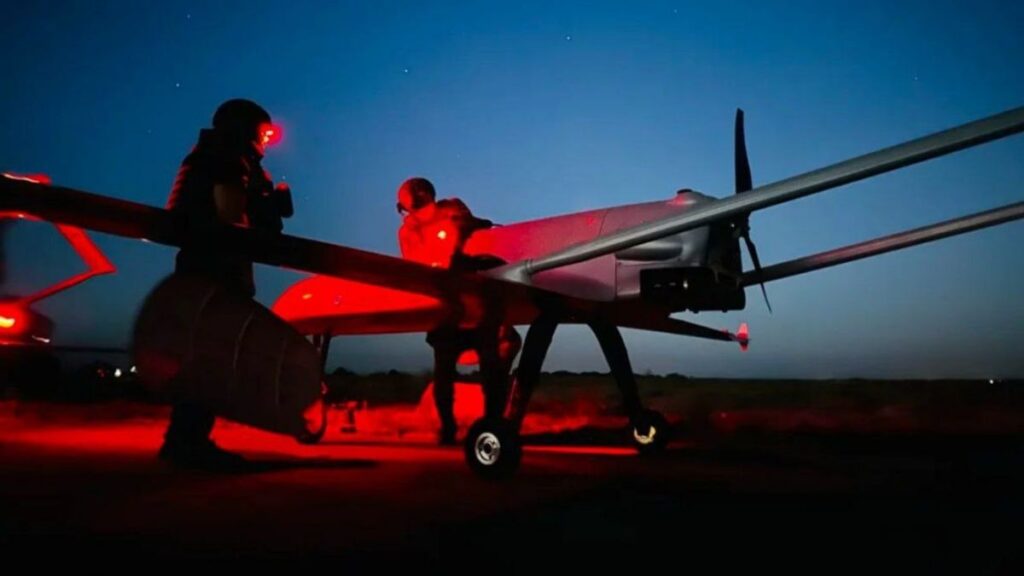
Strategically, Germany’s funding commitment for Liutyi production underscores a growing European readiness to support indigenous Ukrainian defense manufacturing, aiming to shorten delivery times and sustain Ukraine’s drone inventory amid high attrition. Politically, this decision could heighten tensions with Moscow, which views expanded long-range strike capabilities as prolonging the war. Militarily, the enhanced drone fleet allows Ukraine to strain Russian air defenses across wide regions, potentially diverting resources from front-line engagements.
Financially, German media Die Welt describes the deal as involving a “three-digit million euro” investment, marking Germany’s first dedicated contract for long-range drone production. Following Chancellor Friedrich Merz’s pledge to strengthen Ukraine’s stand-off strike capabilities, Germany joins Sweden—which initiated similar funding in November 2024—as a leading European supporter. The agreement also opens prospects for joint ventures extending to drone-launched missile systems like the Bars.
This contract represents more than just a boost to Ukraine’s drone industry; it signals a strategic European commitment to enabling Kyiv to conduct deep strikes on critical Russian targets, influencing the balance of power through enhanced range and operational resilience.
