

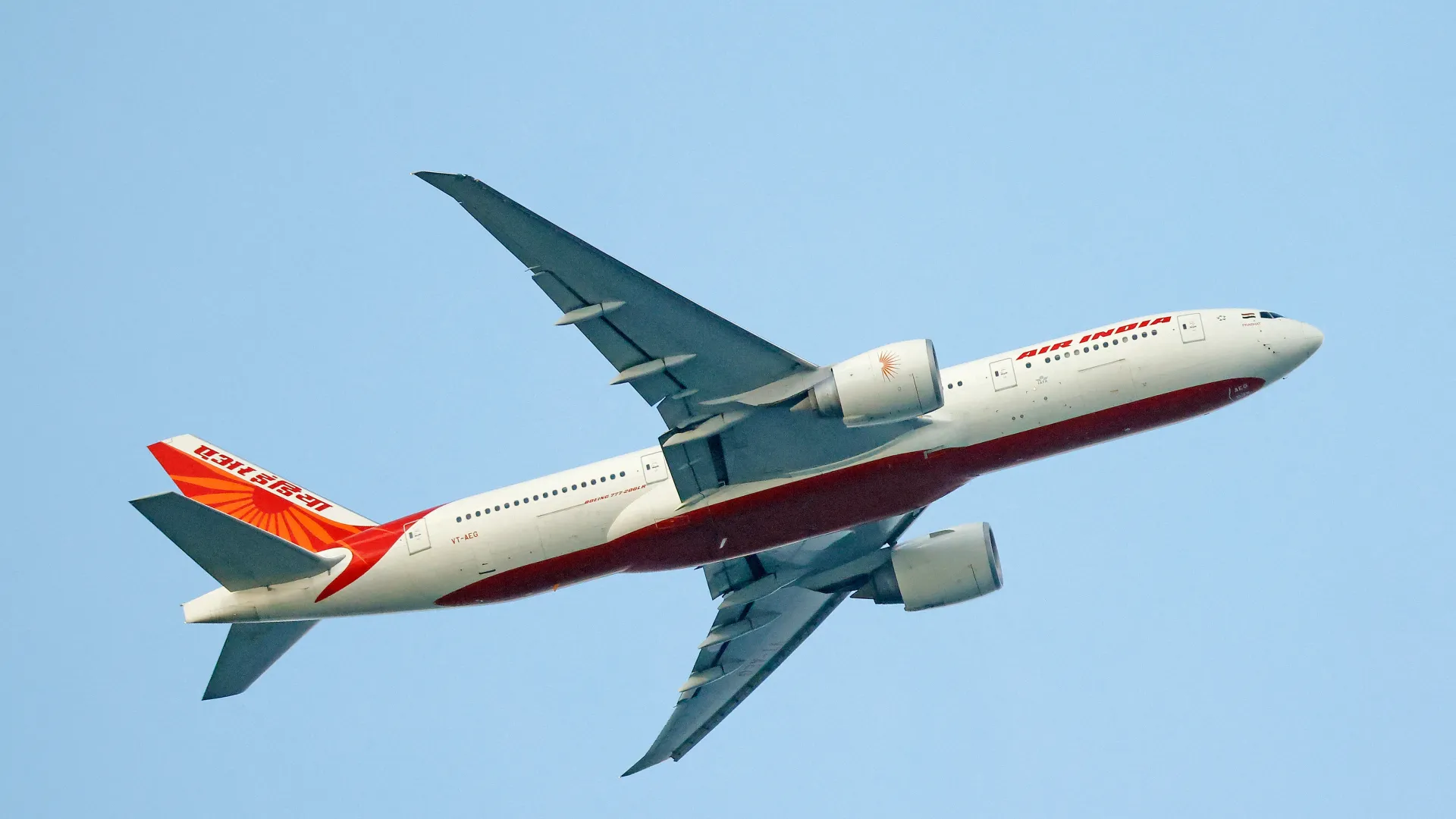
India and Pakistan have both issued new Notices to Airmen (NOTAMs), extending their mutual airspace restrictions until July 24, 2025. The renewed closures prevent airlines from each country from entering the other’s airspace, marking the third consecutive extension amid heightened geopolitical tensions. The restrictions stem from a string of hostile incidents triggered by the deadly April 22 attack in Pahalgam, which left 26 people dead, including civilians and security forces.
In retaliation, India launched “Operation Sindoor” on May 7, targeting alleged terrorist sites in Pakistan and Pakistan-administered Kashmir—an action that escalated hostilities between the two nuclear-armed neighbors.
Timeline of Key Developments:
- April 24, 2025: Pakistan banned Indian-registered civil and military aircraft from its airspace in response to the Pahalgam incident.
- April 30, 2025: India followed suit, closing its skies to Pakistani carriers, including military flights.
- May 23, 2025: Both countries extended their bans for an additional month.
- June 23, 2025: Fresh NOTAMs were issued by both sides, extending the restrictions through July 24.
Per International Civil Aviation Organization (ICAO) protocols, such airspace bans are reviewed monthly and cannot exceed 30 days without renewal, necessitating the repeated updates.
Operational and Financial Impact on Airlines
The continued closure of Pakistani airspace is particularly burdensome for Indian airlines, especially those operating routes to Europe and North America. With access to shorter western routes blocked, carriers must now divert through longer paths, increasing fuel usage, flight duration, and overall expenses.
Campbell Wilson, CEO of Air India, confirmed that westbound flights are now taking up to an hour longer, significantly affecting profitability. Industry analysts estimate that rerouting and other related disruptions could cost Indian airlines over ₹8.2 billion (about $100 million). Air India alone may face an additional financial burden of up to ₹50 billion ($600 million) if the restrictions continue for a full year.
Ultimately, these additional costs could be passed on to consumers through increased ticket prices or fewer available routes.
Wider Implications in Global Aviation
The ongoing airspace restrictions between India and Pakistan mirror a broader pattern in global aviation, where geopolitical conflicts are increasingly disrupting flight paths. Tensions in the Middle East—particularly between Israel and Iran—have already led to widespread airspace avoidance over countries like Iran, Iraq, Syria, and Israel, forcing airlines to divert via alternative corridors such as the Caspian Sea, Egypt, or Saudi Arabia.
The extended closure of airspace between India and Pakistan reflects a deepening strain in their bilateral relations, with substantial consequences for the aviation sector. Without progress in diplomatic dialogue, carriers—particularly Indian ones—are expected to face continued operational hurdles, financial losses, and potential disruption to passenger services.
