

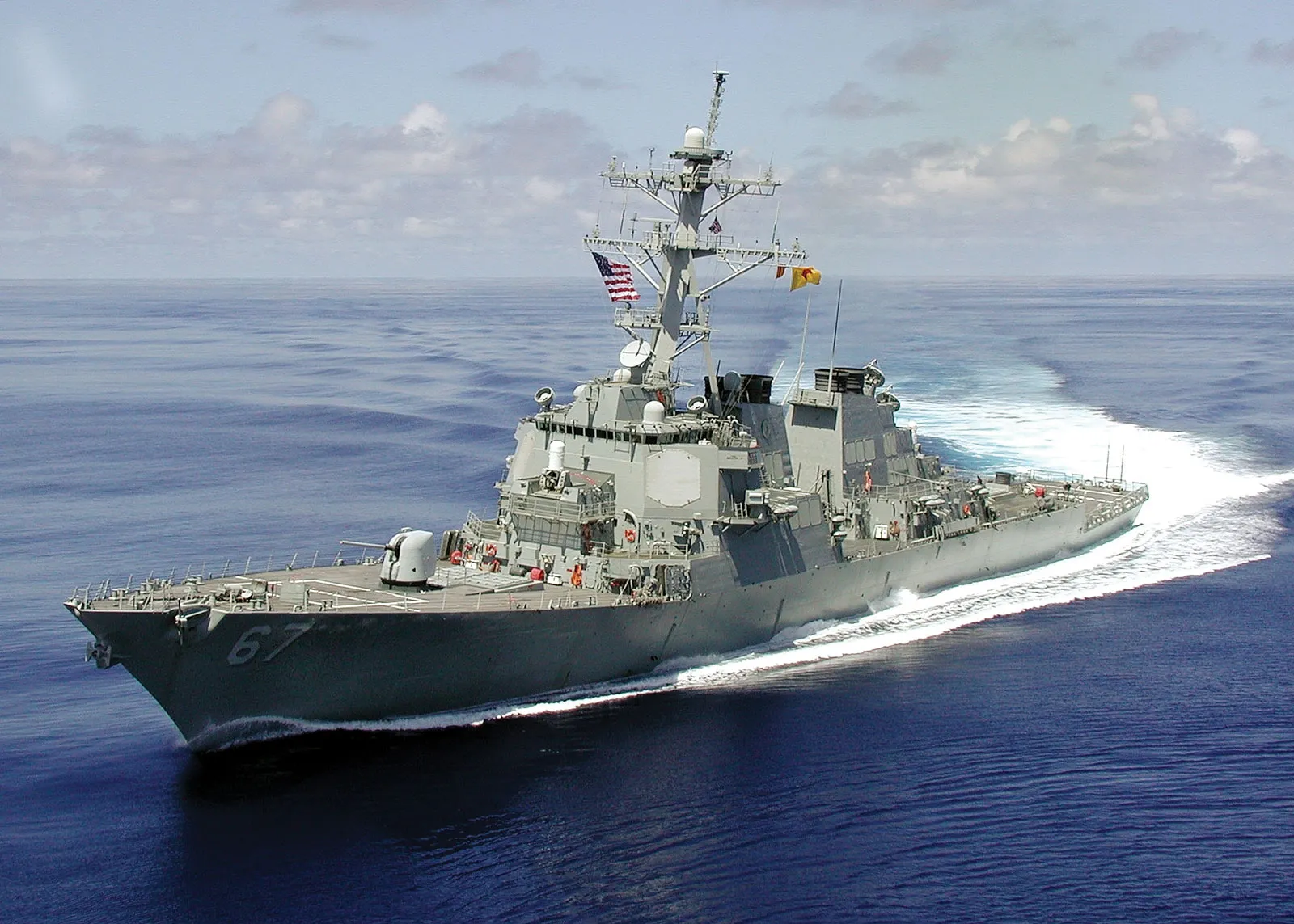
In a landmark step to deepen regional security cooperation, Japan has officially agreed to transfer six Abukuma-class destroyer escorts to the Philippine Navy, signaling a bold shift in Indo-Pacific defense dynamics. The decision, confirmed by Japanese Defense Minister Gen Nakatani and Philippine Defense Secretary Gilberto Teodoro during a bilateral meeting in Singapore in June 2025, was publicly disclosed by Yomiuri on July 6. The transfer reflects Tokyo’s growing willingness to contribute tangibly to the defense postures of its Southeast Asian partners amid mounting regional maritime tensions.
Built during the final years of the Cold War, the Abukuma-class ships were originally tailored for anti-submarine warfare and coastal defense, making them a robust solution for countries facing hybrid maritime threats. With a displacement of over 2,500 tons and armed with naval guns, torpedoes, and close-in defense systems, these warships bring a well-rounded combat capability to the Philippine fleet—particularly at a time when Chinese naval activity is on the rise in the South China Sea.
For the Philippines, which currently operates only two modern frigates, the acquisition is a game-changer. With the Abukuma-class destroyers, Manila gains not only a significant boost in naval tonnage but also access to platforms tested in real-world Japanese Maritime Self-Defense Force (JMSDF) operations. Their arrival is expected to enhance the country’s maritime surveillance, coastal defense, and anti-submarine operations.
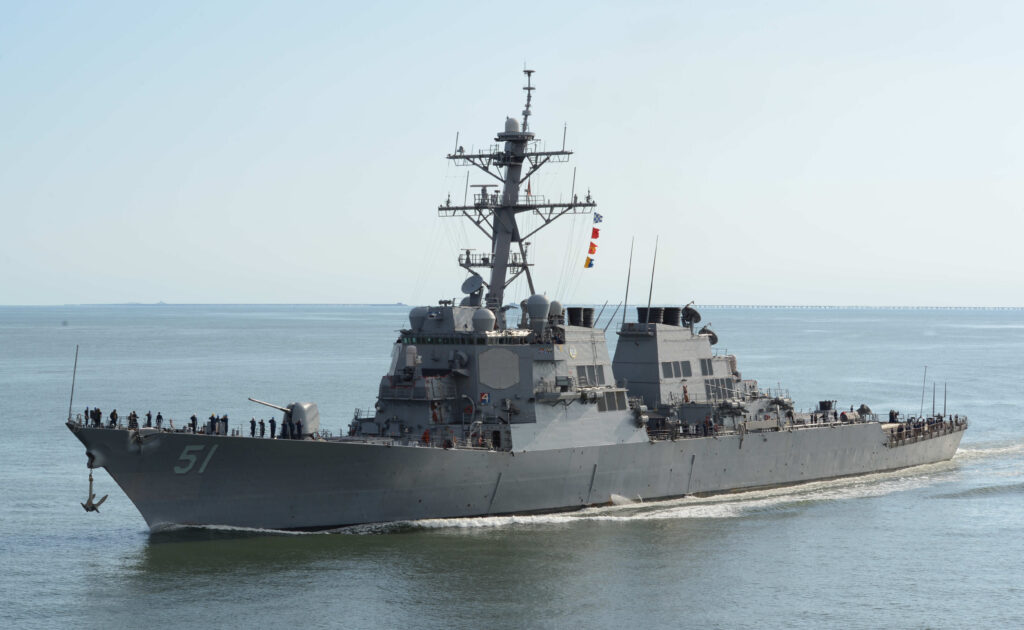
Japan, in turn, benefits from offloading aging vessels amid its ongoing naval modernization while deepening strategic ties with a regional partner facing similar security challenges. With China deploying over 100 surface combatants, according to the Military Balance 2025, the strategic imbalance in the region has placed immense pressure on smaller nations like the Philippines to modernize quickly.
More than a simple asset handover, this agreement marks a growing alignment between Tokyo and Manila. The upcoming Acquisition and Cross-Servicing Agreement (ACSA), which will allow for shared logistics and supply access between Japanese and Philippine forces, indicates the development of a semi-formal alliance architecture. Enhanced interoperability, combined with shared platforms, lays the foundation for future joint operations and intelligence-sharing initiatives in disputed waters.
Strategic voices in Japan have already described the transfer as a tactical move to “monitor and deter Chinese maritime maneuvers” across both the East and South China Seas. In effect, the Abukuma-class destroyers will serve not only as patrol vessels but also as forward-operating symbols of a tightening Japan-Philippines defense partnership—anchored in mutual commitment to freedom of navigation and regional stability.
This transfer underscores a larger trend: the rise of minilateral security pacts and strategic partnerships in the Indo-Pacific. As regional powers band together to offset Beijing’s assertiveness, Japan’s proactive defense diplomacy is quickly becoming a defining force in reshaping the maritime balance of power. The Philippine Navy, soon bolstered by proven JMSDF hardware, now finds itself better positioned in a complex and increasingly contested strategic seascape.
