

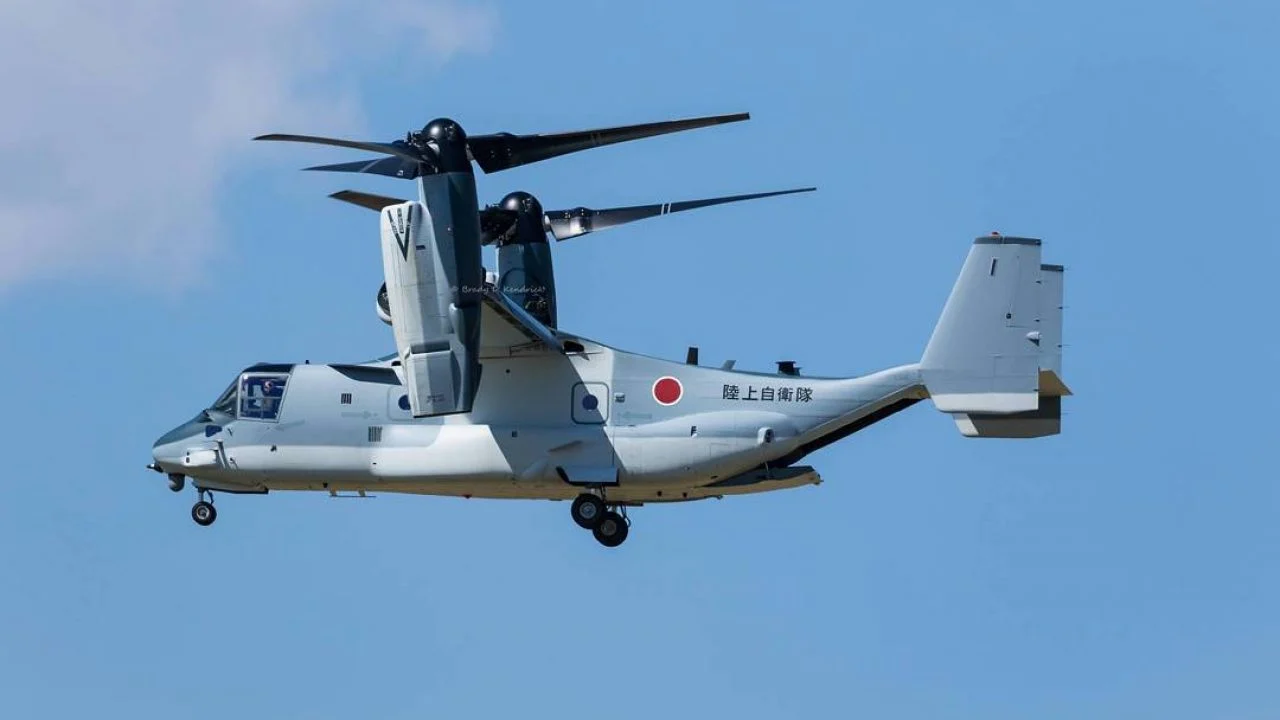
Japan has solidified its defense posture in the face of rising regional tensions by permanently stationing its V-22 Osprey tilt-rotor aircraft at the newly established Camp Saga in Kyushu. As reported by Kyodo News, this strategic move marks a pivotal advancement in Tokyo’s island defense framework, particularly aimed at safeguarding its southwestern island chain amid growing military pressure from China near Taiwan and the East China Sea.
Despite facing local opposition and safety concerns following past accidents, including a fatal 2023 U.S. Air Force crash off Yakushima, the Japanese government has pressed ahead. The deployment underscores Japan’s intent to achieve rapid force mobility and deterrence as core pillars of its national security agenda.
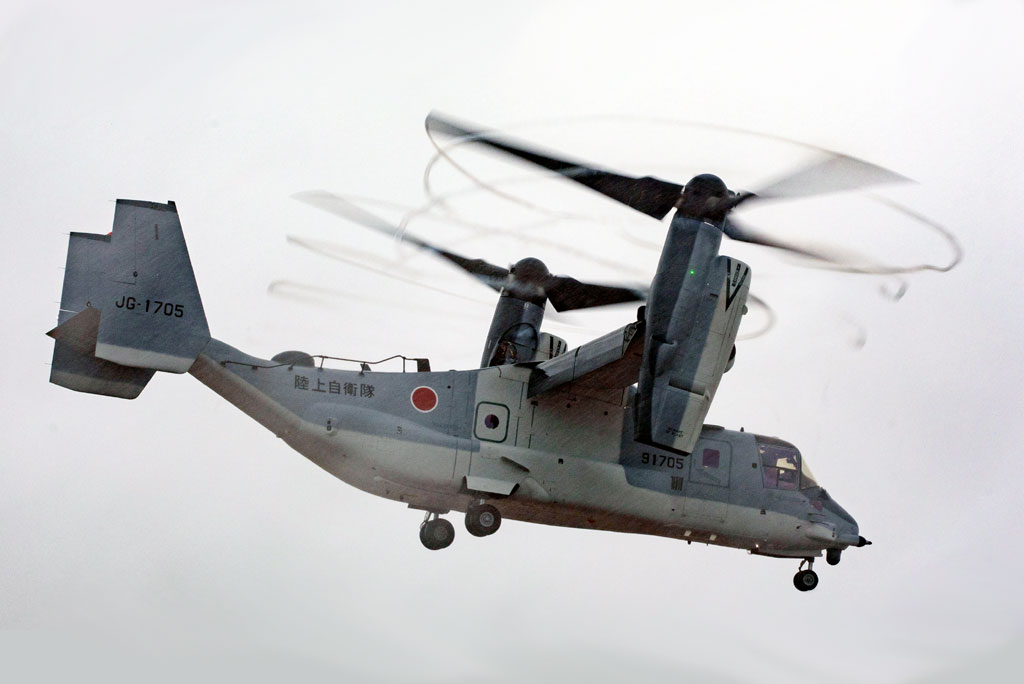
Developed jointly by Bell and Boeing, the V-22 Osprey blends the vertical lift capability of a helicopter with the speed and range of a fixed-wing aircraft. With a top speed of over 500 km/h and a combat radius surpassing 900 kilometers, the Osprey enables Japan’s Amphibious Rapid Deployment Brigade — often referred to as Japan’s equivalent of the Marines — to respond quickly to crises across its scattered island territories.
Originally operating from Camp Kisarazu near Tokyo since 2020, the GSDF’s Osprey program has gradually expanded in tandem with Japan’s push for amphibious operational readiness. The aircraft have taken part in joint training exercises with U.S. forces, reflecting a deepening alliance and an emphasis on interoperability in contested maritime zones.
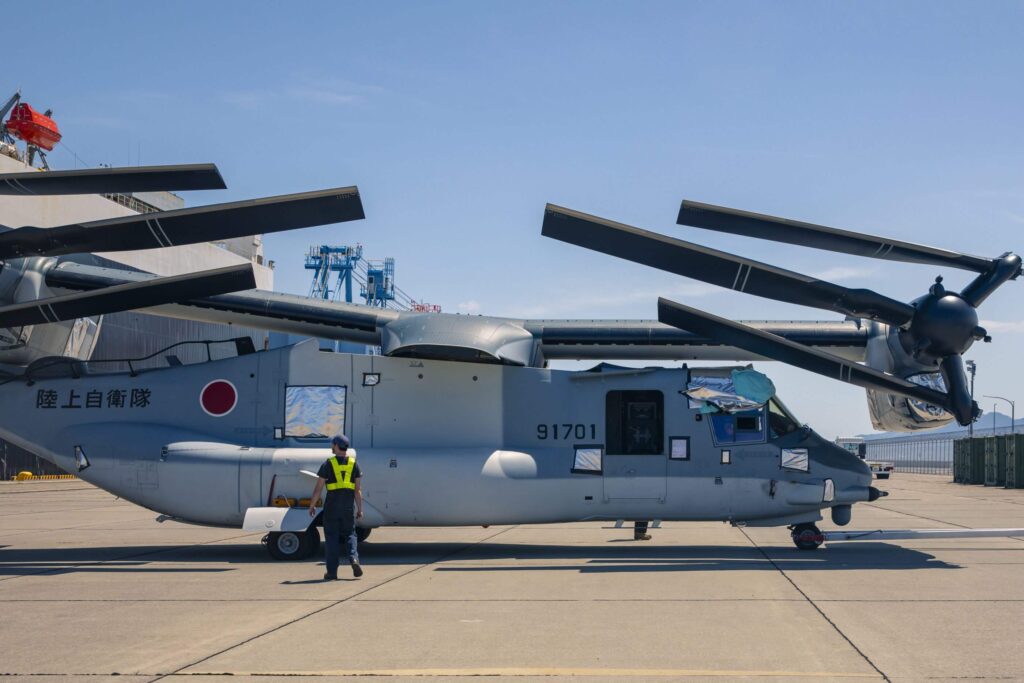
When compared to conventional platforms like the CH-47 Chinook, the V-22 offers faster, longer-range deployment options critical for covering the vast distances between Japan’s outlying islands. Although the Osprey comes with higher maintenance and logistical demands, its strategic value in rapid response and force projection continues to outweigh the drawbacks, especially amid an increasingly unpredictable Indo-Pacific environment.
The positioning of the fleet in Saga places the Ospreys closer to potential flashpoints near Taiwan and the Senkaku Islands. This forward deployment enables swift troop and equipment delivery to frontline islands, enhancing deterrence against Chinese maneuvers and ensuring preparedness for humanitarian assistance or evacuation operations in disaster scenarios.
The move also aligns with Tokyo’s record-breaking 2025 defense budget, which exceeds 7 trillion yen. Under its current contract, the Ground Self-Defense Force is slated to operate 17 Ospreys, with final deliveries to Camp Saga expected by August. To ease public apprehensions, Japan has bolstered local maintenance capabilities and reinforced safety protocols around the base.
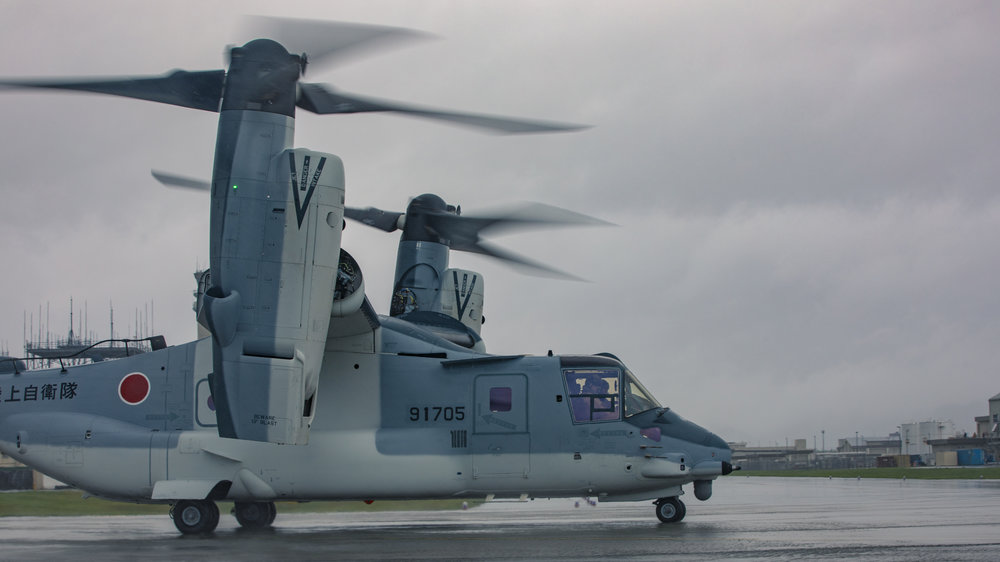
Inaugurating Camp Saga as the Osprey’s permanent home is more than a logistical shift — it is a clear strategic message. As the Indo-Pacific security landscape becomes more volatile, Japan is signaling its readiness to act swiftly and decisively in defense of its territorial integrity. The Osprey’s deployment serves as a visible marker of Japan’s evolving doctrine: mobility, speed, and reach are now central to deterring threats and securing peace across its maritime periphery.
