

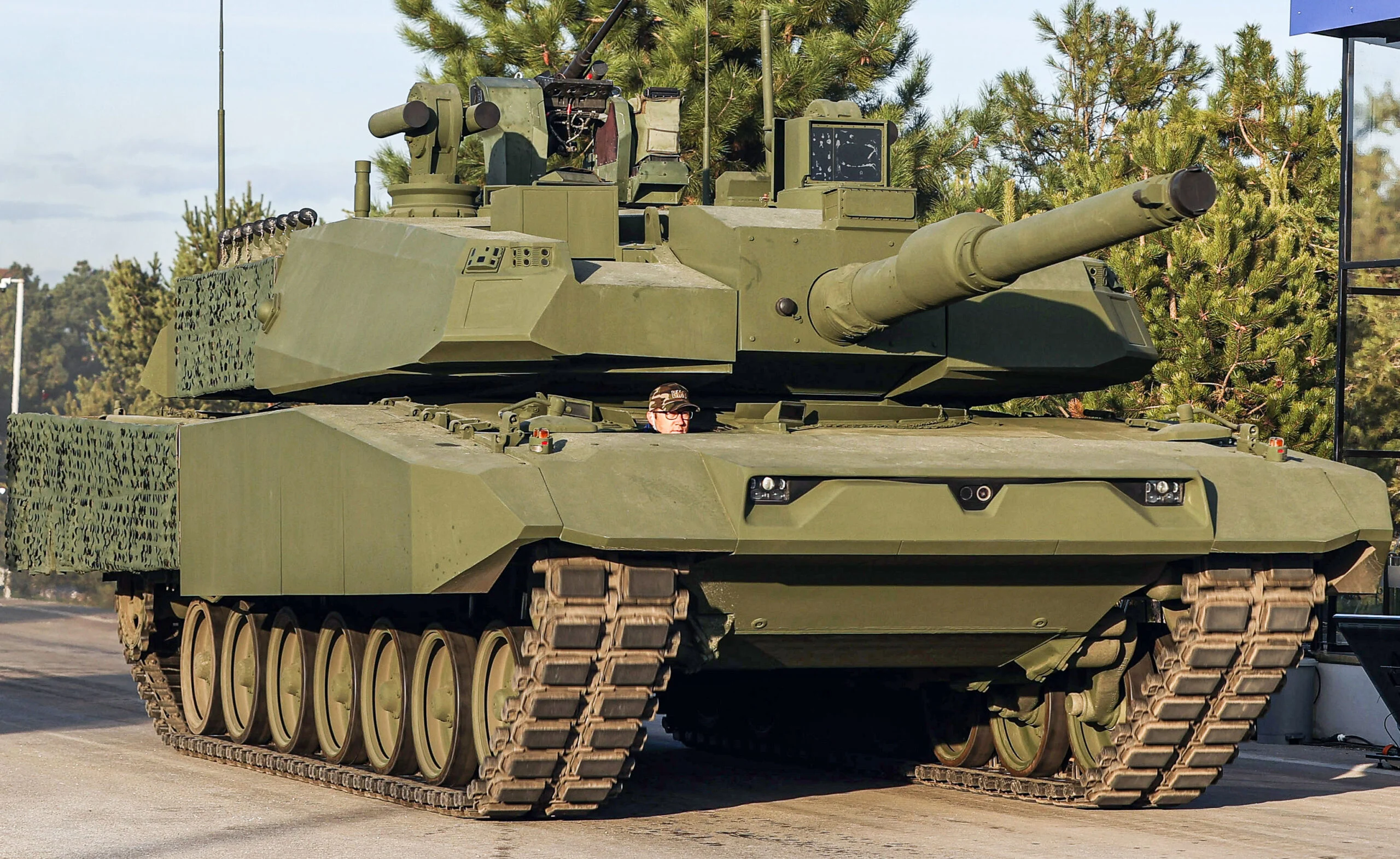
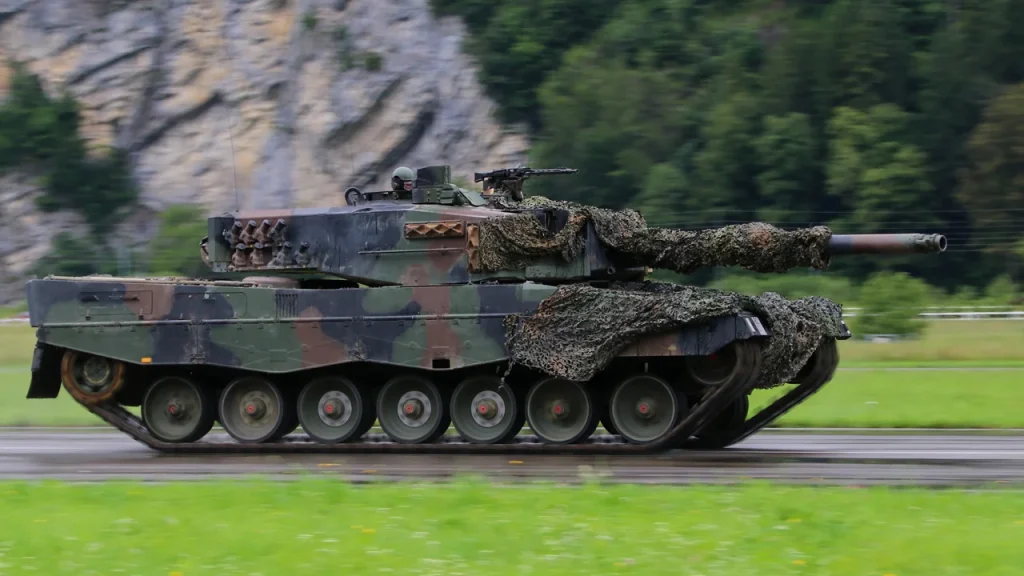
The Leopard 2A4, a cornerstone of Germany’s armored power, continues to stand strong as one of the most widely used and battle-proven main battle tanks in the world. Developed by Krauss-Maffei Wegmann (KMW) as the successor to the Leopard 1, the 2A4 variant has become the most prevalent version of the Leopard 2 family and remains in active service across more than a dozen countries.
A Legacy of Performance and Reliability
The Leopard 2 program began in 1977, when the German Army selected KMW as the prime contractor, commissioning the production of 1,800 Leopard 2 tanks. The first units were delivered in late 1978, with full-scale production ramping up by the early 1980s. Over the years, the Leopard 2A4 established itself not only as a mainstay in the German arsenal but also as a preferred option for many NATO and allied forces.
Global Deployment and Recent Transfers
Today, the Leopard 2A4 is actively used by nations such as Germany, Turkey, Poland, Finland, Austria, Canada, and more. Notably, in the wake of the Ukraine conflict, this tank became a key asset in international military aid.
Several European countries and NATO allies—including Germany, Poland, Spain, Canada, Norway, Slovakia, and the Czech Republic—have either pledged or delivered Leopard 2A4 tanks to support Ukraine. As of 2023, dozens of these tanks have already been transferred, underlining the global reliance on the Leopard 2A4 platform for immediate operational readiness.
Advanced Capabilities in Armament and Mobility
Equipped with the Rheinmetall 120 mm smoothbore gun, the Leopard 2A4 can fire a range of advanced ammunition types, including APFSDS-T and HEAT-MP-T, making it lethal against both armored and soft targets. Its digitally integrated fire control system allows precise target engagement at long ranges—even while on the move.
The tank also boasts an MTU MB 873 Ka-501 turbocharged diesel engine, enabling it to reach road speeds of up to 72 km/h, and cover distances up to 550 km on a full tank.
Evolving With the Battlefield
Although newer variants like the Leopard 2A6 and 2A7 have been introduced, the 2A4 remains a robust, upgradable platform. Many nations have added modular armor, advanced optics, and survivability packages to extend the operational lifespan of their 2A4 fleets.
In 2024, the Czech Republic confirmed plans to procure 14 additional Leopard 2A4s, which will boost its 73rd Tank Battalion’s strength to 42 vehicles by 2026—highlighting the ongoing strategic importance of this legacy system.
Leopard 2A4 Technical Specifications
| Category | Details |
|---|---|
| Armament | 120mm L55 smoothbore gun, 7.62mm coaxial MG, 7.62mm loader hatch MG |
| Armor | Spaced multilayer armor, turret spall liners for crew protection |
| Users | Austria, Canada, Chile, Czech Republic, Denmark, Finland, Germany, Greece, Indonesia, Norway, Poland, Portugal, Singapore, Switzerland, Sweden, Slovakia, Spain, Turkey, Ukraine |
| Weight | 62,000 kg (combat loaded) |
| Country of Origin | Germany |
| Speed | 72 km/h (maximum road speed) |
| Range | 500–550 km (depending on terrain) |
| Accessories | Infrared night vision, NBC system, electric bilge pump, escape hatch |
| Crew | 4 (Commander, gunner, loader, driver) |
| Dimensions | Length: 7.70 m; Width: 3.70 m; Height: 3.00 m |
With a legacy spanning nearly five decades, the Leopard 2A4 is not just a tank—it is a symbol of engineering resilience and global defense collaboration. Its continued presence on the modern battlefield, especially in high-stakes regions like Ukraine, is a testament to its design, adaptability, and battlefield credibility.
