

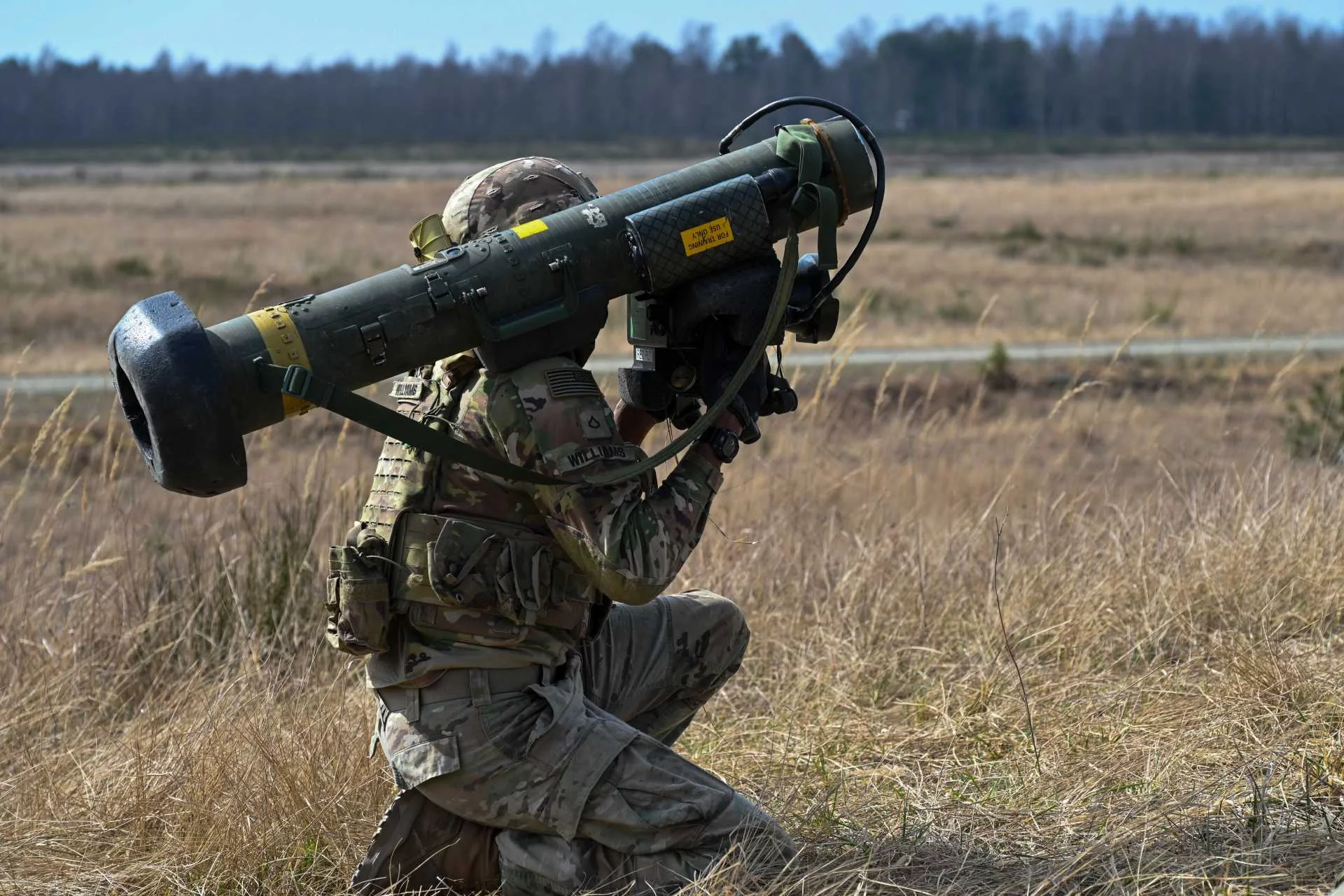
In response to rising global tensions and demand, Lockheed Martin is undertaking a sweeping upgrade of its Javelin missile production capabilities. Through the Javelin Joint Venture (JJV) with Raytheon, the company aims to ramp up annual production from 2,400 to nearly 4,000 units by the end of 2026—an ambitious 65% increase that signals the missile’s strategic importance across multiple theaters of operation.
The production surge is being matched by a comprehensive overhaul of Lockheed’s infrastructure and manufacturing processes. Facilities in Alabama and Florida are receiving cutting-edge test and automation systems designed to streamline output while ensuring cybersecurity compliance and industrial agility. A key element of this transformation is the introduction of digital tools like SystemLink, which integrates real-time data into quality control and production oversight.
The Javelin missile, officially designated FGM-148, is a portable, shoulder-launched anti-tank weapon system known for its fire-and-forget technology. Since its deployment in the 1990s as a successor to the M47 Dragon, it has proven indispensable to infantry units across the globe. Its advanced optics and dual-mode attack capabilities—top-down for tanks and direct for bunkers—allow it to neutralize heavily armored targets at distances of over 4,000 meters.
The weapon gained renewed international acclaim during the Ukraine conflict, where it was used extensively to halt Russian armored advances. Lightweight, easy to operate, and deadly accurate, the Javelin became a symbol of resistance and tactical superiority. Ukrainian forces deployed it with devastating effect, taking advantage of its top-attack mode and rapid redeployment features to ambush armored columns from forests, rooftops, and urban positions.
Combat data gathered in Ukraine affirmed the Javelin’s effectiveness against both traditional armor and modern active protection systems, even under the stress of sustained combat. These real-world results have driven increased interest among NATO members and Indo-Pacific partners alike, many of whom face evolving high-intensity threat scenarios.
To meet the swelling demand, Lockheed Martin is rolling out a new generation of cyber-secure testing stations across its production hubs—14 in Troy, eight in Ocala, and two in Huntsville. The updated systems not only test four missile seekers at once—quadrupling existing throughput—but also support full-scale quality assurance and environmental resilience evaluations.
The modernization project is being carried out in close coordination with suppliers, helping expand capacity across the entire supply chain. Its modular testing infrastructure could also enable co-production agreements with allied nations in the future, offering a path toward shared defense manufacturing within strict regulatory frameworks.
Ultimately, Lockheed Martin’s ongoing investment in the Javelin program is not just about scaling production—it’s about future-proofing one of the most proven and adaptable anti-armor systems available today. As geopolitical uncertainty continues to mount, the Javelin remains a key pillar of deterrence and modern ground warfare strategy worldwide.
