

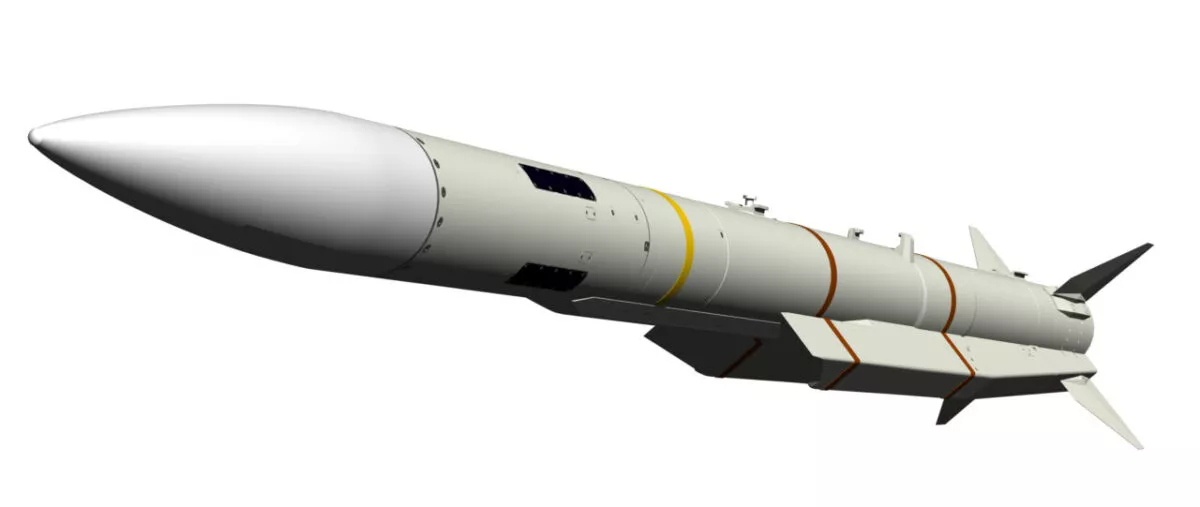
The Meteor is a state-of-the-art beyond visual range air-to-air missile (BVRAAM), developed by MBDA to provide unmatched capability in air combat. Created through the collaboration of six European nations, the Meteor is designed to counter both current and emerging aerial threats, setting a new standard in long-range missile performance.
Multinational Cooperation and Strategic Vision
Initiated in the 1990s to replace the Skyflash missile on the Eurofighter Typhoon, the Meteor project quickly grew into a symbol of European defense collaboration. The United Kingdom, Germany, Italy, Spain, Sweden, and later France joined forces to develop a weapon system that would ensure European operational independence in air-to-air engagements.
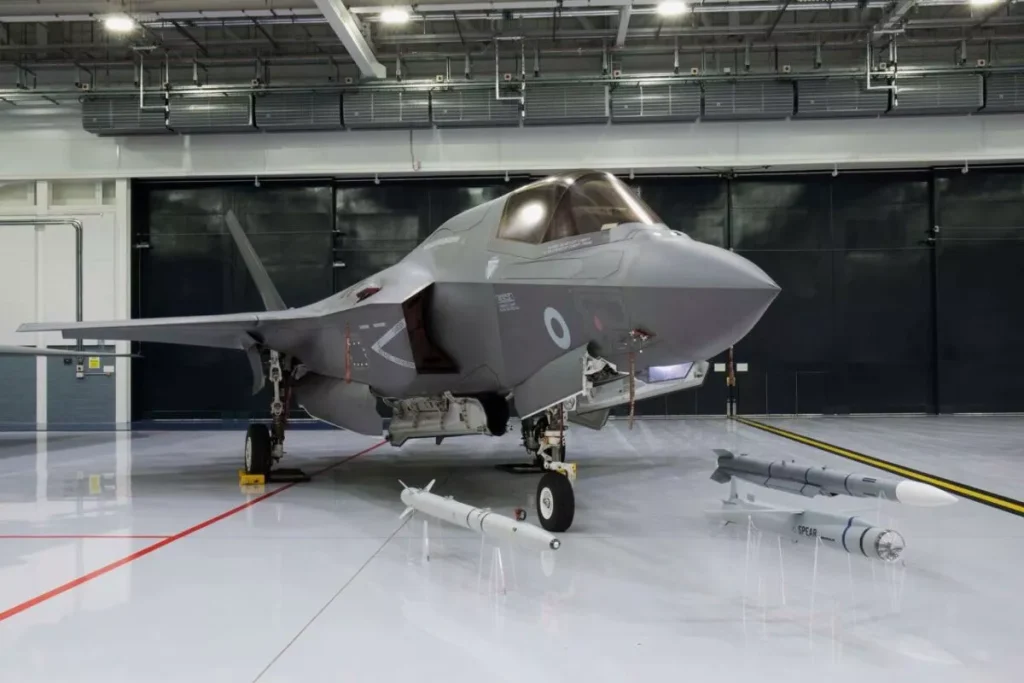
Though originally centered around the Typhoon, Meteor has since expanded in scope, with integration efforts underway for platforms such as the F-35B. Its development reflects a strategic goal: to reduce dependence on non-European systems while creating a fully interoperable, export-friendly missile.
Advanced Technological Features
Meteor’s technical superiority lies in several key components:
- An active radar seeker allows the missile to lock onto targets under all weather conditions, even in environments with heavy electronic countermeasures.
- The missile supports data link communication, enabling in-flight target updates from third-party sources. This enhances tactical flexibility and aligns with modern network-centric warfare principles.
- It can engage a wide variety of airborne threats, from fast-moving fighter aircraft to cruise missiles and small unmanned aerial vehicles.
- Designed for high maneuverability and long-range engagement, it remains effective throughout the entirety of its flight envelope.
Ramjet Propulsion and High-Energy Terminal Phase
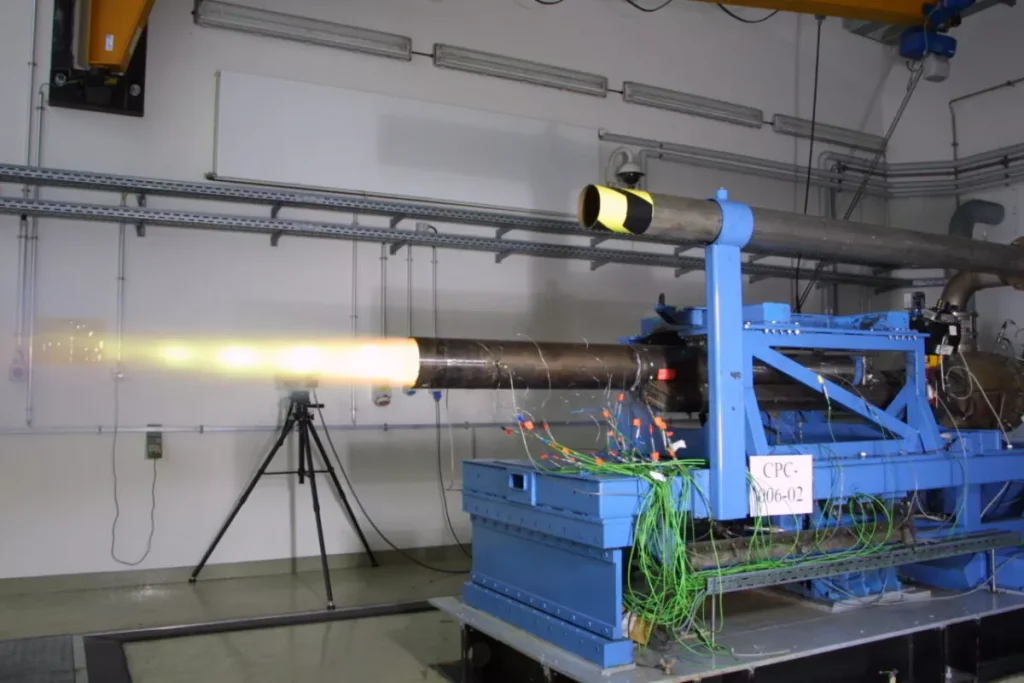
One of Meteor’s most distinguishing characteristics is its air-breathing ramjet engine. Unlike traditional solid-fuel missiles, Meteor maintains sustained propulsion during its flight, allowing for greater energy at long distances. This not only extends its operational range but also ensures it can outmaneuver evasive targets even in the final phase of engagement.
Development History and Industrial Landscape
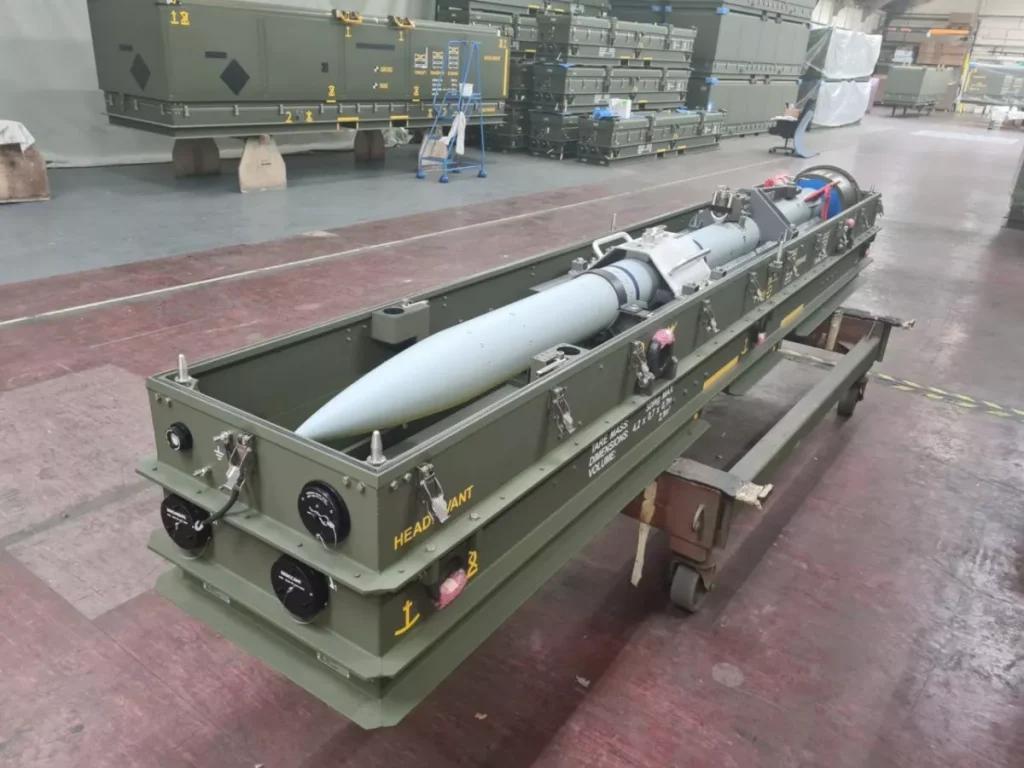
Meteor’s origins trace back to the UK’s Future Medium Range Air-to-Air Missile (FMRAAM) requirement in the early 1990s. Initially, two proposals emerged: one from Hughes (based on an upgraded AMRAAM) and one from a BAE-led consortium with the S225X/S225XR concepts. As political and strategic factors came into play, the desire for a European solution grew stronger.
In 1996, BAE partnered with Matra, Saab, GEC Marconi, Daimler-Benz LFK, and Alenia to create the foundation for what would become the Meteor. Despite initial uncertainties, the UK Ministry of Defence awarded both Hughes and BAE funding for risk-reduction studies.
By 1998, five European nations signed a statement of intent to support Meteor, followed by France’s entry into the program. In May 2000, the UK formally selected Meteor, and the program continued under the newly formed MBDA. This marked a turning point for European missile development and industrial cooperation.
Integration and Spiral Development
Meteor is currently operational with Eurofighter Typhoon and Saab Gripen. Integration with the F-35B is ongoing. The missile is continually updated through a spiral development strategy to meet evolving battlefield requirements. Updates in 2022 and 2023 (designated SP1.1 and SP2) further enhanced its resistance to countermeasures and improved overall performance.
Key Technical Features
| Feature | Specification |
|---|---|
| Propulsion | Air-breathing ramjet |
| Seeker | Active radar |
| Operational Range | Over 100 kilometers (classified) |
| Data Link Capability | Yes |
| Maneuverability | High, sustained throughout the flight path |
| Compatible Platforms | Typhoon, Gripen, F-35B (integration in progress) |
| Service Entry | 2016 (initial operational capability with Typhoon) |
Meteor is not just a missile; it is a strategic asset reflecting Europe’s commitment to self-reliant defense and technological innovation. With its advanced propulsion, guidance capabilities, and unmatched performance in complex environments, Meteor continues to define the future of beyond visual range air-to-air combat.
