

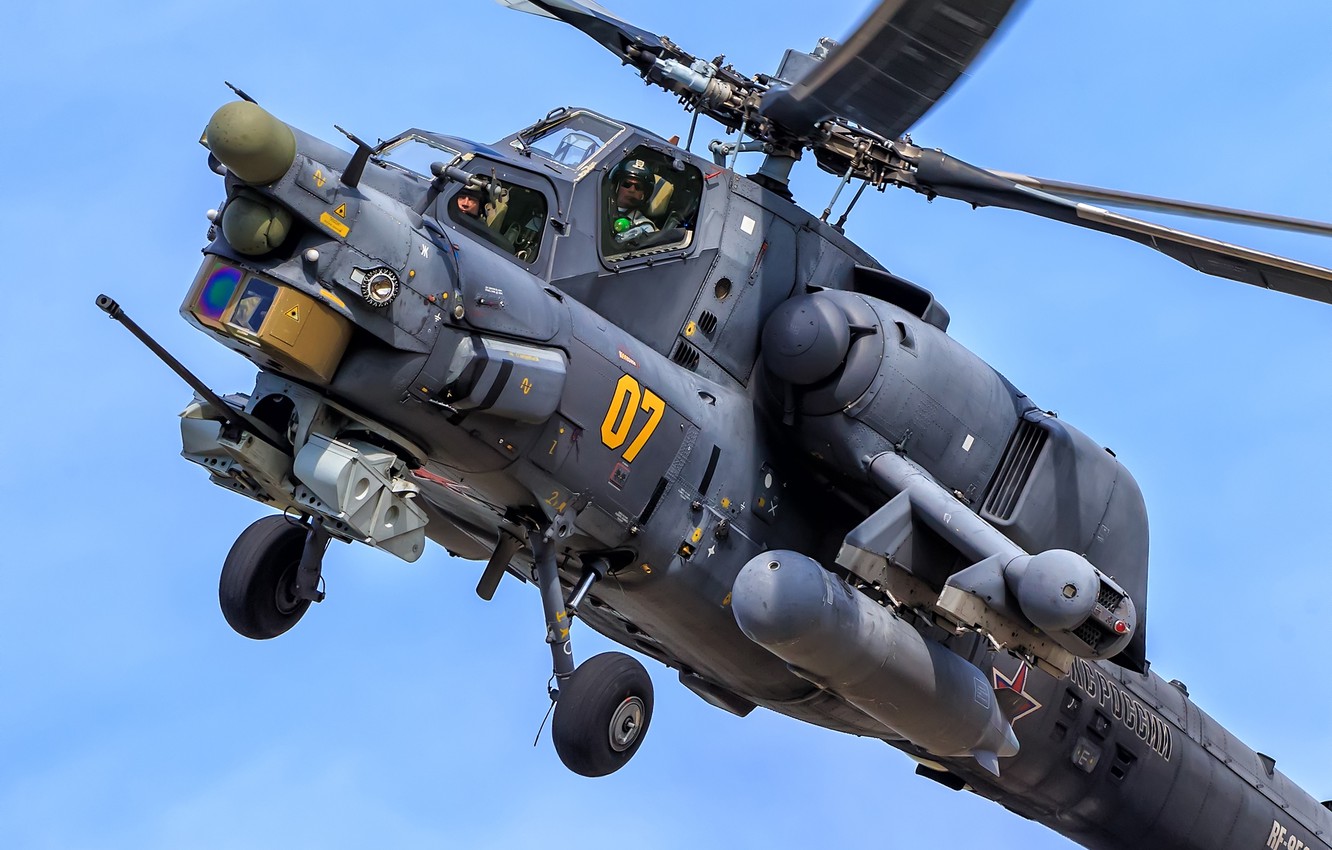
The Mil Mi-28, known by NATO as the “Havoc,” is a twin-seat anti-tank attack helicopter developed during the Soviet era and remains one of Russia’s key assault helicopters today. Designed to operate effectively in all weather conditions, day or night, the Mi-28 is a specialized attack helicopter optimized without troop transport capabilities. It is especially designed to combat tanks and armored vehicles.
Development and Technical Overview
The development of the Mil Mi-28 began in the 1970s, aiming to create a more aggressive attack helicopter by sacrificing the troop transport capacity of the Mi-24. Design work started in the 1980s, and the helicopter made its maiden flight in 1982. However, with Soviet priorities shifting to the Kamov Ka-50, the Mi-28’s development slowed down.
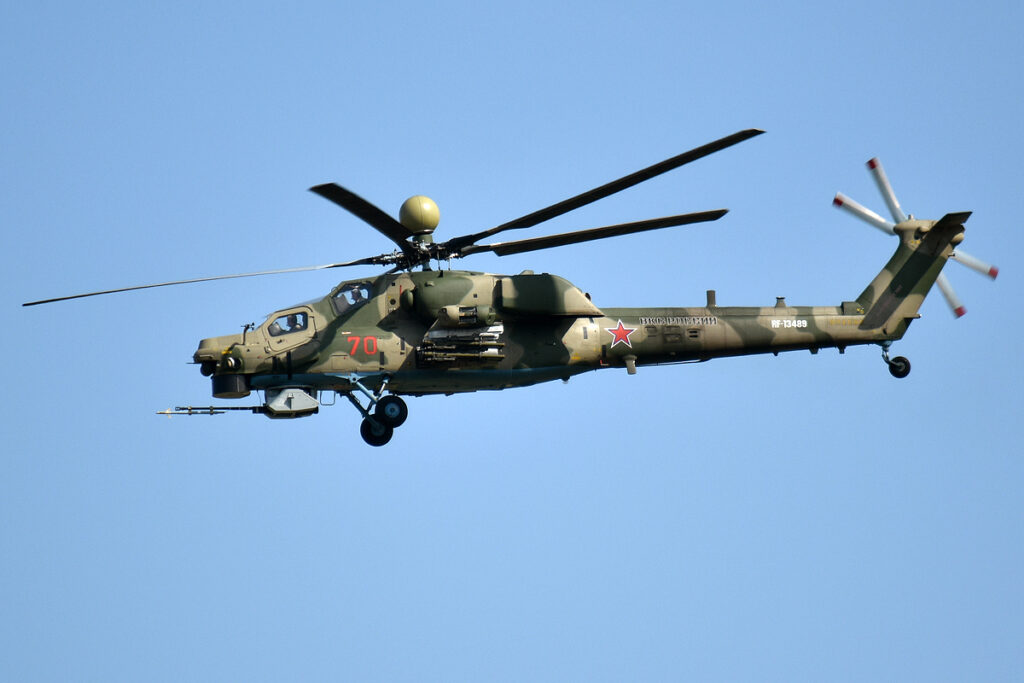
In 1995, the night-attack version Mi-28N was introduced. This variant features a radar mounted above the main rotor to enable high-performance night missions. The first production Mi-28N helicopters were delivered to the Russian army in 2006, with plans to replace the Mi-24 entirely by 2015. Equipped with advanced targeting systems, armored protection, and a 30 mm Shipunov automatic cannon, the Mi-28N packs considerable firepower.
Powered by two robust turboshaft engines, the helicopter carries a nose-mounted cannon, various guided and unguided rockets, and 9M120 Ataka anti-tank missiles. Its wide arsenal makes it effective against both ground and aerial targets.
Operational Use and Modernizations
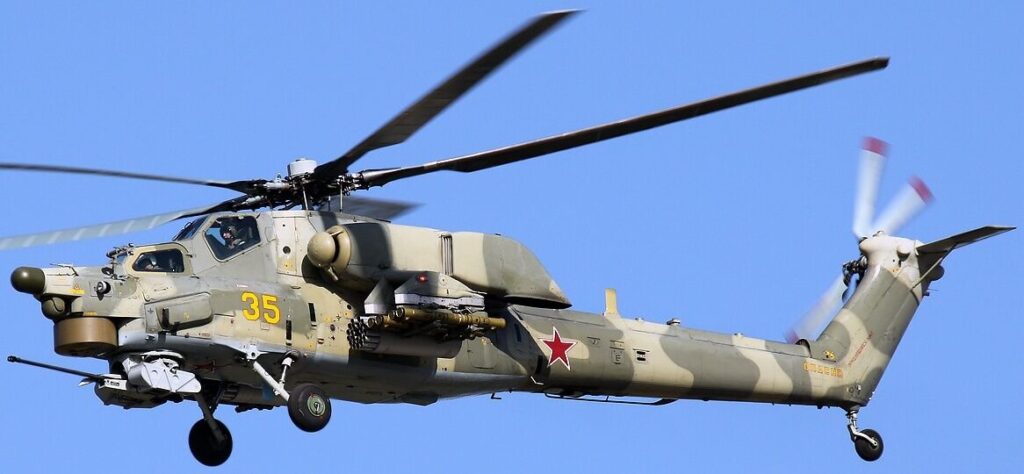
Russia began deploying the Mi-28N in 2006 and anticipated full replacement of the older Mi-24 variants by 2015. The Mi-28N saw active combat in Russia’s military intervention in Syria, where it supported ground forces using unguided S-8 rockets and guided 9M120 Ataka missiles against ISIS positions.
The upgraded Mi-28NM version, under development since 2009, offers reduced radar signature, higher speed and range, and advanced radar and weapons control systems. The Russian Ministry of Defense received the first Mi-28NMs in 2019 and plans to procure approximately 100 units by 2027.
International Operators and Export
The export variant, Mi-28NE, serves in the air forces of Iraq, Algeria, and Uganda. Iraq deployed Mi-28NE helicopters in combat operations shortly after receiving them in 2014. Bangladesh and Kenya have also engaged in talks regarding Mi-28 acquisitions, though some orders have been postponed or canceled.
India chose the AH-64 Apache over the Mi-28 but expressed interest in modified Mi-28 versions equipped with Western avionics. Iran also plans to integrate Mi-28 helicopters into its armed forces.
Looking Ahead
The Mil Mi-28 symbolizes Russia’s attack helicopter strength both domestically and internationally. Its durability, powerful weapon systems, and all-weather operational capability keep it a vital asset on modern battlefields. Especially the Mi-28NM upgraded variants will continue to be a crucial element of Russia’s military aviation in the years ahead.
Mil Mi-28 Technical Specifications
| Feature | Value |
|---|---|
| Crew | 2 (1 pilot, 1 weapon systems officer – WSO) |
| Length | 17.01 m (rotors excluded) |
| Wing Span | 4.88 m (stub wings) |
| Height | 3.82 m (to top of rotor mast) |
| Empty Weight | 8,590 kg |
| Gross Weight | 10,700 kg |
| Max Takeoff Weight | 11,500 kg |
| Fuel Capacity | 1,337 kg internal + 445 kg in 4 drop tanks |
| Engines | 2 × Klimov VK-2500 turboshafts, 1,636 kW (2,194 hp) each |
| Main Rotor Diameter | 17.2 m |
| Max Speed | 320 km/h |
| Cruise Speed | 270 km/h |
| Range | 435 km (with 5% fuel reserve) |
| Combat Radius | 200 km (with 5% reserve and 10-minute loiter) |
| Endurance | 2 hours |
| Service Ceiling | 5,700 m |
| Hover Ceiling (OGE) | 3,600 m |
| Rate of Climb | 136 m/s |
| G Limits | +3 / -0.5 |
| Disk Loading | 495 kg/m² |
| Power-to-Weight Ratio | 0.31 kW/kg |
Armament
| Weapon Type | Details |
|---|---|
| Cannon | 1× 30 mm Shipunov 2A42, 250 rounds, ±110° horizontal firing arc |
| Missiles | 16 × 9M120 Ataka-V radio-guided anti-tank missiles |
| Rockets | 40 × S-8 or 10 × S-13 unguided rockets |
| Other Gun Pods | 2 × 23 mm GSh-23L UPK-23-250 gun pods |
| Additional Weapons | 9K121 Vikhr and 9M123 Khrizantema anti-tank missiles, LMUR multipurpose missile, Igla-V and R-73 air-to-air missiles |
| Mines and Bombs | 2 × KMGU-2 mine dispensers and various air-dropped bombs |
