

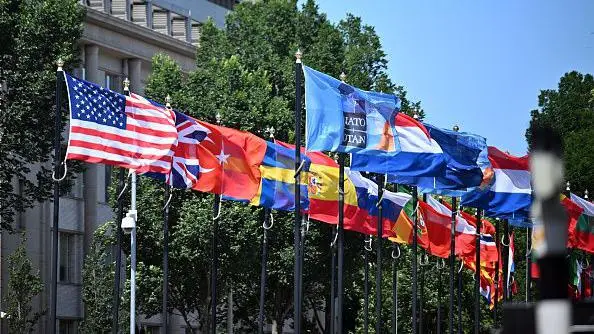
Following the U.S. strike on Iran, all eyes are now on President Donald Trump’s participation in the NATO summit set to take place Tuesday in the Netherlands. This will be Trump’s first NATO meeting since his re-election. Previously, he harshly criticized European allies for relying too heavily on the U.S. for defense. This time, however, he will be met with a more strategic and cautious diplomatic setting.
A diplomat who spoke to the BBC on condition of anonymity stated that Trump’s attendance at the summit was not confirmed until the last moment, saying, “His absence would have been a diplomatic disaster for Europe.” NATO Secretary General Mark Rutte has structured the summit around Trump. European countries agreed to increase their defense spending, and special diplomatic measures were put in place to avoid potential tensions. However, the recent U.S. strike on Iran may disrupt these plans.
Europe Pressured to Take More Responsibility for Its Security
Trump arrives at the summit having secured a promise from European nations to increase their defense spending to 5% of their GDP. This is seen as a diplomatic win for Trump. However, many European countries are struggling to fund these increases. They may need to introduce new taxes or cut back on social spending.
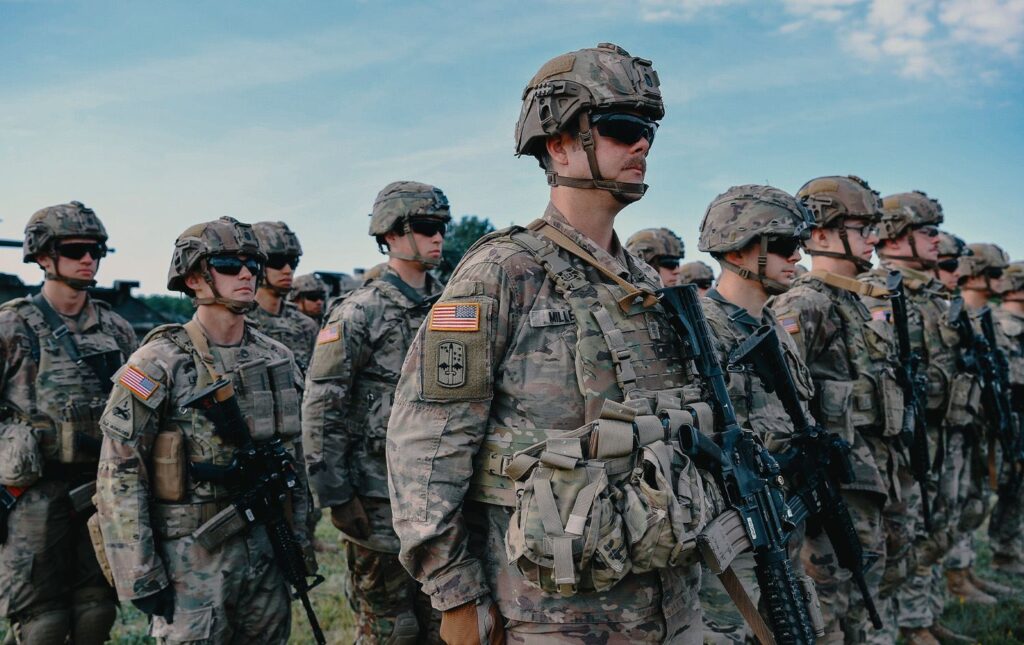
The U.S. currently maintains about 100,000 troops in Europe, with 20,000 stationed in Eastern NATO member states. While Germany and Poland plan to expand their military capabilities in the coming years, Europe still heavily relies on the U.S. for intelligence, air power, and command and control infrastructure. Moreover, the lack of integration among NATO’s 178 different weapon systems weakens the alliance’s overall defense capacity.
The Outcome of the Summit Hinges on Trump’s Stance
Trump’s participation will directly influence the direction and decisions of the summit. According to the U.S. Ambassador to NATO, this meeting will be “historic.” However, it remains unclear whether Trump will withdraw American troops, continue supporting Ukraine, or officially designate Russia as a threat to NATO.
Another senior diplomat described this summit as potentially “the most consequential NATO meeting since the Cold War,” adding that Europe must now take greater responsibility for its own security. This summit could mark a turning point in that direction.
