

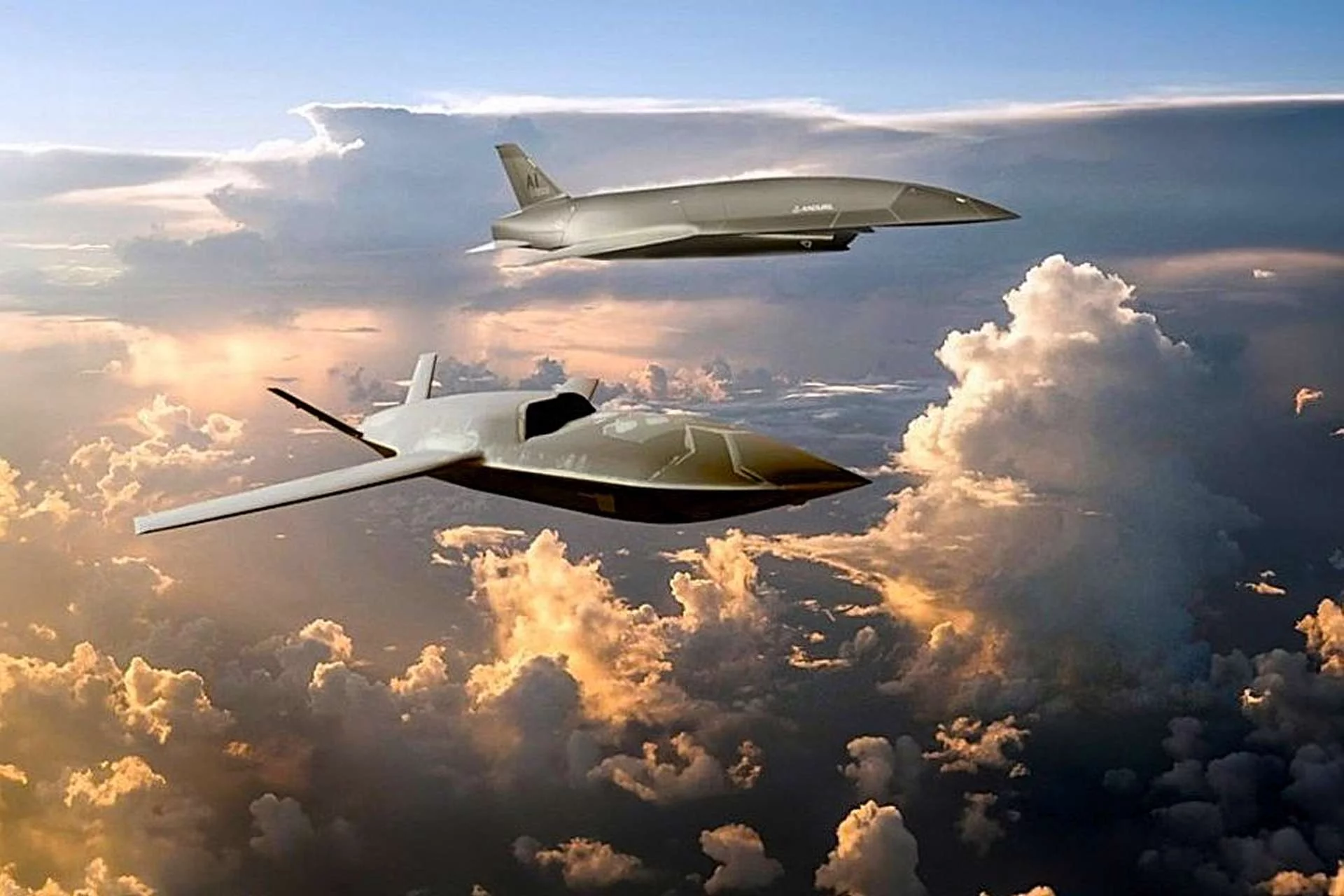
The Netherlands has officially joined the U.S. Air Force’s Collaborative Combat Aircraft (CCA) initiative, a next-generation drone program designed to operate alongside F-35 fighters. This partnership strengthens U.S.-Dutch defense ties and places the Netherlands at the forefront of emerging autonomous air combat technologies.
CCA Participation and Strategic Significance
On October 16, Dutch State Secretary for Defense Gijs Tuinman signed a letter of intent in Washington, formally joining the CCA program. The move reflects a deliberate effort to innovate with pilot-controlled unmanned systems and position the country early in a new operational architecture. As the first European air force in CCA, the Netherlands highlights a closer transatlantic alignment on next-generation airpower.
Manned-Unmanned Teams and Operational Benefits
The Netherlands plans to integrate uncrewed CCA platforms with its F-35A fleet, forming combined manned-unmanned teams. This approach enhances reach, persistence, and strike options, aligning with NATO’s distributed, networked air operations goals. In parallel, the Dutch MoD will collaborate with General Atomics Aeronautical Systems and VDL to produce smaller ISR-focused drones domestically, with initial service entry targeted as early as next year.
Allied Convergence and Shared Vision
This announcement aligns with similar initiatives by NATO allies. For example, Turkey’s ASELSAN recently presented a sixth-generation air combat concept encompassing the KAAN fighter and Turkish drones. The shared trend emphasizes multi-platform data sharing and manned-unmanned integration, reinforcing NATO interoperability if standards and links are harmonized.
Significance of Dutch Participation
By joining CCA, the Netherlands anchors a European F-35 operator within a flagship U.S. autonomous airpower effort while fostering domestic ISR drone production. The move represents a shift toward collaborative air combat across allied nations. Operational benefits will depend on how Dutch participation is scoped, how quickly tactics are validated with NATO partners, and how industrial collaboration translates into deployed capability.
