

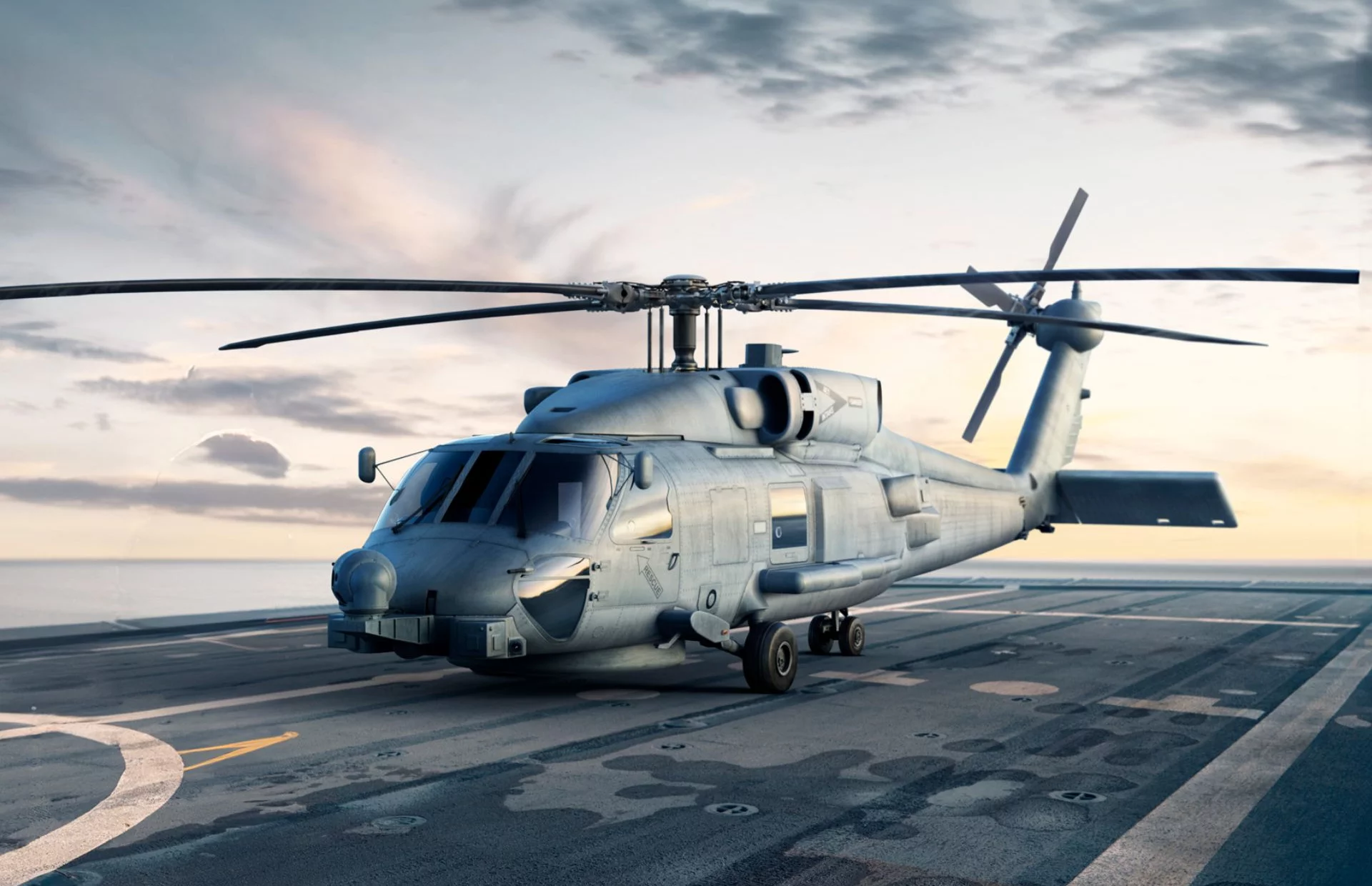
On August 21, 2025, the Government of New Zealand unveiled a $1.6 billion defense modernization package that will reshape the country’s military capabilities over the next decade. The initiative includes the purchase of five U.S.-made MH-60R Seahawk maritime helicopters and two Airbus A321XLR long-range aircraft, marking the first major step under the new Defence Capability Plan. The investment is aligned with Wellington’s objective of raising defense spending to 2% of GDP within the next eight years, signaling a stronger commitment to regional security cooperation, particularly with Australia.
For the Royal New Zealand Navy, the MH-60R represents a transformative upgrade. Operating primarily from ANZAC-class frigates, these helicopters will extend the Navy’s reach far beyond existing limits, with a range exceeding 800 km and advanced multi-sensor systems for anti-submarine warfare, surface surveillance, and maritime interdiction. By integrating seamlessly with Australia’s 24-strong MH-60R fleet and U.S. carrier strike groups, New Zealand will gain full interoperability with its key allies in the Indo-Pacific, enhancing both deterrence and coalition operations.
The procurement of Airbus A321XLRs addresses another long-standing shortfall: strategic airlift and government transport. New Zealand’s aging Boeing 757s, frequently plagued by maintenance problems, will be replaced with modern, versatile aircraft capable of covering distances over 8,700 km and carrying payloads of up to 23 tonnes. These planes will provide flexible support for Pacific operations, humanitarian assistance, and high-level diplomatic missions, while benefiting from global Airbus logistics networks and easier crew training due to commercial fleet commonality.
This announcement comes at a time of shifting security dynamics in the Pacific. China’s increasing naval presence, investments in dual-use infrastructure, and intelligence activities have underscored vulnerabilities in regional surveillance and defense. For New Zealand, traditionally cautious in its military posture, the acquisition of proven U.S. and European platforms marks a deliberate pivot toward stronger defense integration with allies.
Ultimately, the MH-60R and A321XLR acquisitions are more than fleet upgrades—they represent a strategic recalibration of New Zealand’s defense policy. By investing in interoperable, high-end platforms, Wellington is positioning itself as a more capable contributor to Indo-Pacific security and preparing for the strategic challenges of the coming decade.
