

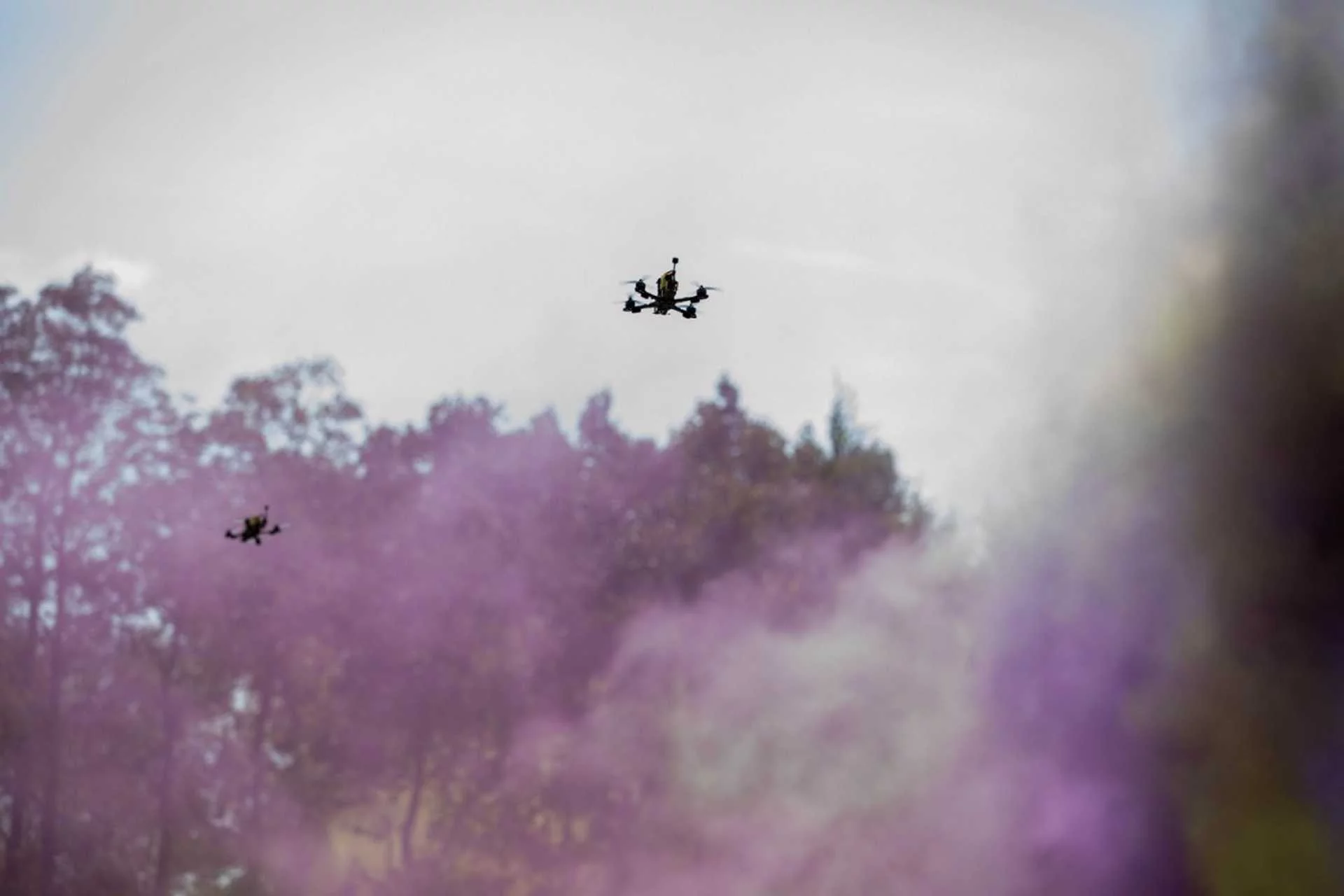
On September 13, 2025, the Oklahoma Army National Guard’s 45th Infantry Brigade Combat Team concluded its training year with Exercise Thunderstruck 2.0 at Camp Gruber Training Center. The event placed soldiers in a simulated battlefield environment, forcing them to detect, jam, and destroy hostile drones in scenarios that reflect how unmanned systems have changed modern warfare.
Electronic Warfare Meets Kinetic Defense
Thunderstruck 2.0 served as a proving ground for integrating electronic warfare, early warning systems, and direct-fire solutions into maneuver formations. Soldiers practiced countering drone swarms while maintaining communications with higher command nodes, stressing both tactical firepower and network resilience. “In recent conflicts, the side that denies the enemy their drone advantage takes the initiative on the ground,” one Oklahoma brigade officer noted.
National Security Implications
The exercise attracted visitors from the National Guard Bureau, active-duty Army units, defense industry representatives, and state emergency management officials. Their presence emphasized that counter-drone operations are as much about homeland security as overseas missions. “This isn’t just a battlefield issue — it’s about protecting critical infrastructure across the United States,” said one emergency management observer.
Preparing for Future Conflicts
Recent wars in Ukraine and the Middle East have accelerated the U.S. military’s push for scalable counter-UAS systems. Oklahoma soldiers trained with jammers, handheld detection devices, and small-arms engagement drills, while industry partners displayed prototype radars and modular jamming systems.
Beyond its technical value, Thunderstruck 2.0 highlighted the Guard’s dual mission: defeating hostile drones abroad and responding to potential domestic threats that could disrupt disaster response or target energy facilities.
