

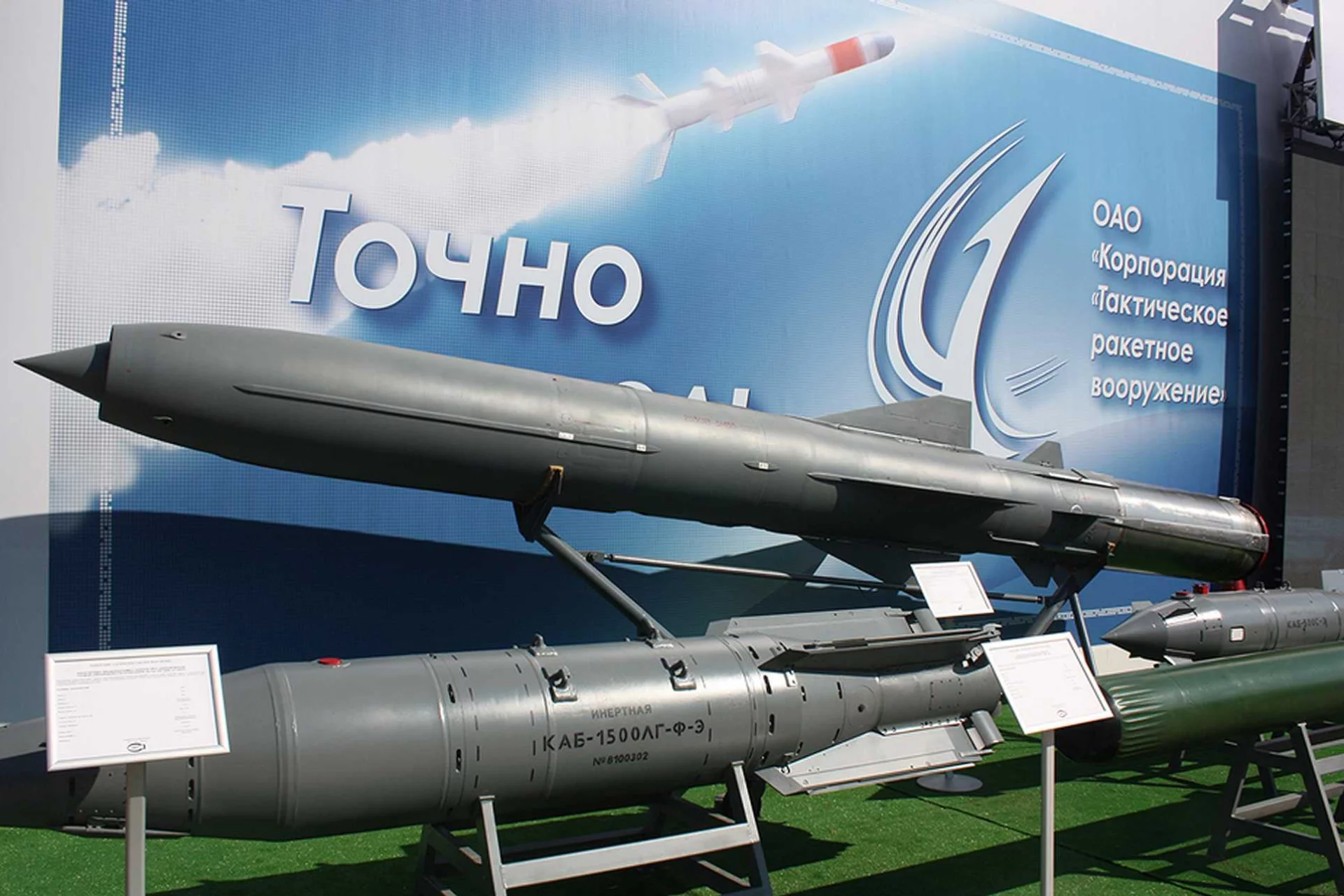
The P-800 Oniks, also known by its NATO designation SS-N-26 “Strobile”, is a Russian supersonic cruise missile developed by NPO Mashinostroyeniya. Designed for anti-ship, land-attack, surface-to-surface, submarine, and air-launched missions, it represents one of the most advanced Russian cruise missile platforms. Since entering service in 2002, the missile has been deployed from naval vessels, submarines, fixed-wing aircraft, and ground-based launchers such as the Bastion-P system.
Description and Development
- Purpose: Multi-role cruise missile capable of striking high-value naval assets, land targets, and infrastructure
- Developers: NPO Mashinostroyeniya (Russia)
- Service Entry: 2002
- Launch Platforms: Naval ships, submarines, aircraft, Bastion-P coastal defense system
- Export Versions: Yakhont, Yakhont-M; BrahMos (joint Russia-India adaptation)
- Key Features: Supersonic speed, low-altitude sea-skimming, modular platform compatibility, advanced guidance
Notable Development:
- Adapted into BrahMos through Russia-India collaboration (1998)
- Combat-proven in the Syrian Civil War and 2022 Russian invasion of Ukraine
Variants
- P-800 Oniks: Original Russian domestic version, range up to 300 km
- Yakhont: Export version, range 120–300 km (MTCR-compliant)
- Yakhont-M: Air-launched variant for aircraft deployment
- Oniks-M: Extended range (up to 800 km) with improved guidance and electronics
- BrahMos: Joint Russia-India variant, multiple launch platforms
- Bastion-P System: Mobile coastal defense system using ground-launched P-800 missiles
Design
- Length: 8.3–8.6 m (anti-ship vs. surface-to-surface)
- Diameter: 0.67 m
- Wingspan: 1.7 m
- Launch Weight: 3,000 kg
- Aerodynamics: Stabilizing fins, modular configuration, sea-skimming capable
- Flight Profiles:
- High-altitude: up to 14 km
- Low-altitude (sea-skimming): 10–15 m
Warhead
- Domestic: Semi-armor-piercing, 250 kg
- Export (Yakhont): High-explosive, 200 kg
- Effect: Capable of penetrating warship hulls and causing extensive damage to naval and land targets
Propulsion
- Boost Stage: Solid-fuel rocket
- Cruise Stage: Kerosene-fueled ramjet
- Speed:
- Mach 2.2 (high-altitude)
- Mach 2.0 (low/terminal altitude)
- Range:
- Domestic Oniks: 300 km (high-altitude), 120 km (low-altitude sea-skimming)
- Yakhont: 120–300 km
- Oniks-M: 800 km
Guidance Systems
- Midcourse: Inertial Navigation System (INS)
- Terminal: Active radar seeker
- Optional: Passive radar seeker for radar-emitting targets, Imaging Infrared (IIR) seeker (post-2002 upgrades)
- Accuracy: Circular error probable (CEP) ~1.5 m
Combat Use
- Roles: Anti-ship warfare, precision land strike, coastal defense, surface-to-surface strikes
- Tactics: Boosted to altitude, ramjet sustains supersonic cruise, terminal sea-skimming to evade defenses
- Effectiveness: High-speed, low-altitude flight and advanced guidance ensure high probability of target defeat, even against modern air defense systems
Specifications
- Type: Supersonic cruise missile, multi-role
- Countries Using: Russia, India, Indonesia, Syria, Vietnam
- Engine: Rocket booster + kerosene-fueled ramjet
- Launch Weight: 3,000 kg
- Speed: Mach 2–2.2
- Range: 120–800 km (variant-dependent)
- Launchers: Naval VLS/inclined launch, submarines (torpedo tube or VLS), aircraft (Yakhont-M), Bastion-P coastal system
The P-800 Oniks / Yakhont is a versatile, supersonic, multi-role missile capable of engaging naval and land targets with high precision, forming a cornerstone of Russian missile technology and influencing global missile development through derivatives like BrahMos.
