

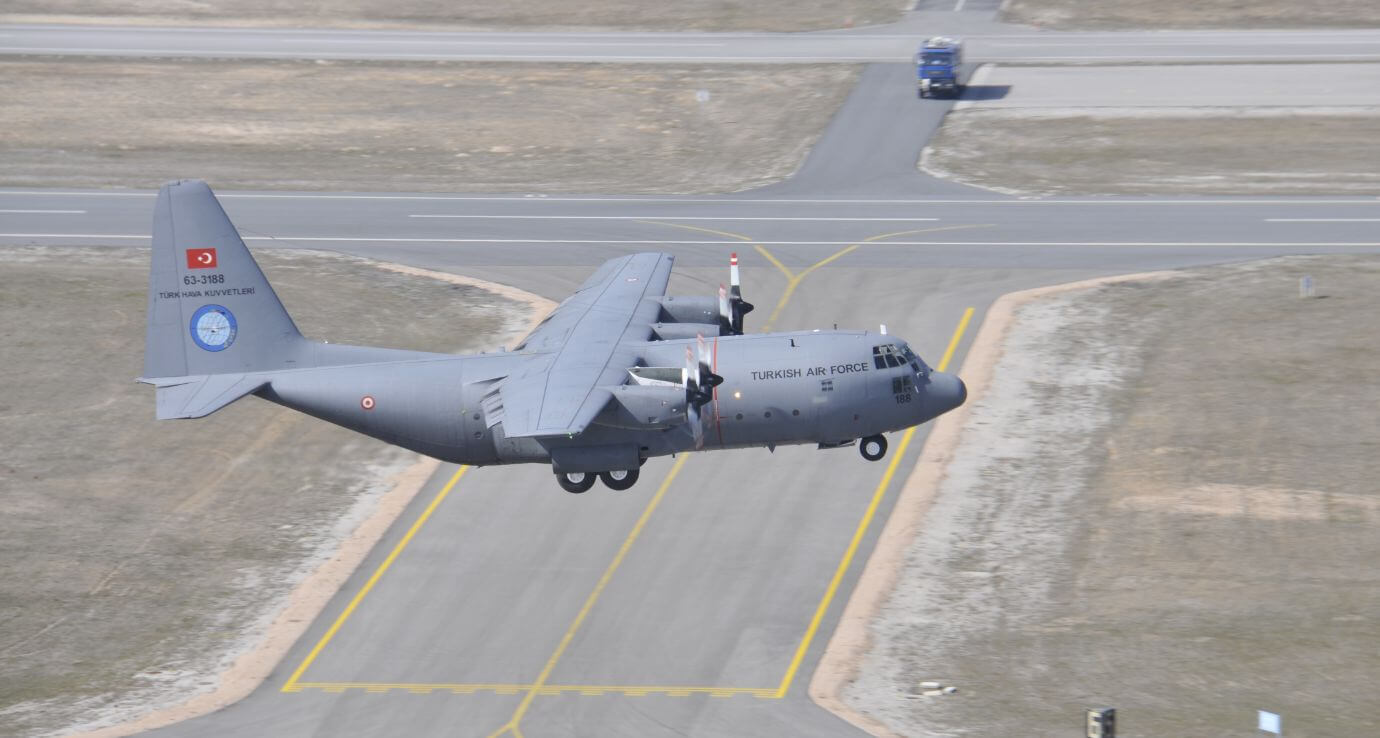
C-130 cargo aircraft are considered one of the most reliable vehicles worldwide for military and humanitarian operations. However, like any technology, these aircraft can occasionally experience accidents. A recent incident has raised the question in many people’s minds: “Why did the C-130 cargo plane crash?” In this article, we will explore the possible causes of such crashes, historical data, and risk factors in detail.
General Characteristics of C-130 Cargo Aircraft
The C-130 Hercules, produced by Lockheed Martin, has been in service since the 1950s as a four-engine military cargo aircraft. Its main features include:
- Long range and high payload capacity: Can carry up to 20 tons of cargo.
- Versatile operational capability: Can be used for airdrops, personnel transport, firefighting, and medical evacuation missions.
- Suitability for challenging weather and terrain: Its short runway requirements allow it to operate in mountainous or rough areas.
While these features enhance the aircraft’s reliability, they cannot completely prevent accidents.
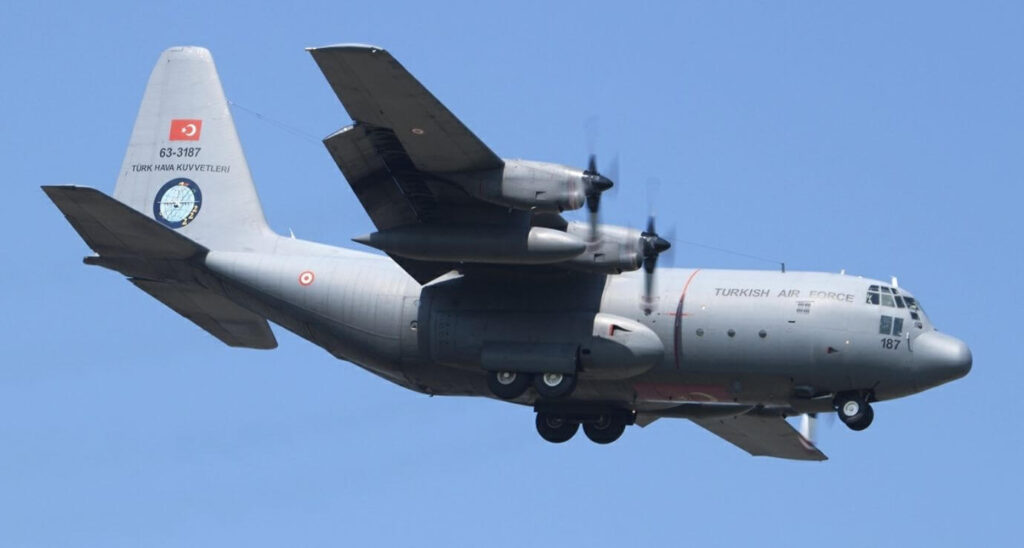
Possible Causes of a Crash
The causes of C-130 accidents generally result from a combination of multiple factors. Key contributors include:
Technical Failures
Malfunctions in engines or hydraulic systems can lead to sudden crashes. In older fleets, lack of maintenance increases these risks. Engine failures, landing gear issues, or control system malfunctions can reduce the pilot’s ability to respond effectively.
Weather Conditions
Although C-130s can operate in harsh weather, extreme storms, heavy rain, icing, or low visibility can contribute to accidents. Sudden weather changes make it harder for pilots to maintain control.
Human Factors
Pilot error, especially during stressful or critical missions, is a major cause of accidents. Fatigue, poor communication, or wrong decisions can significantly increase crash risk.
Loading and Balance Issues
C-130s have high payload capacity, but improper loading or uneven weight distribution can affect aircraft control. Overloading or unbalanced cargo can be particularly dangerous during takeoff and landing.

Historical Data and Examples
When past C-130 accidents are examined, most are linked to technical failures and adverse weather conditions. For example:
- In 2013, a C-130 crash in Afghanistan occurred due to a combination of pilot error and poor weather conditions.
- In 2018, a C-130 had to make an emergency landing due to technical issues, fortunately without any casualties.
These examples show that accidents cannot usually be attributed to a single cause.
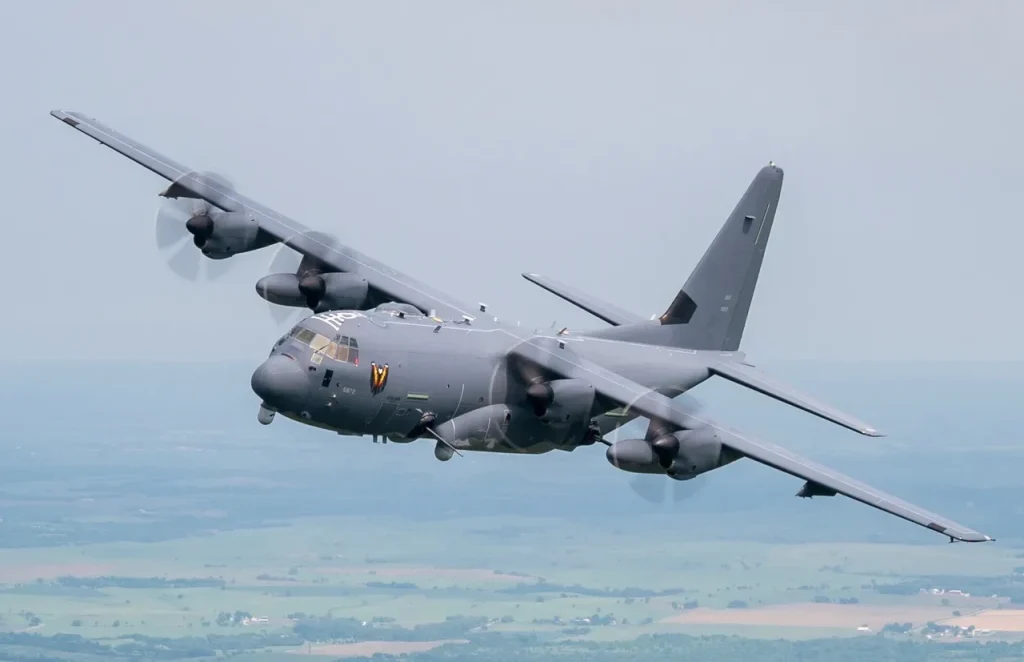
Measures to Prevent Crashes
Several critical measures can reduce C-130 accidents:
- Regular and thorough maintenance: Close inspection of hydraulic systems, engines, and landing gear.
- Use of advanced weather prediction systems: Adjusting flight plans under risky weather conditions.
- Enhanced pilot training: Simulation exercises for emergency situations and extreme weather conditions.
- Strict adherence to loading and balance standards: Preventing overloads and uneven cargo distribution.
These precautions can significantly reduce the frequency and severity of accidents.
While C-130 cargo plane accidents are rare, technical failures, human errors, adverse weather, and loading issues combined can lead to serious consequences.
In the recent tragic incident, 20 of our soldiers lost their lives. The exact cause of the C-130 crash is still under investigation. Experts suggest that a structural failure due to a technical problem may have occurred. Official statements from authorities are awaited for a definitive conclusion.
