

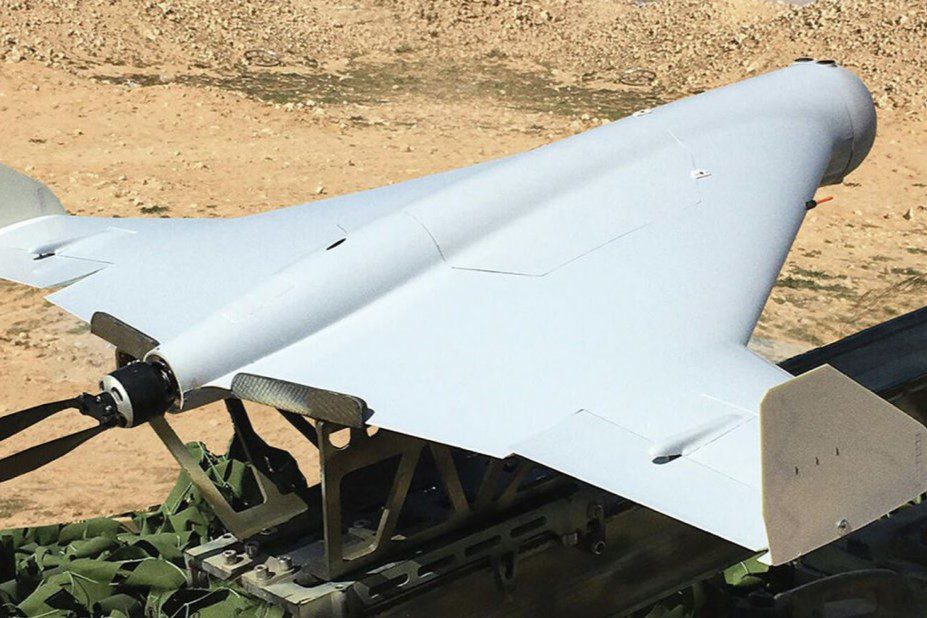
The Ukrainian Air Force confirmed that Russia has begun deploying jet-powered Geran-3 drones—variants of Iran’s Shahed-238—in recent strikes, introducing a new challenge for Ukrainian defense systems. These turbojet-equipped drones were reportedly used in the mass attacks on July 30–31, including strikes on Kyiv and surrounding regions.
According to spokesperson Yurii Ihnat, the Geran-3s fly at speeds exceeding 500 km/h, appearing on radar similarly to cruise missiles. Their speed and flight characteristics make them difficult to intercept with existing systems. Of the 78 Shahed drones launched on July 30, 51 were neutralized through electronic warfare, interceptor drones, and short-range air defense systems. Notably, eight of the drones were identified as jet-powered—a significant evolution in Russia’s loitering munition strategy. The attacks also included decoys and eight Iskander-K cruise missiles, killing 13 and injuring over 130 people.
Powered by Iranian-designed Tolou-10 or Tolou-13 engines, the Geran-3 can reach 600 km/h and fly at altitudes up to 9,000 meters. It weighs around 380 kg and has an endurance of up to two hours, surpassing the earlier Geran-2 in range and payload. Its narrow radar signature and high-pitched engine sound complicate detection by acoustic systems like Sky Fortress. Structural upgrades, such as reinforced fuselages and redesigned intakes, further enhance its survivability and maneuverability.
Ukrainian forces recovered drone wreckage marked “U-36,” and intelligence assessments suggest localized production in Russia’s Alabuga SEZ, initially relying on Iranian kits and later shifting to domestic manufacturing. Components traced to Western origins—including GPS antennas and microcontrollers from Canada and Switzerland—indicate supply chain evasion despite international sanctions.
Several Geran-3 variants reportedly exist: a GPS/GLONASS-guided baseline model, a thermal imaging seeker version, a passive radar-homing variant, and a reconnaissance-focused electro-optical unit. All known versions are ground-launched using rails and solid-fuel boosters. Rumors of air-launched configurations remain unverified.
To counter these drones, Ukraine has developed high-speed FPV interceptor UAVs. President Zelensky called for mass production, yet Digital Minister Fedorov admitted their limited effectiveness against high-speed threats like the Geran-3. Analysts speculate these drones are also being used to evaluate Ukrainian interception tactics.
From a cost perspective, the disparity is stark: NASAMS and Patriot interceptors cost hundreds of thousands to millions of dollars, while traditional Shahed drones cost under $50,000. The Geran-3 is estimated at around $1.4 million per unit, limiting mass production due to manufacturing complexity and sanctions. Nonetheless, their inclusion in mixed drone-missile salvos forces Ukraine to expend valuable interceptor resources, straining long-term defense sustainability.
Ukrainian teams continue to analyze downed drones and attack patterns to understand the Geran-3’s role. Though sightings in April, May, and June hint at earlier use, it remains unclear if this newer model directly contributed to the recent increase in strike success rates.
Russian outlets have compared the Geran-3 more to a cruise missile than a drone. With extended range, higher speed, and improved guidance systems, the drone may be adapted in the future for suppression of air defenses or limited aerial engagement roles. Though air-to-air capabilities have been theorized in Iranian documents, no operational use has been recorded. Still, the Geran-3’s introduction reflects a significant shift in Russia’s drone warfare capabilities—and a growing challenge for Ukraine’s layered air defense architecture.
