

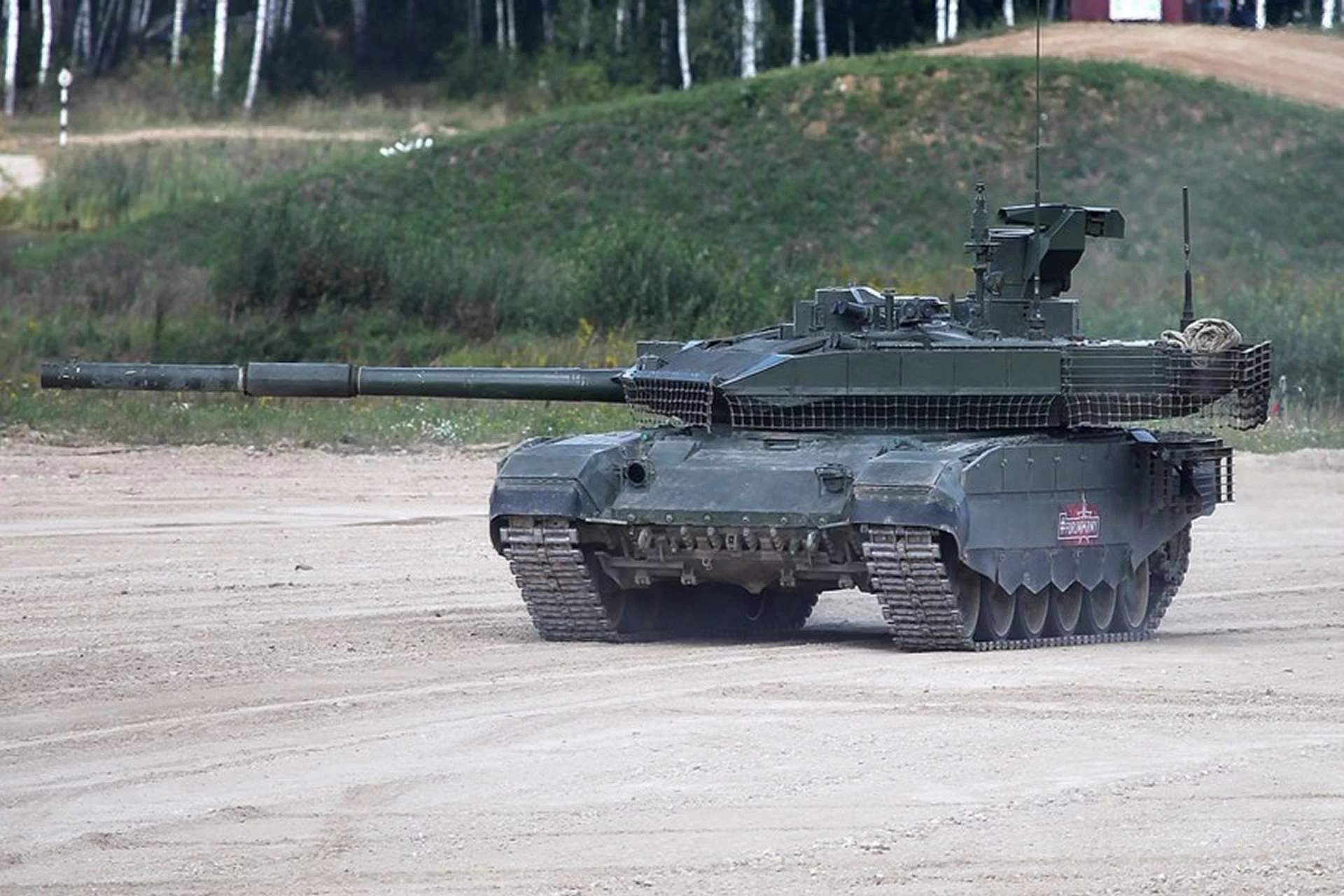
In a significant shift signaling Moscow’s renewed focus on long-term armored warfare, Russia has ramped up mass production of its most advanced main battle tank, the T-90M “Proryv”, despite ongoing Western sanctions and battlefield losses in Ukraine. According to recent assessments by the Conflict Intelligence Team (CIT), production levels have now tripled compared to 2020–2021 benchmarks — setting Russia on a trajectory to produce up to 1,000 tanks annually by 2028.
This escalation, confirmed by satellite imagery and procurement data, reflects a strategic push by the state-owned defense manufacturer Uralvagonzavod, which is reportedly operating on a 24-hour production cycle. The uptick in T-90M production follows a pattern of growing urgency as Russia exhausts its older T-72 and T-90A stocks and seeks to replenish its depleted armored formations.
The T-90M represents the apex of Russia’s legacy tank design, blending combat-tested architecture with modern upgrades. It boasts an improved turret design, advanced reactive armor systems (Relikt ERA), anti-drone defenses, and a robust 1,130-horsepower diesel engine. The tank is also equipped with the Sosna-U thermal gunner sight and a digitized fire control system—features that enhance its effectiveness on the modern battlefield.
While it falls short of Western tanks like the German Leopard 2A6 or the American M1A2 Abrams in armor protection, the T-90M compensates through maneuverability, lower production costs, and compatibility with Russia’s existing logistics infrastructure. This balance between capability and scalability has become increasingly central to Russia’s military strategy.
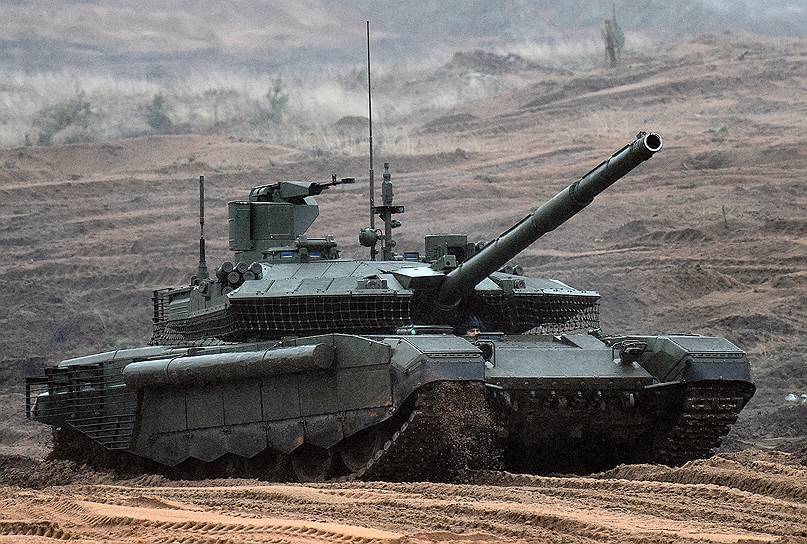
Production figures have steadily climbed since the full-scale invasion of Ukraine in 2022. Only 60 to 70 units were built in 2022, increasing to up to 180 in 2023, as of 2024, the annual production volume had reportedly risen to 300 tanks. Uralvagonzavod has now pivoted from upgrading older tanks to constructing entirely new units as the inventory of retrofit-capable platforms dwindles.
Strategically, the move underscores Russia’s determination to rebuild its armored capacity independently, in stark contrast to Western tank deliveries to Ukraine, which have often been slow and limited in number. More than 3,000 Russian tanks are estimated to have been lost in the war so far, making this production surge not only necessary but potentially decisive in sustaining ground operations.
This aggressive ramp-up in armored vehicle output suggests a long-term recalibration in Russian defense planning. With domestic industry increasingly isolated but still capable of high-volume manufacturing, Moscow appears to be reviving Cold War-era principles of quantity over individual superiority—seeking strength in numbers rather than high-end complexity.
For NATO and Ukraine, the implications are clear: as Russia fortifies its armored divisions through mass production, Western allies may need to reassess their current military aid strategies and readiness for prolonged conventional warfare. The resurgence of Russia’s tank-building capability marks not just an industrial achievement but a clear signal of strategic intent.
