

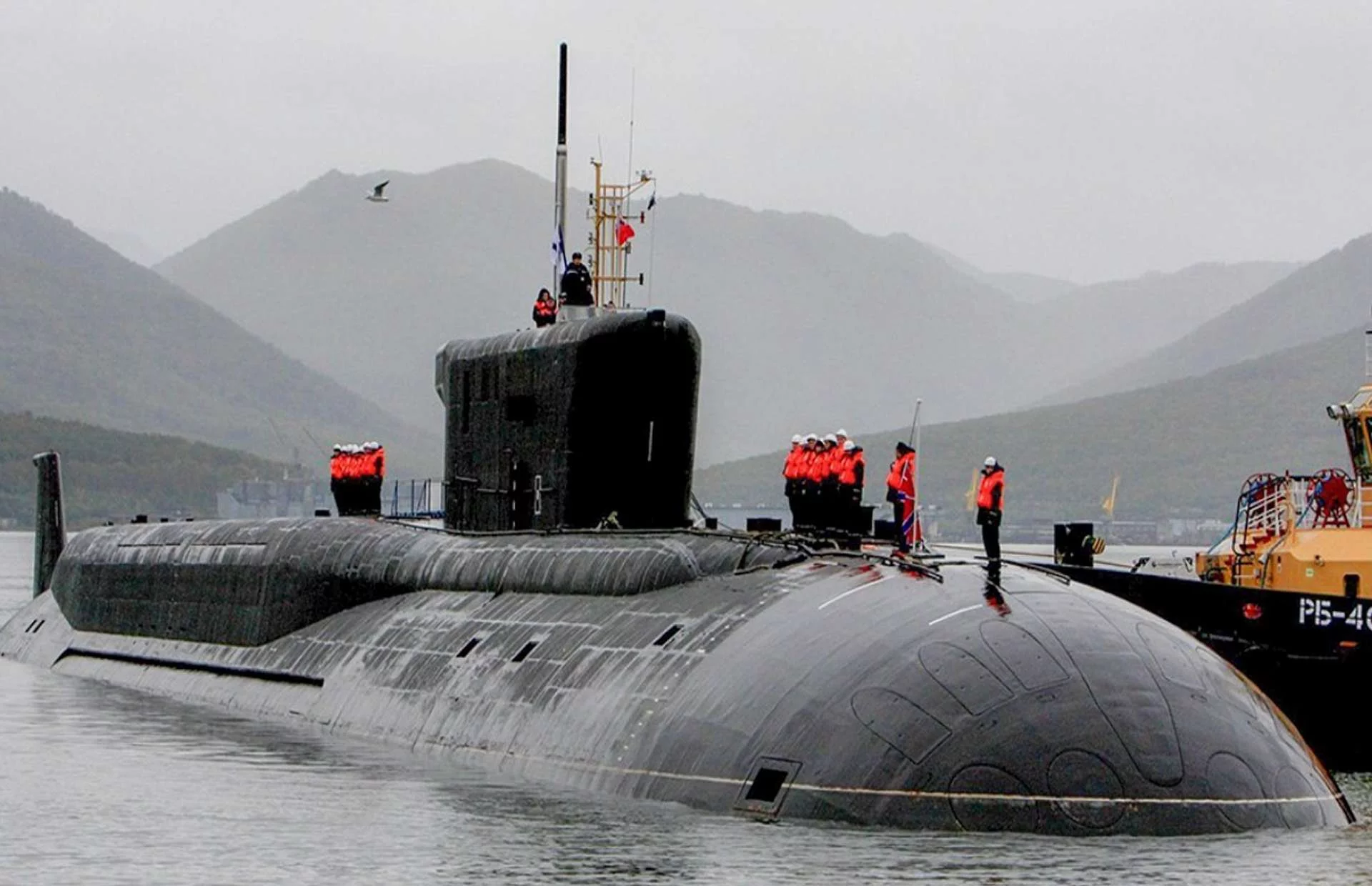
A joint investigation by The Washington Post and international partners has revealed that Russia covertly constructed an Arctic undersea surveillance system, known as Harmony, using sonar and fiber-optic technology sourced from U.S. and EU companies through front firms. The network is designed to shield Russia’s nuclear ballistic-missile submarines and to challenge NATO’s long-standing dominance in the High North.
According to the report, a Cyprus-based shell company called Mostrello Commercial Ltd. purchased sonar arrays, underwater antennas, and fiber-optic links from Western suppliers, alongside a deep-diving unmanned underwater vehicle capable of operating at depths up to 3,000 meters. These components were used to plant seabed sensors along key approaches to Russia’s Northern Fleet bases.
Documents reviewed by investigators show that U.S. manufacturers EdgeTech and R2Sonic unknowingly provided high-resolution sonar systems that enabled precise seabed mapping for sensor placement. Norwegian authorities later blocked an attempted purchase of a Kongsberg acoustic navigation system after identifying Mostrello’s links to Russian defense interests.
The Harmony network extends Russia’s anti-submarine warfare coverage across the Barents Sea, giving Borei-class submarines early warning against NATO tracking and allowing them to slip undetected into Arctic patrol zones.
A German-led investigation in 2024–2025 confirmed that Mostrello operated as a front for a Moscow-based defense contractor with security service ties. The firm’s sudden closure in Cyprus suggested that its role had been exposed following international sanctions and intelligence leaks.
Analysts say the deployment rebalances undersea power in the Arctic, forcing U.S. and NATO submarines to assume greater detection risks and divert reconnaissance assets to counter-surveillance. The episode also underscores how Russia turned Western dual-use technologies into a defensive shield for its sea-based nuclear deterrent—reshaping the strategic equation beneath the Arctic ice.
