

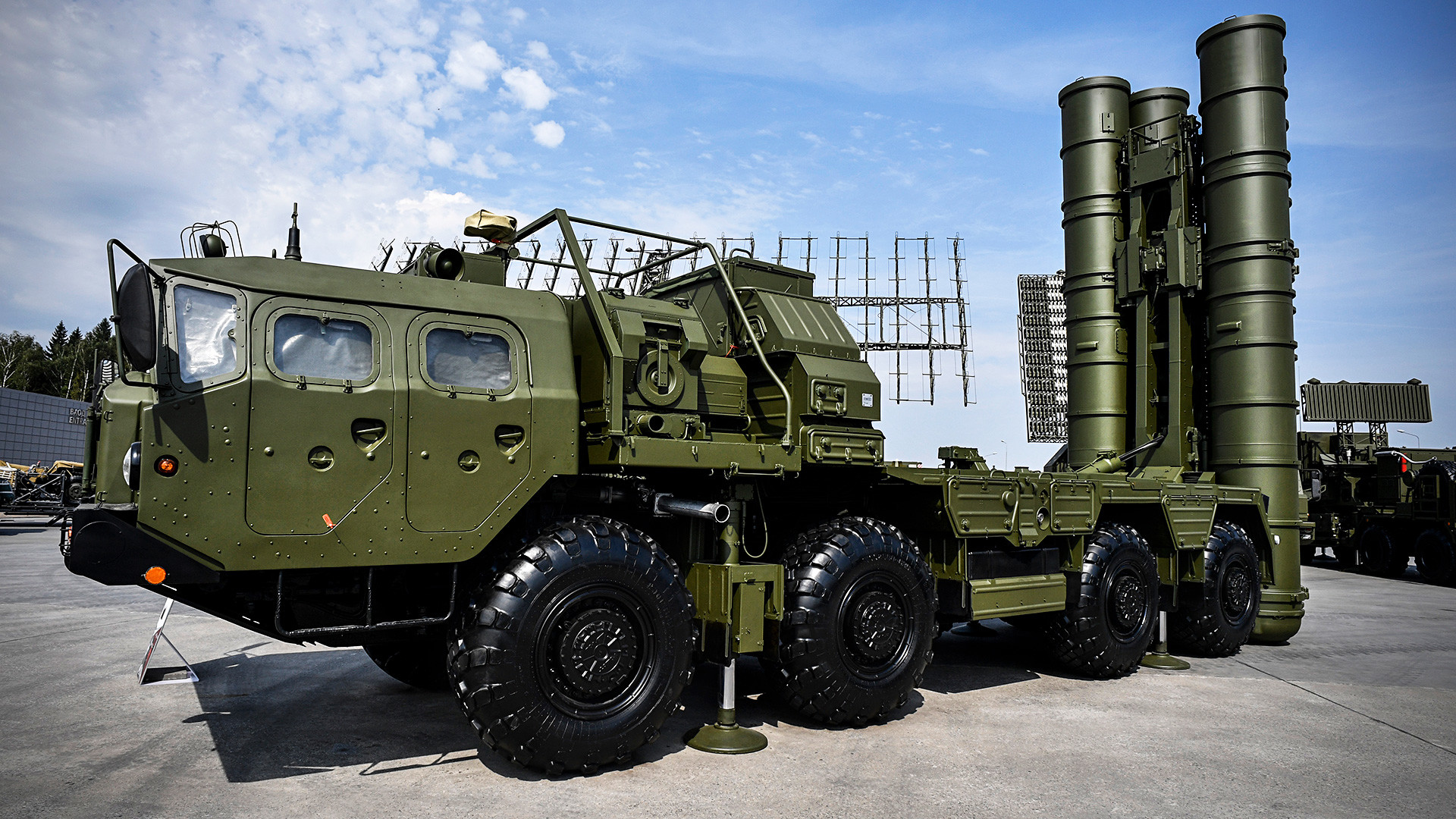
Origin and General Description
The S-400 Triumf is a long-range, mobile air defense system developed by the Russian defense company Almaz-Antey. It is designed to intercept and destroy aircraft, cruise missiles, and ballistic missile threats. Additionally, it is capable of countering medium-range threats as well. In NATO terminology, it is designated as the “SA-21 Growler.”
Service Entry
The S-400 system was officially inducted into service by the Russian military on April 28, 2007. The first operational brigade became active on August 6, 2007.
Coverage and Engagement Capabilities
This system offers multi-layered defense against both medium- and long-range aerial threats. It can effectively neutralize a wide spectrum of targets, including manned aircraft and high-speed ballistic missiles.
Technical Specifications
- Missile Types and Ranges:
- 9M96E / 9M96E2: 100 to 120 kilometers
- 48N6DM (E3): 250 kilometers
- 40N6E: Approximately 400 kilometers
- Radar Capabilities:
The radar system can detect targets up to 600 kilometers away and simultaneously track up to 300 airborne objects. - Engagement Capabilities:
The S-400 can lock onto 80 targets at once and launch up to 160 missiles concurrently. It is capable of engaging targets moving at speeds up to Mach 14 (approximately 17,000 km/h). - Maximum Altitude Coverage:
The system is effective up to 30 kilometers in altitude for aircraft and around 25 kilometers for ballistic missile threats. - Mobility and Reaction Time:
The platform can travel at speeds of up to 60 km/h on paved roads and 25 km/h on rough terrain. From a mobile state, it becomes combat-ready within 5 minutes, and from a stationary position in just 35 seconds. - Maintenance Interval:
The S-400 has low maintenance requirements and can operate continuously for up to 10,000 hours without scheduled servicing.
Development History
Development of the S-400 began in the early 1980s as a successor to the S-300 system. However, the dissolution of the Soviet Union caused delays in the program. The system was introduced to the Russian Air Force in 1993, with the first successful test conducted in 1999. A live-fire test against ballistic missiles was completed in 2004, and the system was officially deployed in 2007.
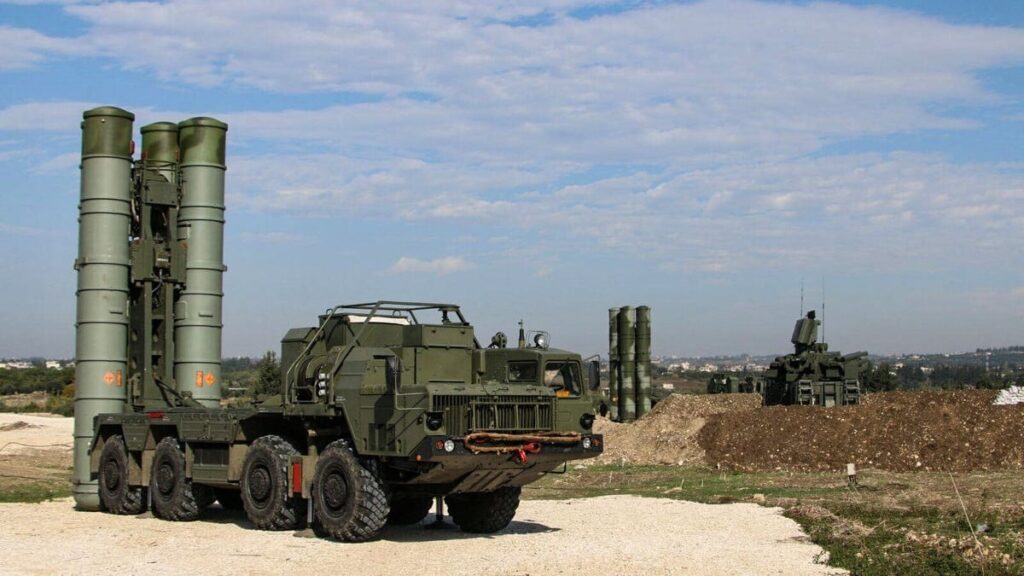
Cost and Export
A fully equipped S-400 battery—which includes a command unit, radar, nine launchers, and 120 missiles—is estimated to cost around $300 million. Export packages vary by buyer and scope, with deals such as the one made with India valued at up to $1.25 billion.
Operators
Besides Russia, the S-400 system has been purchased or deployed by countries such as Turkey, China, Belarus, India, Algeria, and Saudi Arabia. Turkey signed an agreement with Russia in September 2017, received its first shipment in July 2019, and began testing the system in October 2020.
Strategic Importance
With its advanced radar technology, flexible missile loadout, and rapid response time, the S-400 is considered one of the most capable air defense systems in the world. It has been viewed as a strategic concern by NATO and the United States—especially after Turkey’s acquisition of the system, which sparked international debate. Defense analysts and military publications often rank the S-400 among the top air defense solutions globally.
| Feature | Specification |
|---|---|
| Radar range | Up to 600 kilometers |
| Missile range | 100 to 400 kilometers |
| Target tracking | Up to 300 targets |
| Engagement capacity | 80 targets locked, 160 missiles fired |
| Response time | 35 seconds (stationary), 5 minutes (mobile) |
| Terrain speed | 25 km/h |
| Battery cost | $300 million – $1.25 billion |
Conclusion
The S-400 Triumf holds a distinguished position among modern air defense systems due to its technological sophistication, versatile engagement capabilities, and strong export performance. With Turkey’s deployment of the system in 2019, it has gained increased relevance in both regional defense strategy and global security discourse.
