

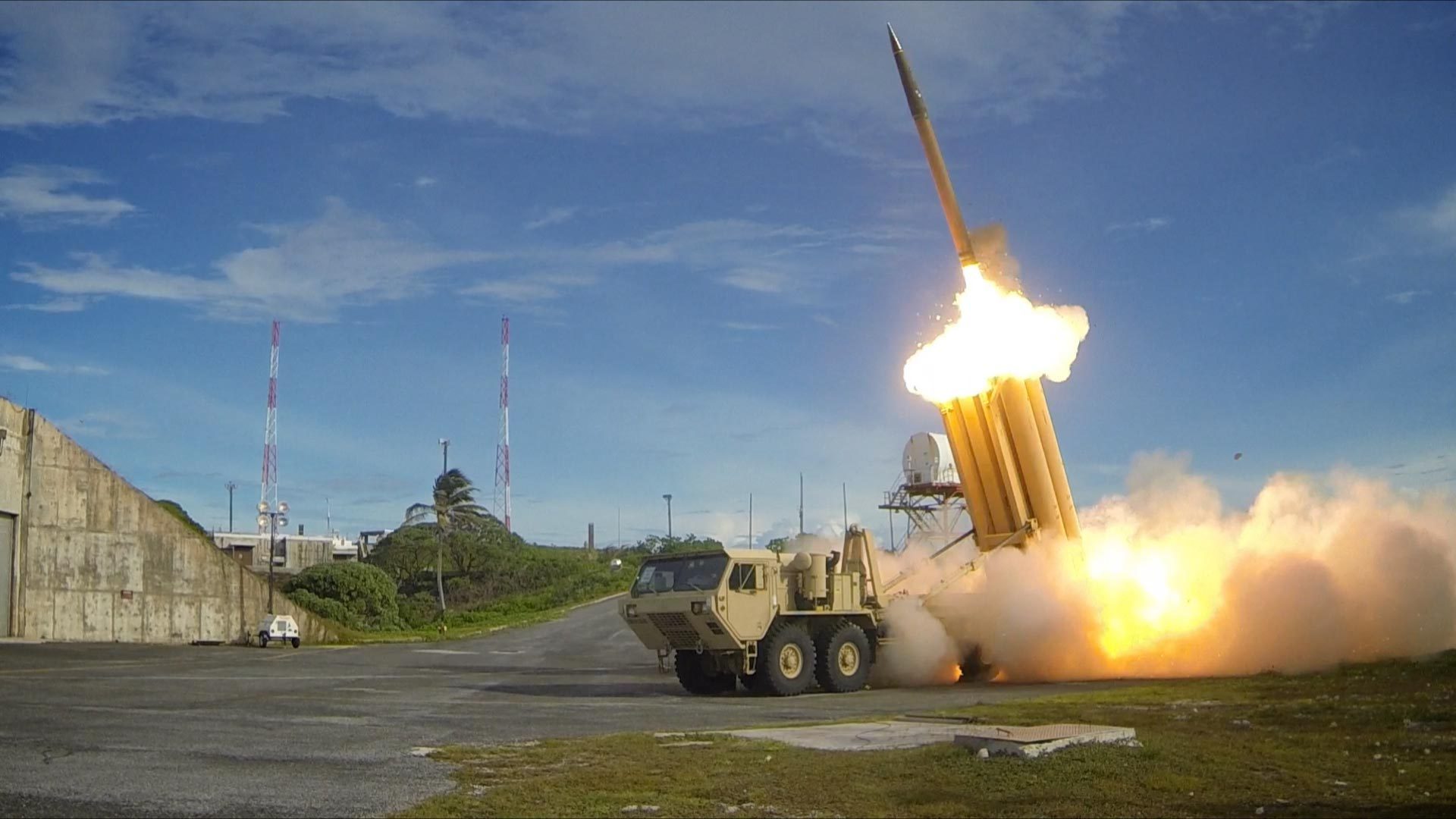
Saudi Arabia has officially activated its first Terminal High Altitude Area Defense (THAAD) missile system, marking a significant advancement in the kingdom’s efforts to enhance its air defense network. The formal inauguration took place at the Air Defense Forces Institute in Jeddah, underscoring Riyadh’s commitment to protecting its critical infrastructure and strategic sites.
The American-made THAAD system is engineered to detect, track, and intercept short- and medium-range ballistic missiles both within and beyond the Earth’s atmosphere. This deployment follows extensive testing and personnel training conducted across the kingdom to ensure operational readiness.
With Saudi Arabia becoming the second Gulf Cooperation Council (GCC) nation after the United Arab Emirates to field THAAD, the move signals deepening military ties between Riyadh and Washington. The UAE first acquired THAAD batteries in 2011, achieving operational capability by 2016. Additionally, Qatar is poised to receive the system as part of a major US arms deal.
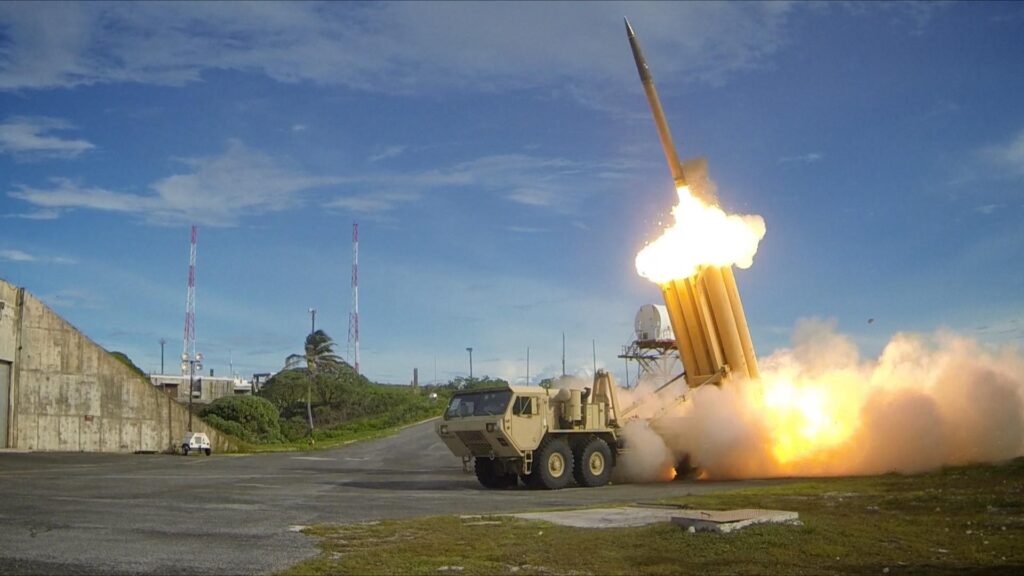
The US approved the sale of THAAD to Saudi Arabia in 2019, within a broader $110 billion arms agreement signed during former President Donald Trump’s administration. Furthermore, Saudi Arabia signed a manufacturing agreement with Lockheed Martin to produce key system components domestically, although production timelines remain undisclosed.
Despite THAAD’s advanced capabilities, reports have surfaced citing challenges in intercepting missiles launched from Iran and Yemen toward contested areas. Newsweek highlighted that the US expended a significant portion of its global THAAD missile reserves during recent conflicts supporting Israel.
Saudi Arabia’s THAAD deployment comes amid escalating regional tensions and increasing ballistic missile threats, particularly from Iran, emphasizing the kingdom’s strategic focus on bolstering its defense posture in a volatile security environment.
