

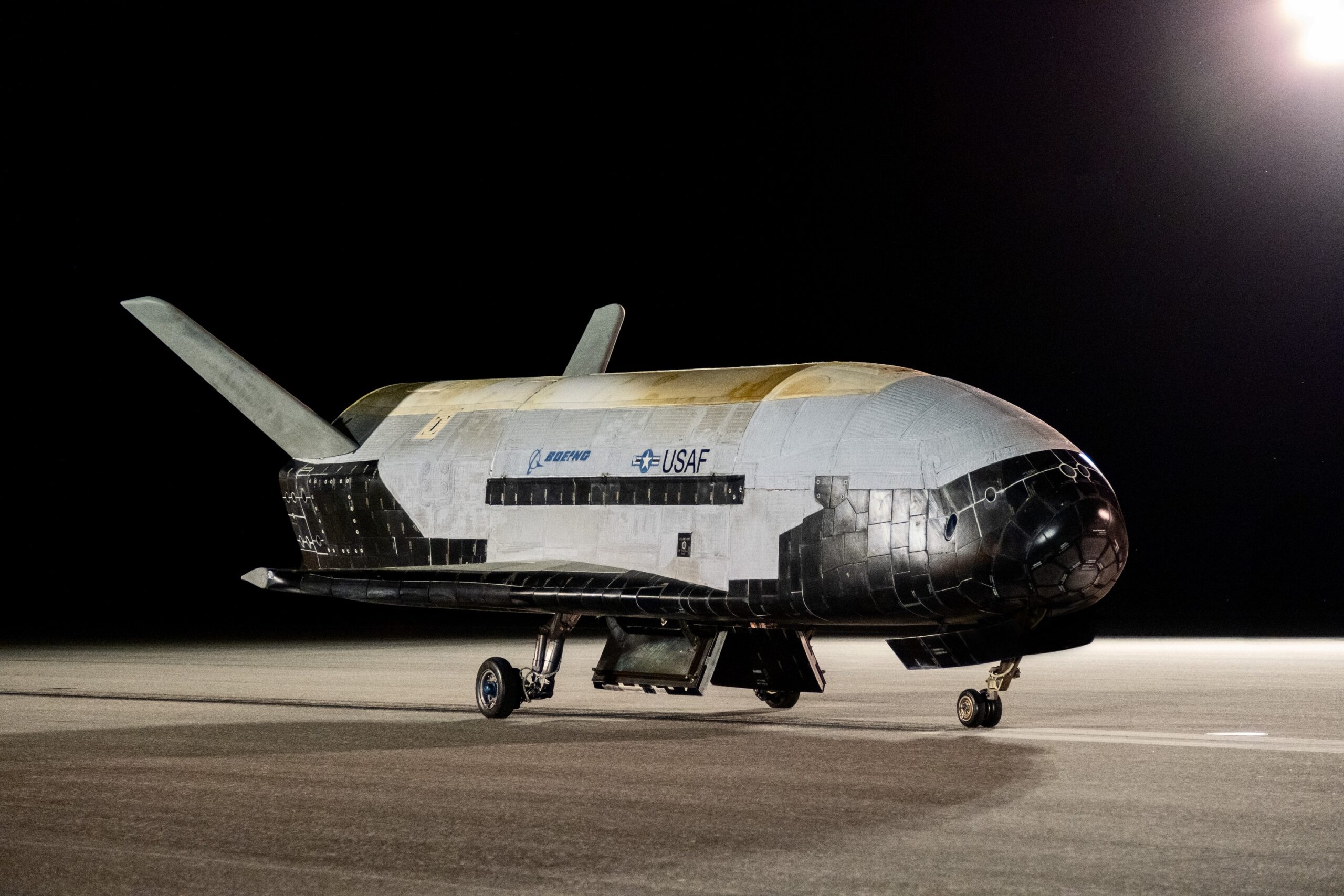
The U.S. Space Force is gearing up to launch its X-37B spaceplane for the eighth time next month, with a mission centered on advancing space-based communications and quantum sensing technologies.
According to a statement released Monday, the new experiments are part of a broader initiative to increase the resilience and adaptability of American orbital systems, reinforcing the safety and security of space operations. Built by Boeing, the X-37B has served as a cutting-edge test platform since its first mission in 2010. While most of its objectives remain classified, the Space Force has recently begun sharing more about the spacecraft’s capabilities.
Chief of Space Operations Gen. Chance Saltzman emphasized in a post on X (formerly Twitter) that the mission aims to enhance the connectedness and readiness of the joint force. “This is how the U.S. Space Force protects our national interests in, from, and to space,” he said.
One key aspect of the mission is a demonstration of laser-based communications in coordination with commercial low-Earth orbit satellite networks — offering faster and more secure data transmission compared to traditional radio frequencies. The goal is to eliminate single points of failure in the U.S. satellite architecture.
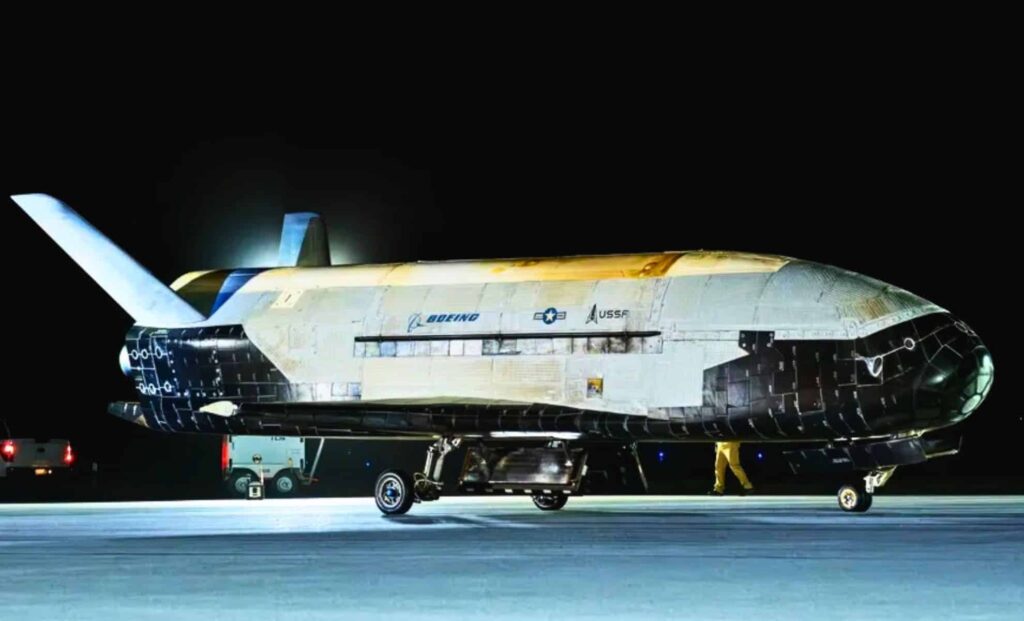
Another critical test involves a quantum inertial sensor — the most advanced ever flown in space — which enables navigation without relying on GPS. This capability is especially valuable in denied environments and could revolutionize deep-space navigation, including operations in cislunar space.
The Fifth Space Operations Squadron, based at Joint Base Anacostia-Bolling in Washington, D.C., will oversee the mission alongside the Space Rapid Capabilities Office.
Details such as mission duration and other onboard experiments remain undisclosed. The last X-37B flight lasted 434 days and marked a milestone with its successful use of aerobraking to alter orbits using minimal fuel.
