

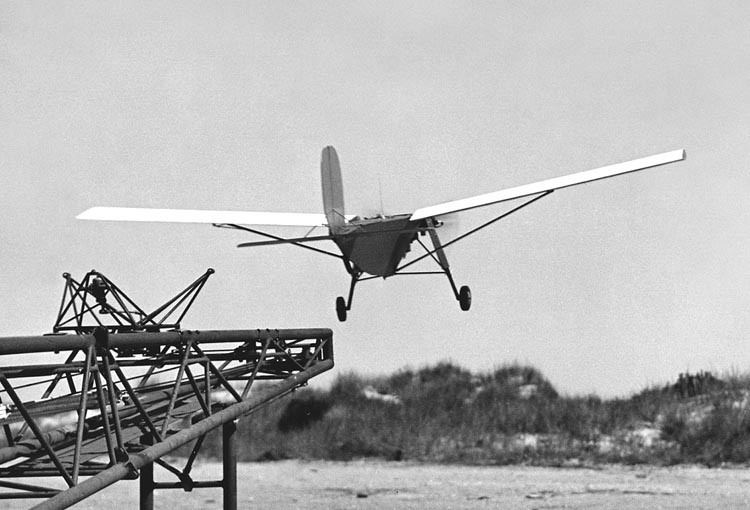
Unmanned aerial vehicles (UAVs) have become a cornerstone of modern aviation and defense technology. Today, drones are widely used not only in the military but also in civilian sectors, agriculture, security, and logistics. However, the history of UAVs dates back to the early 20th century. This article explores the emergence, technological development, and impact of the world’s first UAV in detail.
The Birth of Unmanned Aerial Vehicles
The history of unmanned aerial vehicles generally goes back to World War I. Early UAV concepts were developed to reduce human casualties and conduct reconnaissance missions safely. In 1916, the United States and the United Kingdom began working on automatically flying machines capable of hitting targets. These early UAVs were primitive compared to today’s drones but were revolutionary for their time.
The first prototypes were usually launched with a mechanism mounted on the fuselage, with limited automatic landing or flight path capabilities. These vehicles were used for reconnaissance, bombing, and message delivery. Early UAVs also paved the way for the development of radar and radio technologies.
Early UAV Examples
| Year | Country | UAV Model | Purpose |
|---|---|---|---|
| 1916 | USA | Kettering Bug | Bombing & target testing |
| 1917 | UK | Aerial Target | Target applications & training |
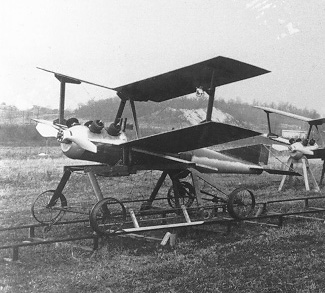
The First Successfully Used UAV: Kettering Bug
The Kettering Bug, developed by the United States in 1918, is considered the world’s first successful unmanned aerial vehicle. Designed by Charles Kettering and his team, this UAV could automatically fly to pre-determined targets as a bombing vehicle. With a range of approximately 12 miles, the Kettering Bug used a mechanical timer to set its flight path, requiring no human intervention during flight.
The Kettering Bug was not only a military technology but also contributed to understanding the fundamental principles of modern drones. Operating purely on mechanical and aerodynamic principles in an era without GPS or remote control systems, it marked the first concrete success of the unmanned flight concept.
World War II and UAV Technological Advancement
During World War II, UAVs gained significant momentum. Both Allied and Axis powers developed various UAV prototypes for reconnaissance and bombing missions. Advances in radar technology during this period enhanced the range and targeting accuracy of UAVs.
Germany’s V-1 rockets, in particular, are considered precursors to today’s smart drones. The V-1 could fly along pre-determined routes and detonate upon reaching its target. This era marked the strategic adoption of UAVs in military operations and paved the way for future technological developments.
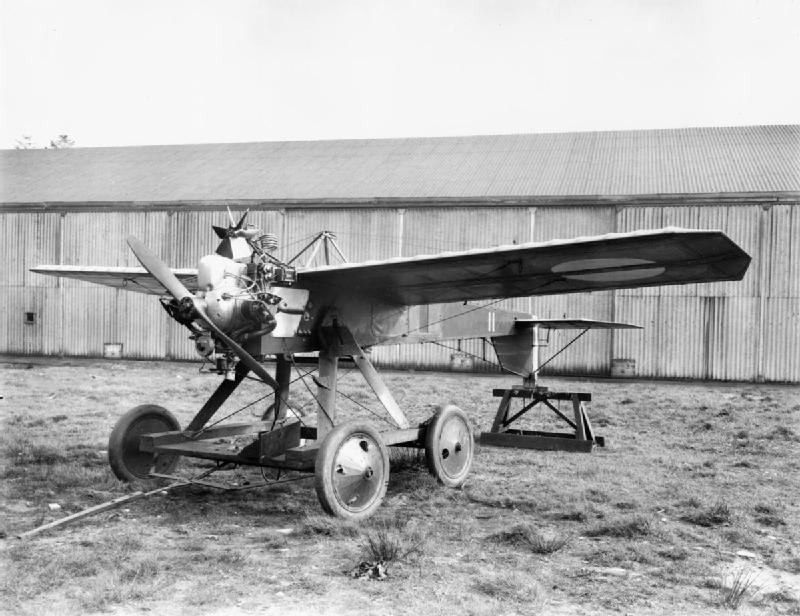
UAVs During World War II
| Country | UAV Model | Mission Type | Features |
|---|---|---|---|
| Germany | V-1 | Bombing | Automatic flight, explosive payload |
| USA | Radioplane OQ-2 | Training/Recon | First mass-produced UAV |
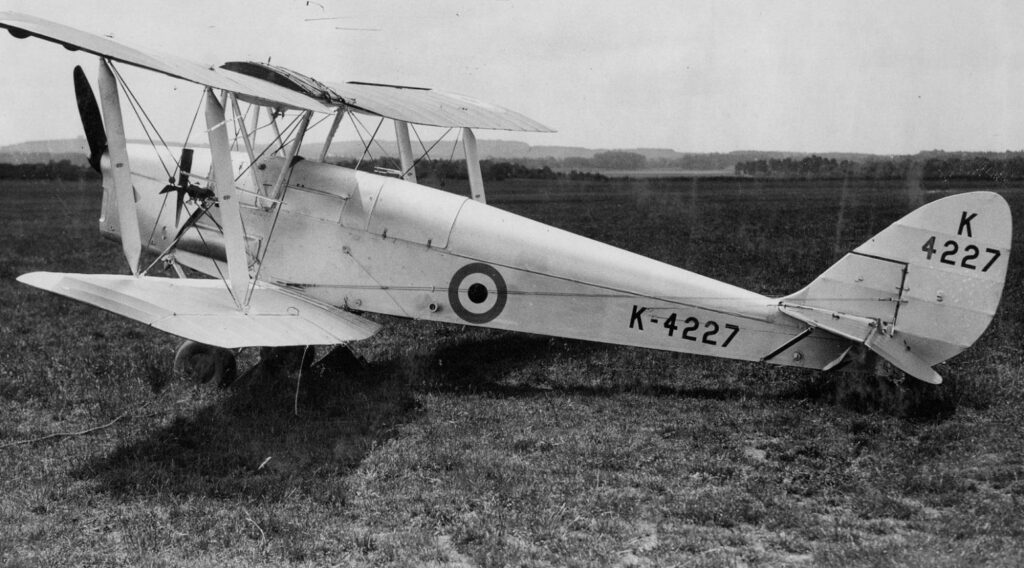
| UK | Queen Bee | Training | Target drone, radio-controlled |
The Impact of UAVs on the Modern World
Today, UAVs are far more advanced than their early prototypes. With GPS, artificial intelligence, and autonomous control systems, they perform effective missions in both military and civilian domains. The first UAVs laid the foundation for modern drones and improved flight safety and reconnaissance capabilities.
Modern UAVs are used in agriculture, logistics, filmmaking, security, and disaster management. This demonstrates that unmanned aerial vehicles have evolved from purely military tools into indispensable elements of everyday life.
