

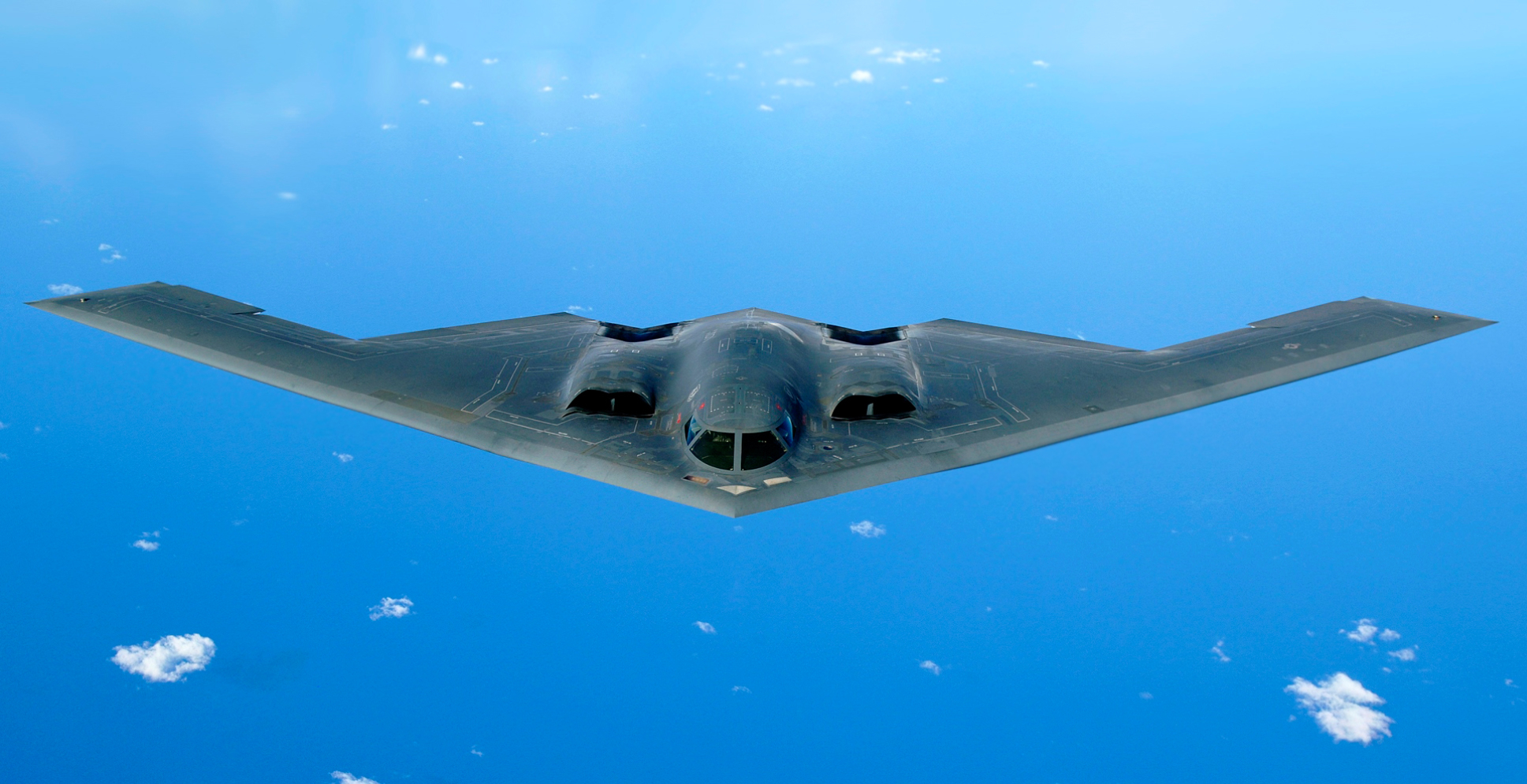
Wright-Patterson AFB, OHIO — On the 34th anniversary of its maiden flight, the legendary B-2 Spirit stealth bomber was officially honored with a permanent place in history. A commemorative monument titled the “Pioneers of Stealth Memorial” was unveiled at the National Museum of the United States Air Force, recognizing the groundbreaking achievements that redefined modern aerial warfare and invisible combat.
Developed by Northrop Grumman, the B-2 Spirit remains a cornerstone of U.S. Air Force power projection, boasting unmatched stealth capabilities, global reach, and both nuclear and conventional strike options. With its iconic flying wing design and radar-defying silhouette, the B-2 has been a symbol of technological dominance for over three decades—and still operates as the U.S.’s only long-range penetrating stealth bomber.
From Experimental Shadows to Global Deterrence
The story of the B-2 doesn’t begin in the 1990s skies—it traces back to the ultra-secretive Tacit Blue program of the late 1970s. Originally conceived under DARPA and awarded to Northrop in 1976, Tacit Blue was a revolutionary step forward in “low observable” aircraft design. It proved that aircraft with curved, non-angular surfaces could evade radar and operate undetected in hostile environments—principles that directly fed into the design of the B-2.
With over 135 test flights before being retired in 1985, Tacit Blue quietly set the foundation for modern stealth aviation, combining radar-reduction, thermal masking, and real-time battlefield surveillance technologies.
Reinventing the Blueprint
Building the B-2 Spirit required more than an aircraft—it required inventing the tools to build it. Northrop Grumman engineers created new software, 3D modeling systems, composite materials, and precision test equipment to bring this unprecedented design to life.
The B-2 emerged not only as a technological leap, but also a strategic game-changer. Its ability to penetrate deep into hostile territory undetected, deliver precise payloads, and seamlessly integrate with global command networks makes it a lasting deterrent to threats worldwide.
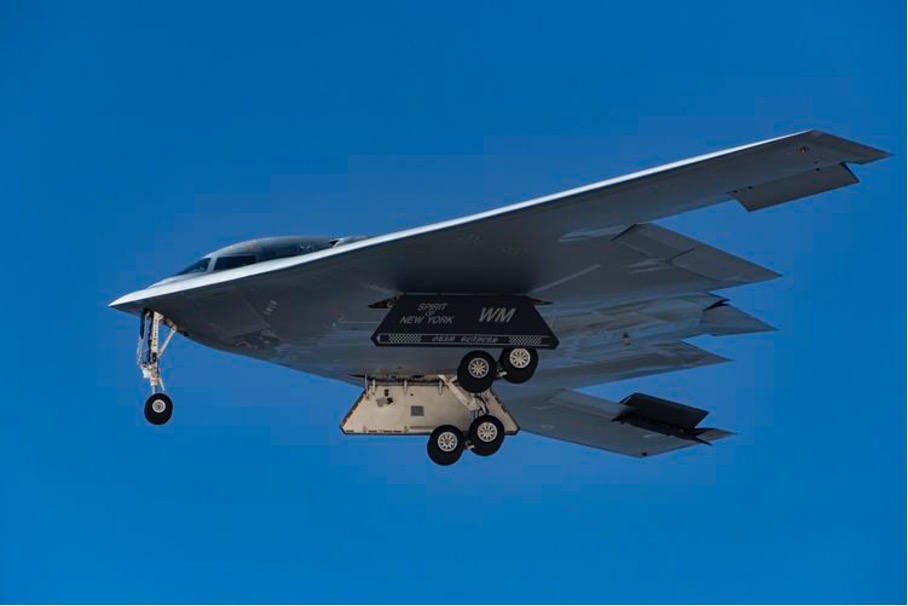
Today’s Shield, Tomorrow’s Spear
Still flown by the U.S. Air Force today, the B-2 continues to serve as the backbone of America’s stealth bomber fleet. It carries both nuclear and conventional weapons, and is constantly undergoing upgrades to improve its lethality, connectivity, and adaptability to modern combat environments.
Behind the scenes, Northrop Grumman leads efforts to sustain and digitally transform the B-2 platform, ensuring it remains mission-capable in the face of evolving threats.
The Future of Stealth: Enter the B-21 Raider
Building on the heritage of the B-2 and Tacit Blue, Northrop Grumman is now developing the B-21 Raider, the world’s first sixth-generation stealth bomber. Designed to operate in increasingly contested environments, the B-21 represents the future of global strike capability—leveraging advanced materials, AI, modular systems, and cloud-connected mission readiness.
As the U.S. Air Force prepares for tomorrow’s challenges, the spirit of the B-2 continues—quiet, powerful, and unseen.
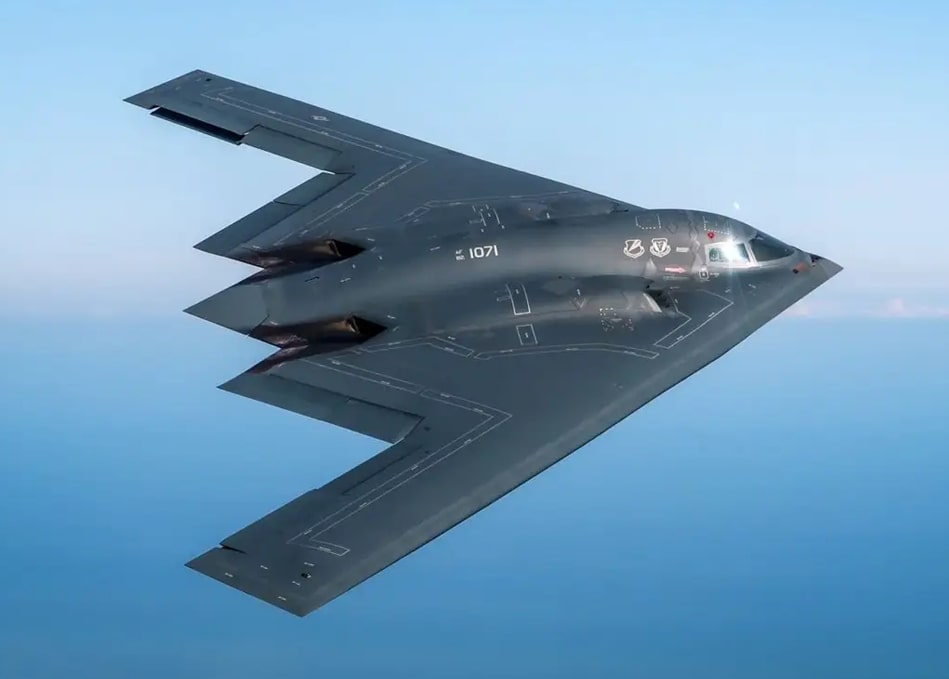
In Numbers – The B-2 Spirit Stealth Bomber
| Feature | Details |
|---|---|
| Role | Stealth strategic bomber |
| Manufacturer | Northrop Grumman |
| First Flight | July 17, 1989 |
| Operational Range | ~6,000 nautical miles (without refueling) |
| Armament | Conventional and nuclear payloads |
| Crew | 2 (Pilot & Mission Commander) |
| Unique Traits | All-aspect stealth, flying wing design |
The B-2 Spirit isn’t just an aircraft—it’s a symbol of innovation, deterrence, and silent strength. And as its successor, the B-21 Raider, prepares to take flight, the legacy of invisible dominance in the sky is set to continue.
