

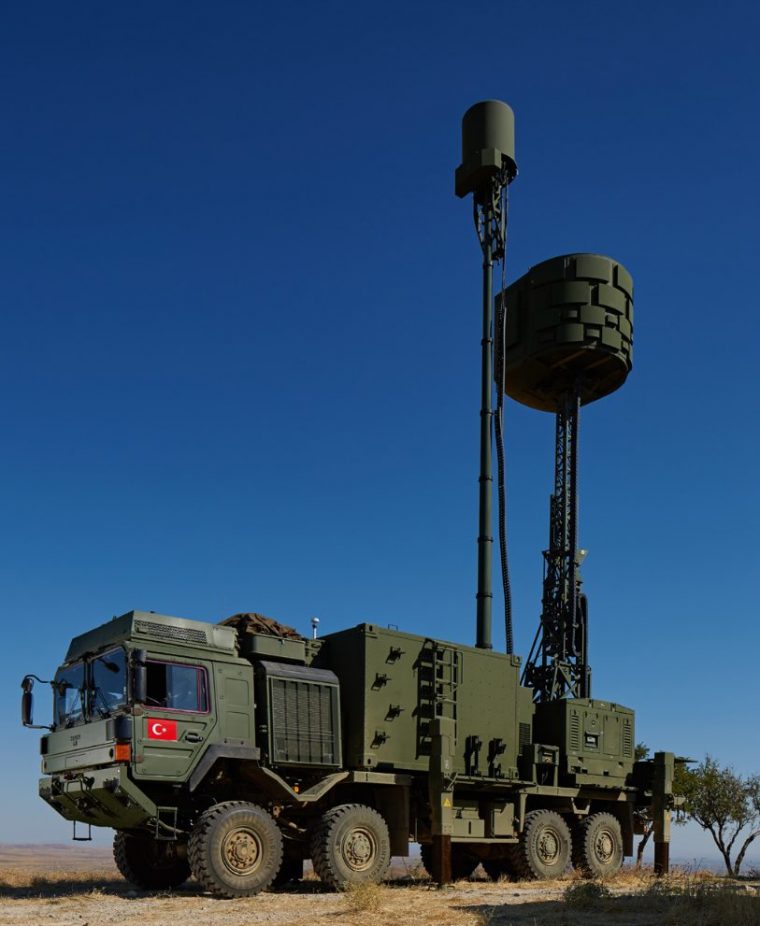
Due to the recently initiated war between Israel and Iran, our region, often referred to as the Middle East, continues to experience tense and heated moments. We are constantly witnessing reciprocal attacks. Ballistic missiles launched from Iran are rapidly neutralized by the Iron Dome. Let’s take a closer look at the Iron Dome, which we’ve been hearing about frequently.
The Iron Dome is a system that continuously broadcasts radio frequencies and uses detection radars stationed in specific regions to identify incoming threats and eliminate them with Arrow missiles. The system prioritizes threats in a way that the first major threat detected by the radar is the first to be eliminated. The first incoming missile becomes the first target. It then ranks the second, third, and fourth threats accordingly. As each target is eliminated, the system constantly updates the list, allowing it to maintain a multi-layered defense that always neutralizes the primary threat.
We are currently in an era where the artificial intelligence applications we use on our phones are written in a program based on the binary system composed of digits 1 and 0. The AI-based applications that have recently entered our daily lives have actually been used in the military field for a very long time. Especially in systems such as unmanned aerial vehicles, satellites, and next-generation military aircraft, artificial intelligence began to be utilized in defense-related areas well before it became common in civilian life.
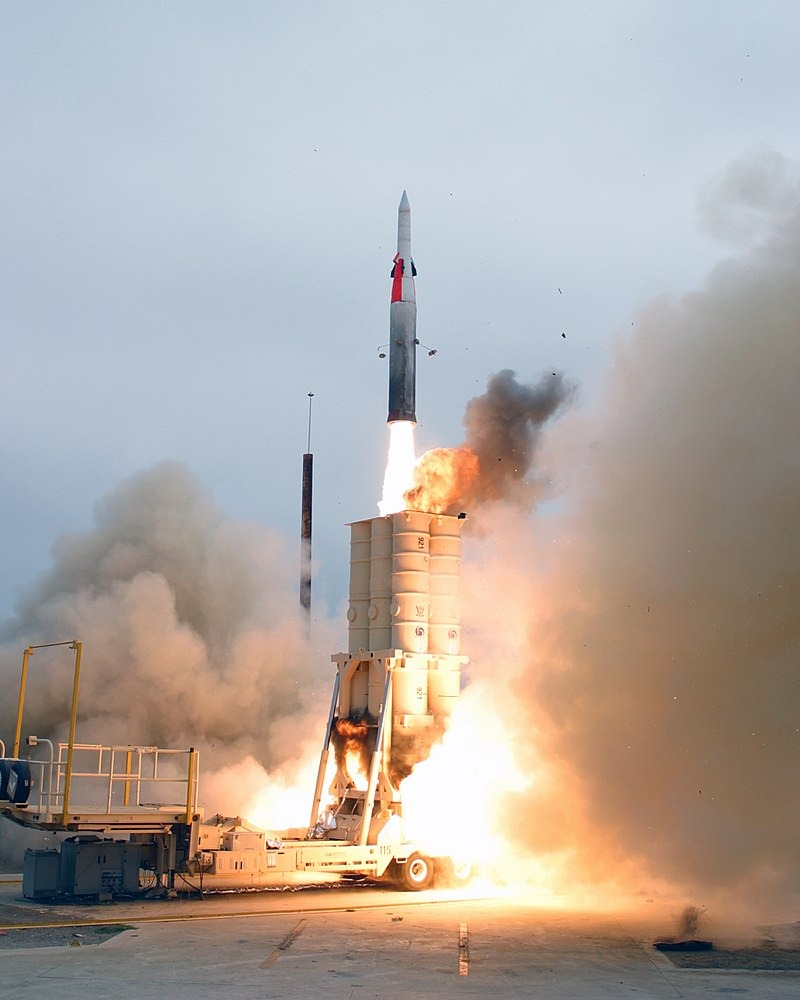
The fact that these advanced technologies are not visible to the naked eye does not mean they do not exist. The presence of autonomous robots, tanks, armored vehicles, and aircraft waiting in underground bunkers is still being kept secret.
It is unimaginable for Israel’s naval frigates of the SAAR 4.5, SAAR 5, and SAAR 6 classes to match the strength of our country’s navy. Although they may appear to possess advanced technology, their intended use is very different. As a retired member of the Naval Forces Command with 15 years of service, I participated in numerous missions in the Eastern Mediterranean, particularly off the coasts of Lebanon and Cyprus. I have seen warships from many different countries but never once have I encountered an Israeli warship.
Rather than calling them a true navy, it would be more accurate to describe them as a coastal force equipped with machine guns primarily used for coastal security and enforcing the blockade on Palestinian territories, especially when considering the SAAR-class frigates.
Israel, which derives much of its striking power from the Iron Dome system, operates in various regions due to its low population and mandatory military service system. A person may serve in the army one day, the air force the next, and then in the navy. Unlike our proud Turkish Armed Forces, they do not have a structured system to train and raise their own professional personnel. Their existing military system is also limited. The population is mostly made up of elderly individuals, and historically, they are considered to have descended from Kipchak Turks. The ancestral homeland of the Kipchak Turks is Ukraine.
Our navy has partially deployed to the north of the island of Cyprus and the Gazimağusa (Famagusta) region as a precaution against potential developments. It is more likely that our country is not under an explicit threat. However, the island of Cyprus can be described as a vulnerable point for us. For this reason, Hisar-A low-altitude air defense missiles have also been deployed in the region. Additionally, our Gabya-class frigates, whose primary mission is air defense, have been stationed in the area. Given the current Israeli military logic, the likelihood of encountering SAAR-class ships remains very low.
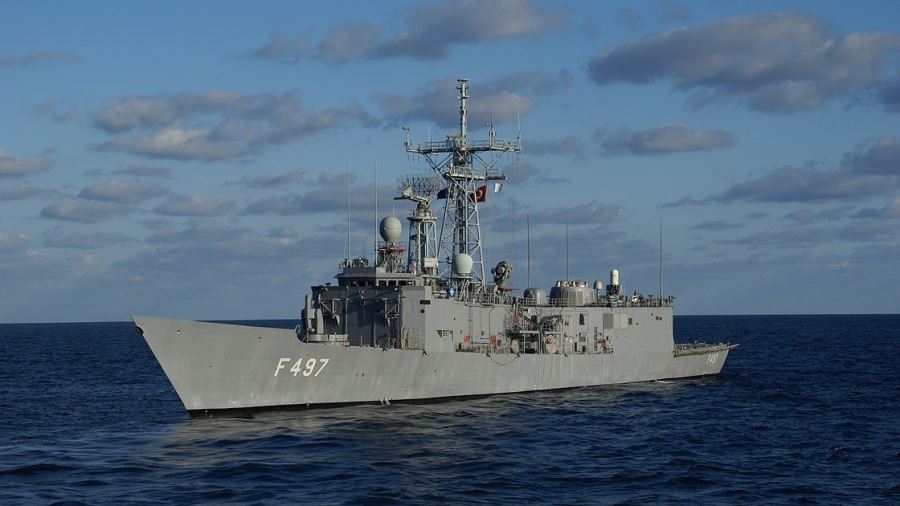
The key question here is: why do SAAR-class frigates exist? SAAR frigates are warships that operate in coordination with the AI-supported Iron Dome system, providing air defense support. Similar to land-based Arrow missile batteries, the primary mission of SAAR frigates is to provide defense against external aerial threats to Israeli settlements. Due to their limited ammunition capacity, they can only be used in restricted operations. When the air defense missiles onboard are depleted, reloading them at the port takes a considerable amount of time, especially because the Israeli military lacks a sufficiently professional and experienced crew.
In the event of a possible conflict, the Turkish Naval Forces are fully prepared for any scenario thanks to many years of tactical training and exercises. Through operations in Somalia, NATO missions, and many nationally confidential areas, our Navy has not only reached a sufficient level but has also gained extensive experience. Backed by the strength of our defense industry, our Naval Forces have reached a level through modernization where they can comfortably protect our country.
In addition to our Gabya-class frigates, which are fully capable of defending themselves with air defense missiles in the event of an attack, we also have Hisar-A class air defense missiles deployed in the region. Furthermore, our F-16 fighter jets based in Adana, Konya, and Eskişehir can reach the area within 5 to 20 minutes, depending on the distance. Our fighter jets can also intercept and destroy missiles in flight. Before the arrival of the S-400 air defense missiles, our air superiority doctrine already relied on fighter jets to intercept missile threats. These are considered classic defense methods.
With the deployment of the indigenous KORAL electronic warfare system in the Mersin or Adana region, our ships and aircraft can become invisible to radar detection. Our Gabya-class frigates can approach Israel comfortably until they are visible to the naked eye. Our aircraft cannot be detected by the Iron Dome. By using techniques such as multi-target deception and sectoral radar blinding methods successfully used during previous operations in Syria the Iron Dome system can be bypassed with high success through the advanced capabilities of the KORAL system.
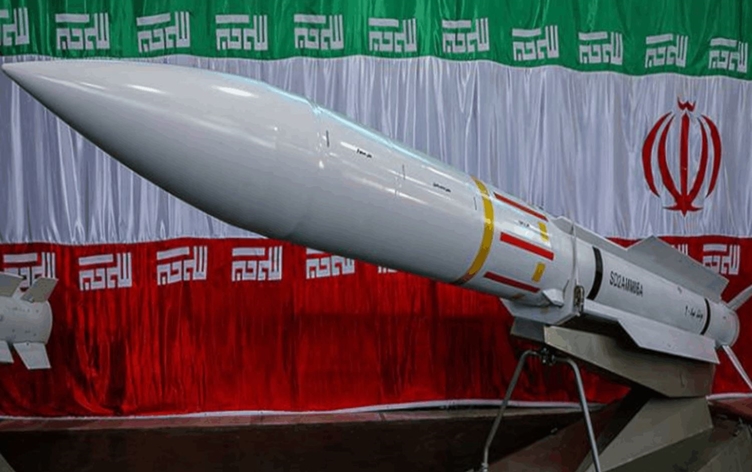
Ballistic missiles travel long distances by cruising through altitudes known as the space vacuum zones where gravity is minimal and atmospheric conditions do not affect the missile. Because they approach the target from high altitudes, under current conditions, the chance of them going undetected is very low. The fact that hypersonic-speed missiles can partially evade detection by the AI-supported Iron Dome system is, to some extent, a matter of chance.
Due to the recent barrage of intense ballistic missile attacks, the depletion of Arrow missiles has become a growing threat. Since the production of Arrow air defense missiles takes a long time, reloading them also requires significant time. The system is not sufficient to withstand sustained air assaults for weeks or months. Ultimately, since the missile reloading process is still done manually by humans, it remains a system that is dependent albeit partially on artificial intelligence.
Under current conditions, it is unimaginable for Israel to compete militarily with Turkey. The only possible option might be nuclear weapons; however, if the global positioning system (GPS) is jammed, launched nuclear missiles can be redirected mid-air to fall anywhere we choose.
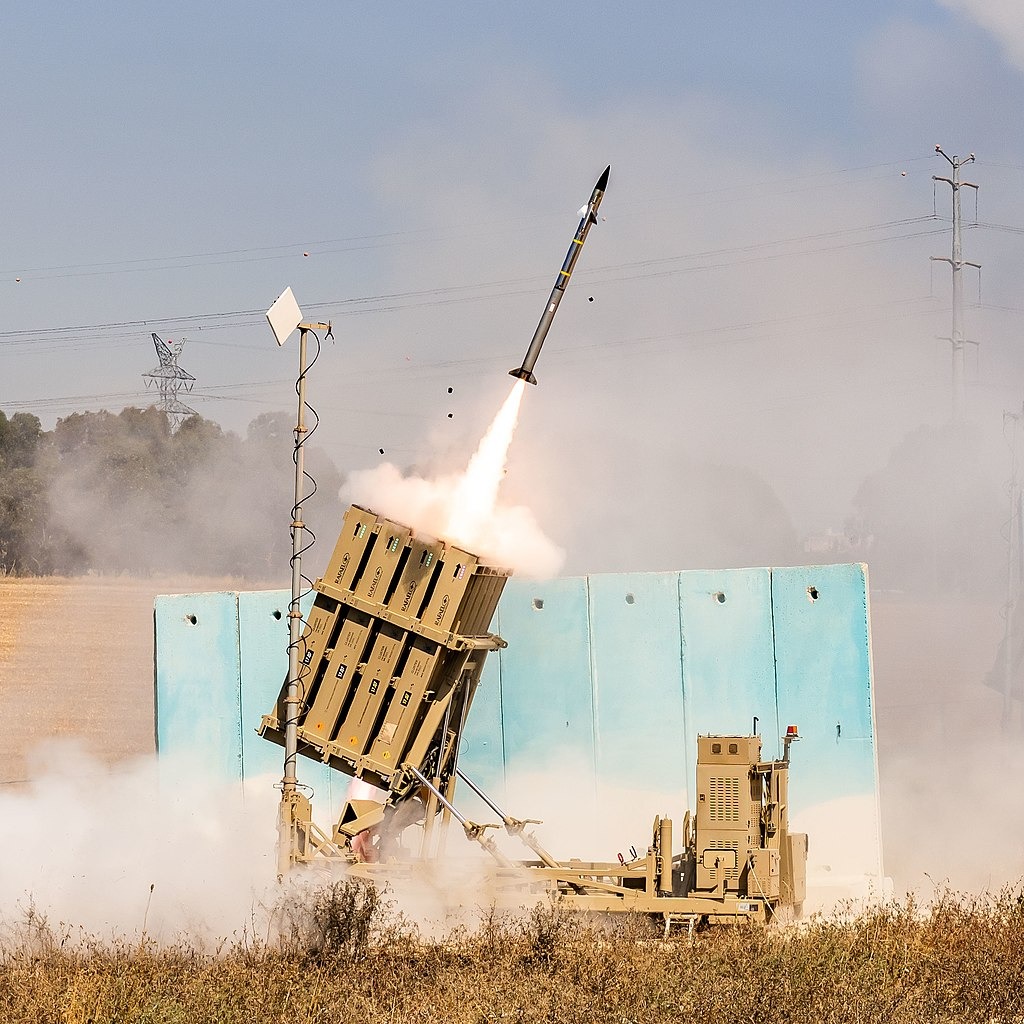
Unless it receives major external support in the near future, it does not seem likely that Israel can withstand Iran on its own. For this reason, the regional intervention of the United States may come into play, as it has already deployed numerous tanker aircraft and three aircraft carriers to ensure that its jets operating in the Middle East can remain airborne.
Even in this case, I do not consider it to pose a direct threat to our country. When we already hold the solutions to all possible scenarios in our hands, what we need to learn is not to be afraid. Just as we have trusted the Turkish Armed Forces for years, today we must trust them even more. The strength we need already exists in the noble blood running through our veins. And we must also believe in ourselves.
In response to the Iron Dome system, the Steel Dome system jointly developed by some of our country’s largest companies will soon play a significant role in protecting our nation by providing multi-layered defense. Our domestically developed Steel Dome, which incorporates national systems such as Hisar missiles and Korkut air defense weapons, is designed to be modular and open to continuous development. Additional weapons and sensors can be integrated into the system as needed.
Operating on the same core principle as the Iron Dome, the Steel Dome will stand out as a more comprehensive system thanks to its capacity to host a wider variety of weapons and sensors. When combined with the knowledge and experience of the personnel of the Turkish Armed Forces, its primary mission will be to act as a powerful deterrent in national defense.
Writer: HÜSEYİN RAHMİ GİDER
