

Huntington Ingalls Industries (HII) has unveiled plans to establish a new production and testing facility to support Phase 2 of the U.S. Army’s Enduring High Energy Laser (E-HEL) program. Announced on September 30, the investment is designed to strengthen America’s position in the directed energy weapons sector and accelerate the deployment of next-generation battlefield systems.
The new center, part of HII’s Mission Technologies division, will feature specialized environments for power, thermal, and beam validation tests, simulating real-world conditions before field deployment. Supporting the Army’s Modular Open Systems Approach (MOSA), the facility will allow rapid upgrades, component swaps, and improved supply chain resilience—capabilities deemed vital as aerial threats expand and evolve.
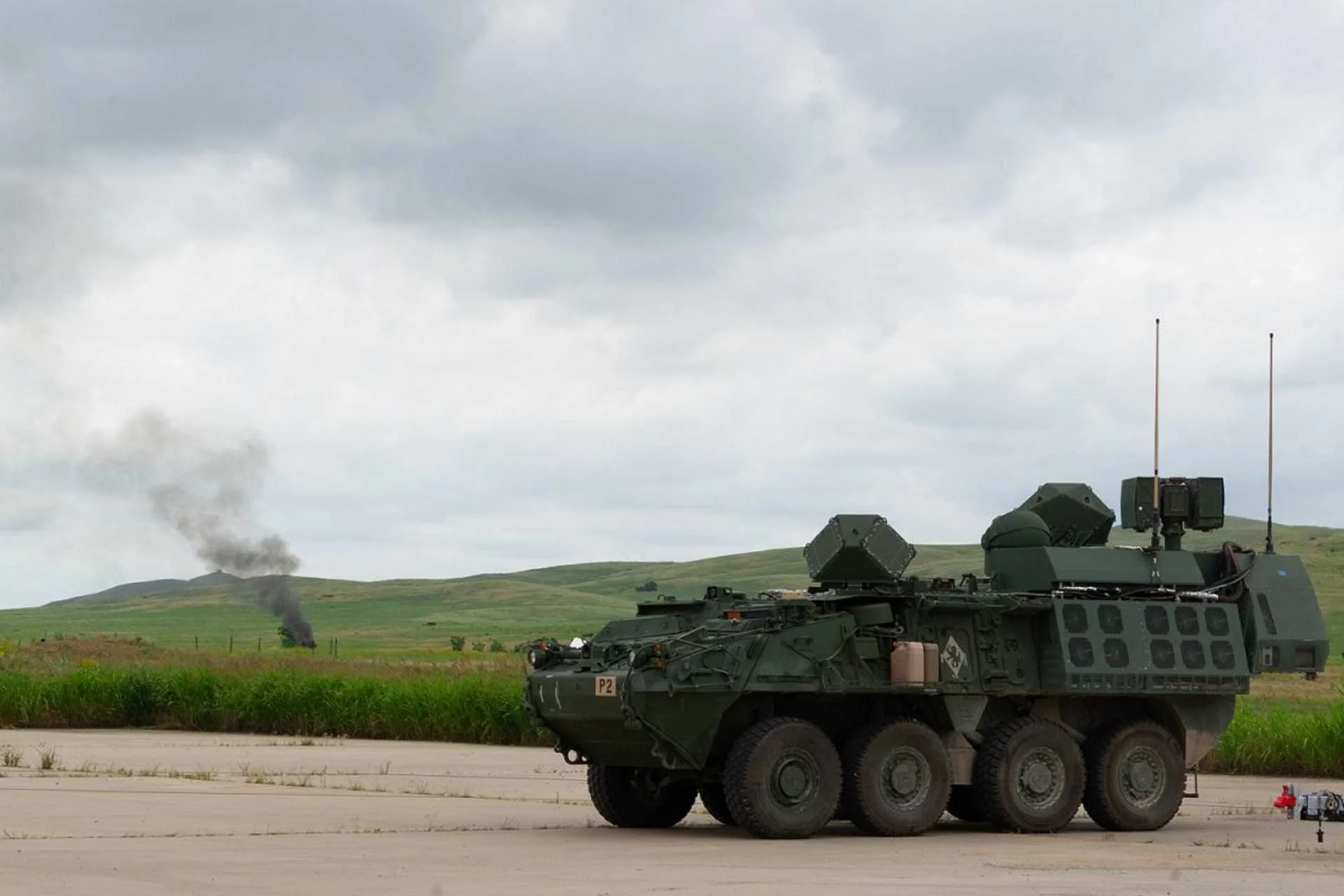
The E-HEL is a vehicle-mounted, high-energy laser weapon built to counter drones, loitering munitions, rockets, artillery, and mortar fire. Offering near-instant engagement at the speed of light, the system combines low per-shot cost with virtually unlimited firing capacity, limited only by onboard power generation.
This investment comes at a pivotal moment. Recent conflicts, particularly the war in Ukraine, have demonstrated the vulnerabilities of traditional missile-based air defenses against low-cost drones and saturation attacks. Laser weapons provide a scalable, cost-efficient alternative for protecting mobile units, forward bases, and strategic infrastructure.
HII’s facility is expected to begin low-rate initial production by mid-2026, aligning with Pentagon priorities to field HEL units in high-threat theaters such as the Indo-Pacific and CENTCOM regions. Beyond production, the site will serve as a key hub for testing and integration, ensuring operational readiness.
By stepping into the full-system integration and rapid deployment space, HII strengthens its role alongside major defense primes like Lockheed Martin and Northrop Grumman. For the U.S. Army, the message is clear: directed energy weapons are no longer experimental—they are becoming essential tools for modern warfare.
