

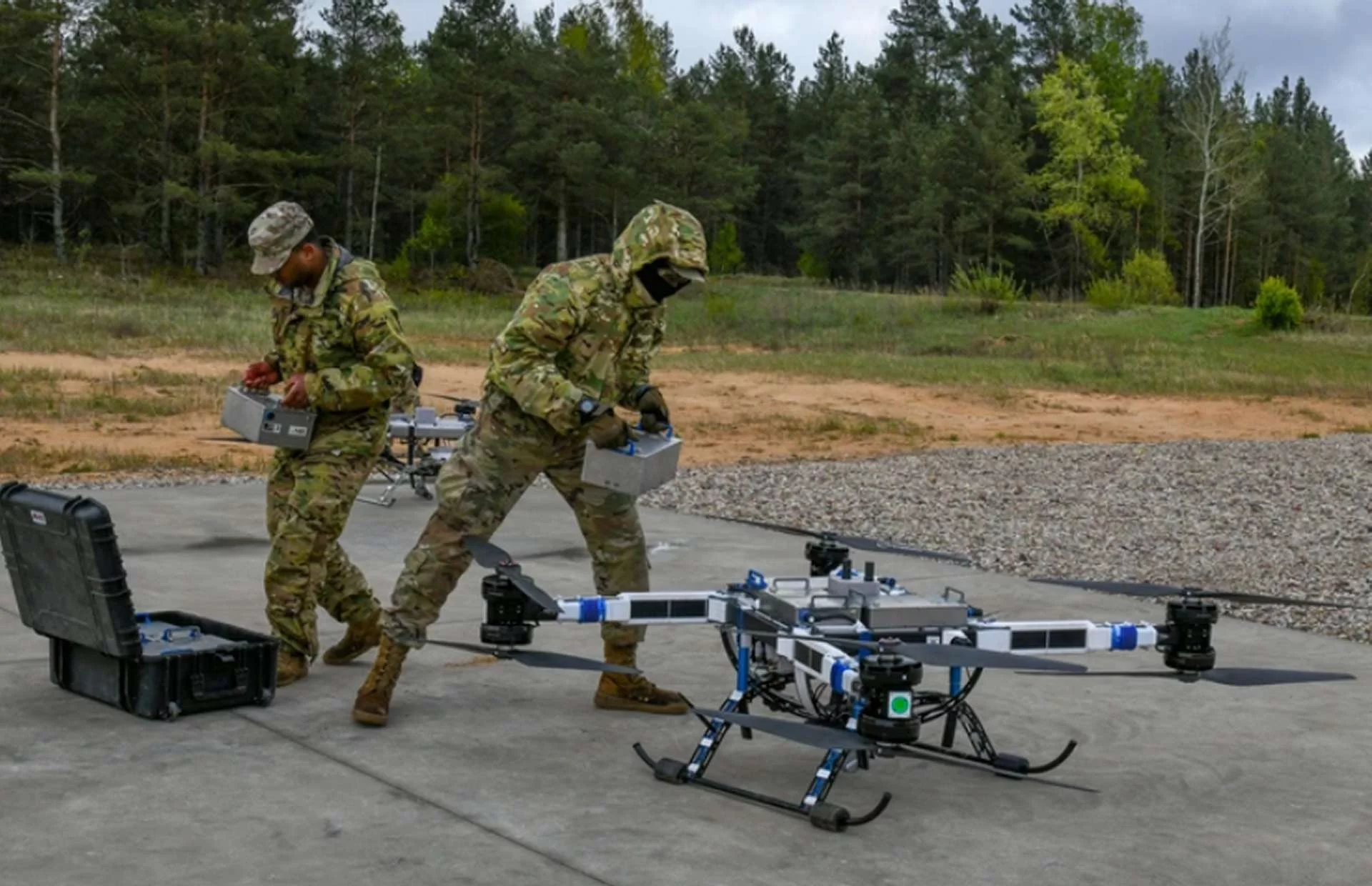
The U.S. Army is preparing to introduce a new internal procurement platform that will allow combat units to directly browse, select, and acquire unmanned aerial systems (UAS) suited to their mission requirements, according to DefenseScoop reports dated August 8, 2025. Scheduled to go live in early October, the so-called “drone marketplace” aims to cut through traditional acquisition bottlenecks and deliver operational drones to soldiers in weeks instead of months or years.
Colonel Danielle Medaglia, who heads the Army’s UAS program under the Program Executive Office for Aviation, described the initiative as a secure, pre-vetted catalog of American-made drones. Systems will be grouped into bronze, silver, and gold capability tiers—evaluated on factors such as range, endurance, payload capacity, and compliance with the National Defense Authorization Act. The platform will ensure only Pentagon-approved models are listed, giving commanders confidence in rapid procurement without lengthy review cycles.
The marketplace follows a directive by U.S. Defense Secretary Pete Hegseth under the “Unleashing U.S. Military Drone Dominance” policy, which calls for low-cost, AI-enabled, expendable drones to be fielded in every squad by the end of 2026. The move is part of a broader Pentagon effort to fast-track emerging technologies in response to lessons from Ukraine, where mass-produced drones have reshaped combat tactics.
With this system, Army units will be able to select drones optimized for specific operational contexts—whether urban combat, border surveillance, maritime patrol, or high-altitude reconnaissance—and adjust fleets as threats evolve. The competitive, open-catalog approach is expected to boost innovation among U.S. defense firms, particularly small and mid-sized suppliers, by providing direct access to military buyers without the bureaucratic hurdles of legacy contracts.
Still, the decentralized nature of the program presents challenges, including potential interoperability gaps and varied maintenance needs. To counter this, the Army will enforce standardized performance benchmarks, provide logistics support packages, and maintain oversight to ensure doctrinal compatibility. While specific drone models remain undisclosed, analysts expect offerings to range from small quadcopters for close-range ISR to long-endurance fixed-wing UAVs capable of precision strikes, many with AI-assisted navigation, encrypted communications, and anti-jamming features.
Drawing parallels to Ukraine’s Brave1Market system—which now lists over 1,000 unmanned and robotic platforms—the U.S. Army’s marketplace aims to shorten innovation cycles, keep pace with battlefield realities, and guarantee soldiers near-instant access to cutting-edge unmanned capabilities.
