

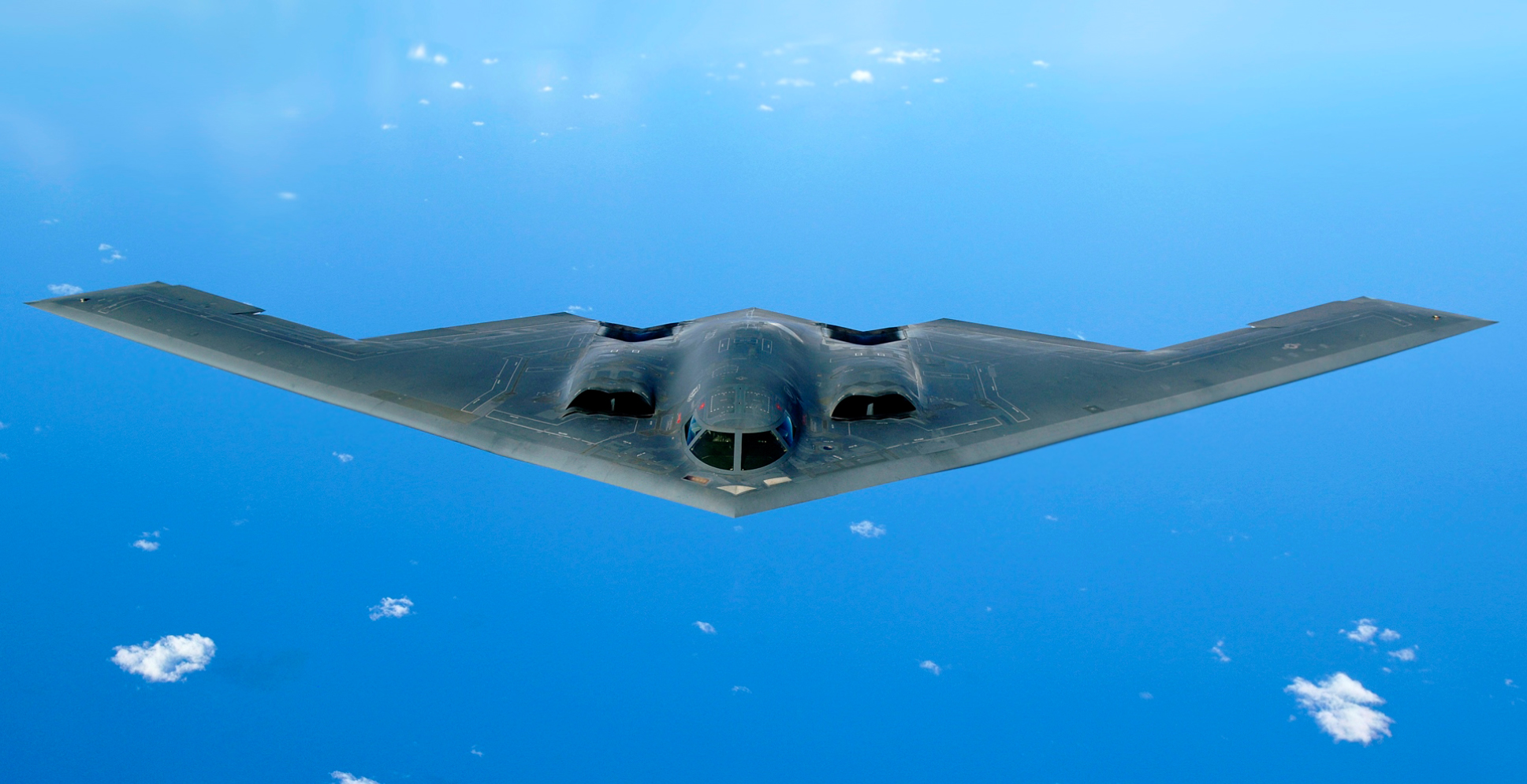
In a highly coordinated and covert operation, U.S. forces launched a decisive strike targeting Iran’s key underground nuclear sites, delivering what military officials describe as a crippling blow to Tehran’s uranium enrichment capabilities.
The mission, code-named Operation Midnight Hammer, involved stealth bombers and submarine-launched cruise missiles, marking one of the most sophisticated and secretive aerial attacks in recent history. The strike was designed to achieve maximum impact while maintaining complete tactical surprise over the course of several hours.
Stealth and Surprise at the Core
B-2 Spirit stealth bombers, originating from Whiteman Air Force Base in Missouri, carried out the bulk of the aerial bombardment. Equipped with the unprecedented GBU-57 “bunker buster” bombs each weighing approximately 30,000 pounds and engineered to penetrate deep underground before detonating these aircraft flew an 18-hour mission with multiple in-flight refuelings and fighter jet escorts. The stealth bombers successfully avoided detection by Iranian radar and air defenses.
Simultaneously, a U.S. Navy submarine launched over two dozen Tomahawk cruise missiles targeting additional facilities, including a key uranium preparation site near Isfahan. The combined strikes focused on the deeply fortified uranium enrichment plants at Fordo and Natanz, widely considered central to Iran’s nuclear ambitions.
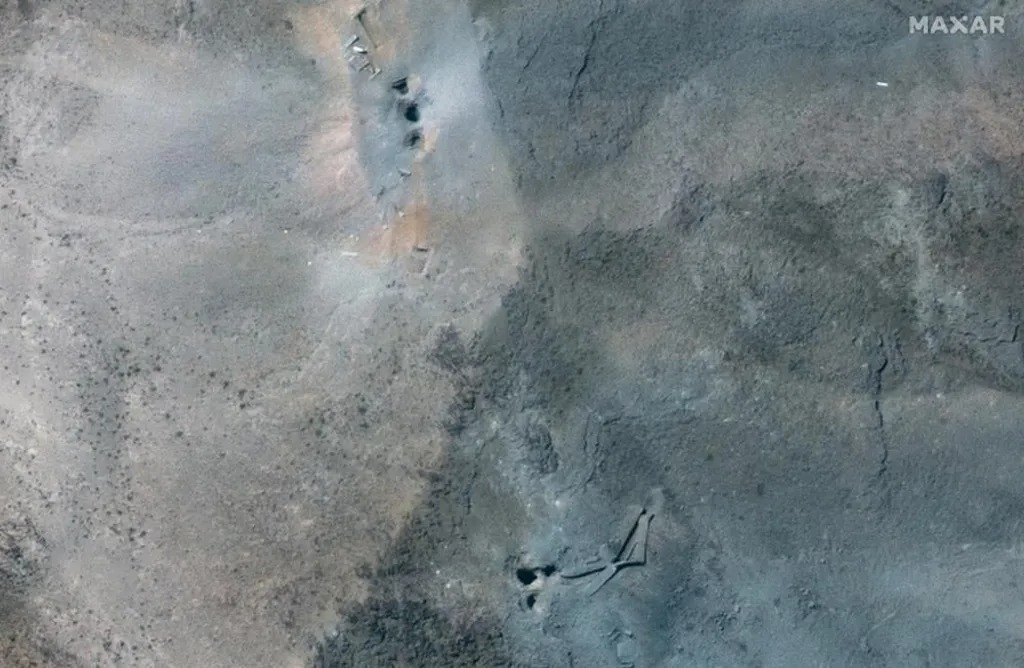
Deceptive Maneuvers Enhance Operational Security
In the days leading up to the strike, the U.S. employed a series of deliberate misdirection tactics. Public statements suggested a longer timeline for decision-making, buying cover for operational preparations. Decoy B-2 bombers were dispatched along a different route to divert attention, while the actual strike force maintained radio silence and a separate flight path.
According to senior military officials, only a select group of planners and top commanders were fully aware of the mission’s specifics, underscoring the sensitive nature of the operation.
Immediate Aftermath and Reactions
Despite the precision of the attack, Iranian authorities quickly dismissed claims of significant damage and vowed retaliation. International monitoring agencies have yet to report any signs of radioactive leaks or environmental contamination from the sites targeted.
The U.S. Secretary of Defense emphasized the historic nature of the mission, highlighting it as the largest B-2 bomber strike to date and one of the longest stealth bomber sorties in history, second only to operations conducted in the aftermath of September 11, 2001.
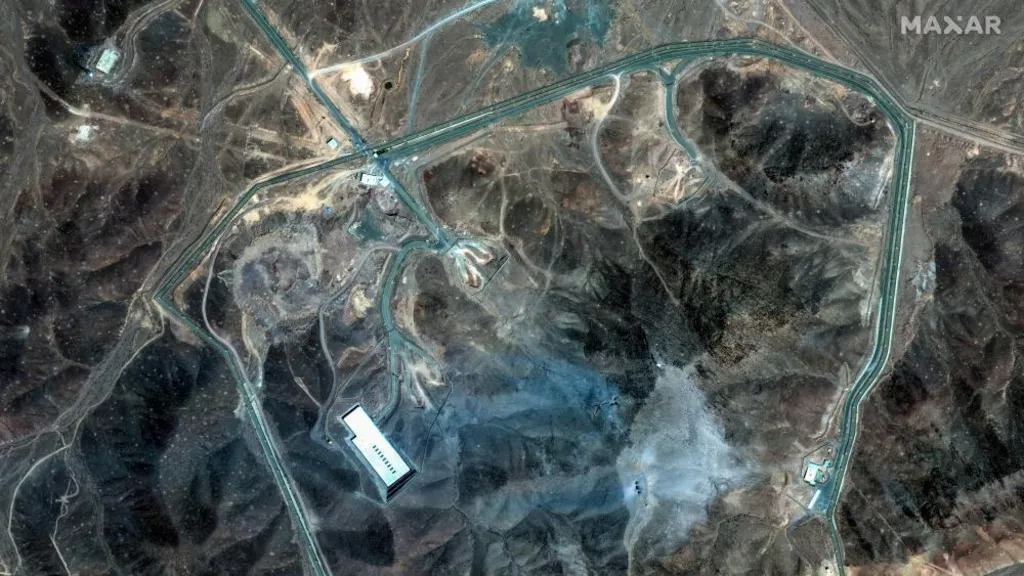
By the Numbers
- Approximately 75 precision-guided munitions were deployed, including 14 bunker-busting bombs and dozens of cruise missiles.
- Over 125 aircraft, including stealth bombers, fighter escorts, and refueling tankers, participated in the mission.
- The operation’s complexity required meticulous planning and coordination across multiple military branches.
The successful execution of Operation Midnight Hammer underscores the U.S. commitment to disrupting nuclear proliferation in volatile regions while minimizing collateral risks and avoiding escalation.
